E-Paper


What is Trump’s USPS mail-in ballot rule? Court battle over election policy explained
The Trump administration's USPS policy on mail-in ballots is facing legal challenges.

 Prefer HTon Google


A legal battle is underway over the Trump administration’s proposed changes to how the US Postal Service (USPS) handles mail-in and absentee ballots, after a federal appeals court allowed parts of the policy process to continue while broader challenges remain unresolved.
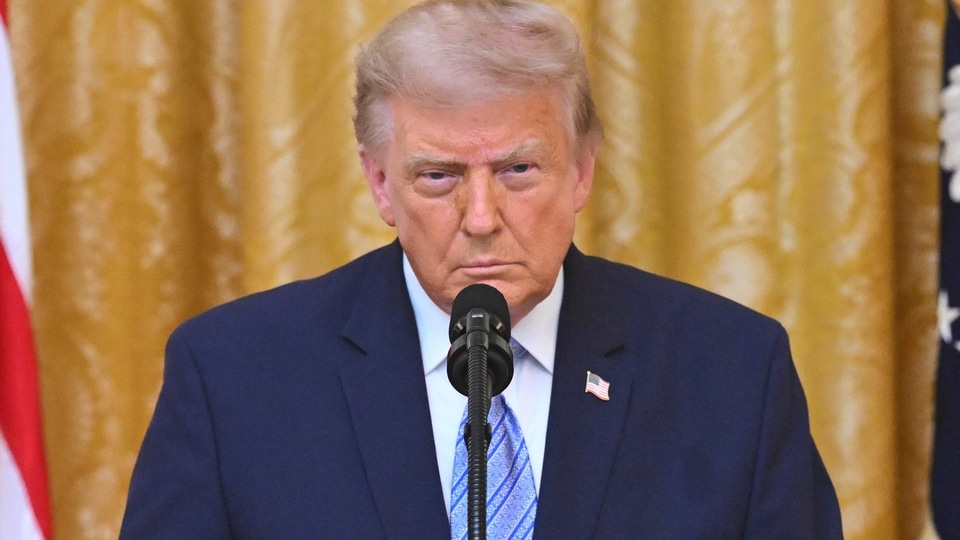
The ruling by a three-judge panel of the US Court of Appeals for the D.C. Circuit temporarily lifted a lower court order that had blocked USPS from moving ahead with proposed changes related to election mail, The Hill reported.
However, the decision does not fully reinstate the Trump administration’s policy. A separate federal court order continues to prevent the administration from implementing the broader executive order behind the changes.
What is Trump’s USPS mail-in ballot rule?
The policy stems from a March executive order issued by President Donald Trump that directed USPS to develop a rule allowing restrictions on the delivery of mail-in and absentee ballots from states that do not provide certain voter information to the federal government.
The proposed changes would require states to provide eligible voter lists and related information to federal authorities before USPS delivers certain election-related mail.
Postmaster General David Steiner previously defended the move, telling lawmakers it was intended to ensure that “the right ballots are going to the right people.”
Trump and his allies have repeatedly raised concerns about mail-in voting and alleged voter fraud, though widespread fraud through mail ballots has not been supported by evidence.
Why did the appeals court allow the USPS changes to move forward?
The DC Circuit panel found that USPS had made a “strong showing that they will likely succeed” in arguing that the proposed rule was not ready for judicial review and did not violate a previous agreement with the NAACP.
The judges also said USPS could face “irreparable harm” if it was unable to finalize and implement the rule before the November elections, writing that “there can be no do over” after an election takes place.
The ruling represents a temporary legal win for the Trump administration, but it does not settle whether the policy can ultimately take effect.
Why is Trump’s USPS ballot policy facing legal challenges?
The NAACP sued the administration in June, arguing that the proposed USPS changes violated a 2021 settlement agreement requiring the Postal Service to prioritize monitoring and timely delivery of election mail through 2028.
A lower court previously sided with the group. District Judge Emmet G. Sullivan said Trump’s order was “designed to exert federal control over who in the United States may be sent a mail-in or absentee ballot in federal elections by the Postal Service.”
The administration has also faced a separate legal setback. Federal Judge Indira Talwani in Boston blocked the executive order in nearly two dozen states, ruling that it interfered with states’ constitutional authority to oversee elections and that certain voter roll-related provisions were unconstitutional.
The USPS policy remains tied up in ongoing litigation, with courts still weighing whether the administration can move forward with the proposed changes.