
 E-Paper



US running out of wartime as Iran engineers a global energy crisis
Iran is deliberately expanding the war to Sunni Gulf countries, and engineering a global energy crisis, so that US President Donald Trump backs down.

 Prefer HTon Google


The US-Israel-Iran war has entered 11th day with the Shia theocratic state showing no signs of depleted ballistic missile or kamikaze drone arsenal as the IRGC continues to target US interests in Middle-East, Israel and the Gulf countries with reasonable accuracy and disturbing frequency.
Track Live Updates on the US-Iran war here
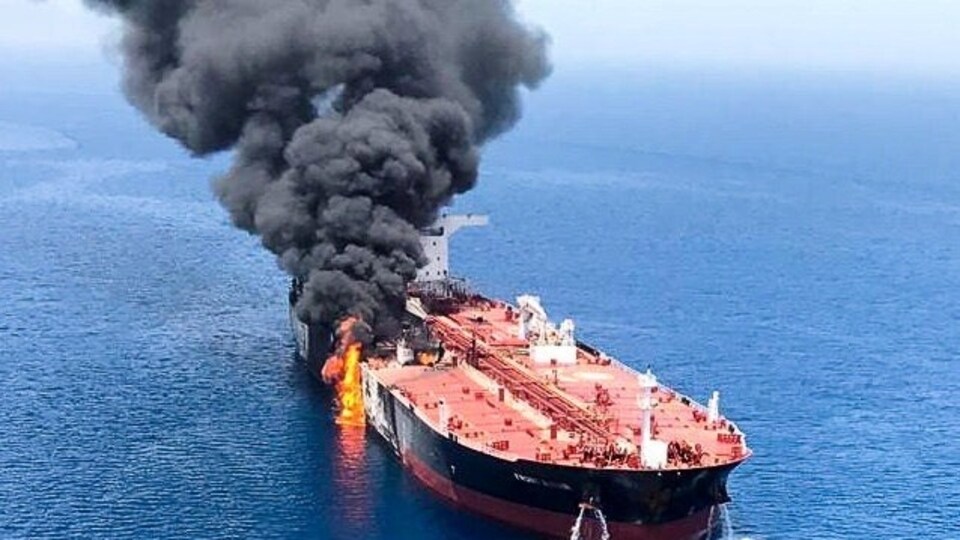
Using low cost drones (as cheap as $35,000) Iran has ensured that US and its Gulf allies are seriously losing money as millions of dollar worth missiles are being fired in numbers to take out Iranian kamikaze drones and medium-short range ballistic missiles. That the Iranian missile-drone arsenal has not been exhausted as yet clearly shows that the Shia state was prepared for war by building a huge inventory of conventional ballistic missiles apart from Shahed 136 drones. The use of such a stand-off weapon has ensured that the US Gulf allies feel the pain as well as the world faces a serious energy crisis with the Strait of Hormuz closed to oil traffic and on Iranian cross-hairs.
In many ways, the ongoing high-intensity conflict has virtually changed the concept of war with Operation Sindoor being a precursor of the new-age war doctrine. The use of only stand-off weapons, long range delivery systems and anti-missile defence has made this into a no contact war with targets being identified by human intelligence even before the first missile was fired into Tehran on February 28.
While the war showcases the advanced technologies of US and Israel, it is also a lesson in self-reliance for other aspiring powers as they cannot depend on a third country to keep an inexhaustible supply chain of hardware going in the worst case scenario. The war is also a lesson for Indian defence PSUs and the armed forces, who must shake off their complacency as of yesterday as even a sanctioned country like Iran has been able to develop long range stand-off weapons through reverse engineering Chinese/Russian missiles and drones. Does the DRDO have any drone that matches the low cost Shahed 136 kamikaze drone of Iran? Such is the efficacy of the Iranian drone that it was reverse engineered by the US to take the drone battle to Iran. Same is the case of Iranian conventional ballistic missiles. Not only have the Iranians managed to mass produce missile motors, missile fuel but also have been able to equip their delivery systems with GPS for precise delivery. Even after 11 days of punishing US-Israel strikes, the command and control of the Iranian hardline regime is still functioning and firing missiles with a battle plan in mind.
Rather than target US or Israel specifically, Iran is deliberately expanding the war to Sunni Gulf countries and engineering a global energy crisis so that US President Donald Trump backs down under international and domestic pressure. The engineered energy crisis will not only shorten the war but also ensure the survival of the Mullah regime in Iran.
As a legatee of the erstwhile Persian Empire, Iran is a civilizational state with an illustrious track record going back thousands of years. Given that the theocratic regime has been in power since the 1979 revolution, it will be difficult for the US to engineer insurrection within Iran as its residents have largely been radicalized using Palestine as a motif against both US and Israel over the past 45 years. Hence the population will come together in times such as these. President Trump’s ambition of a regime change in Iran after decimation of IRGC war infrastructure but without troops on ground seems rather far-fetched at the moment.


