
 E-Paper



What’s causing Pakistan’s internet slowdown? Submarine cable damage, India blamed too
Internet slowdown in Pakistan: The problem has affected millions of users, disrupting businesses and drawing nationwide complaints.

 Prefer HTon Google


Pakistan has been grappling with a slowdown in internet speeds, which has sparked widespread frustration among users and allegations of the installation of a national firewall.
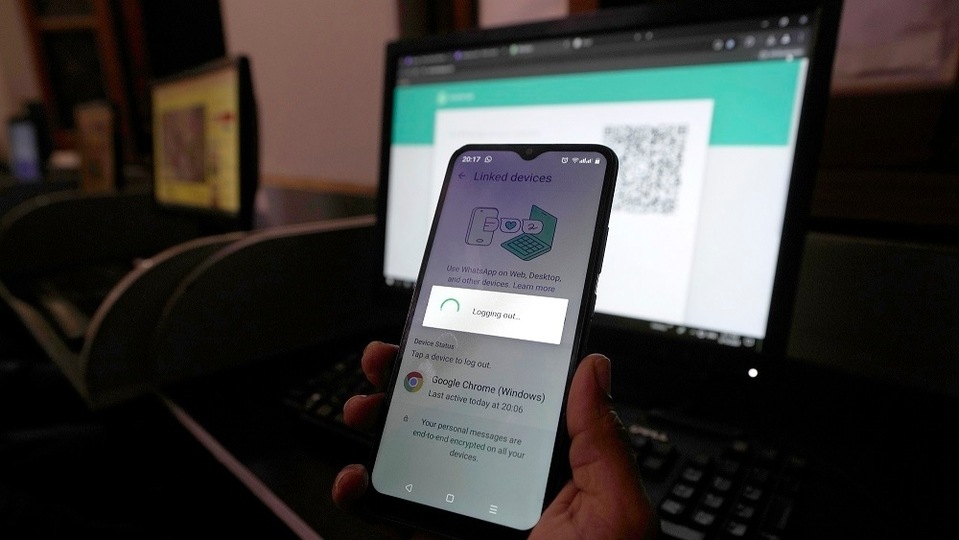
Over the past few weeks, users have reported trouble sending and downloading media files and voice notes through messaging apps like WhatsApp, even when connected to broadband networks. The slowdown has also impacted businesses that rely on stable internet connections to communicate with international clients and manage operations.
The Pakistan Software House Association, which represents the country's IT sector, has warned that the internet issues could cost the fragile economy up to $300 million.
The association also raised concerns that the government might be hastily implementing a national firewall, potentially causing these slowdowns—a claim the Pakistan Telecommunication Authority (PTA) has categorically denied.
PTA blames faulty submarine cable
On Wednesday, the country's telecom authority attributed the slowdown to a faulty submarine cable. In a meeting with the National Assembly’s Standing Committee on IT, PTA chairman Retired Major General Hafeezur Rehman said the internet slowdown was primarily due to damage to one of the submarine cables (SMW4), reported Dawn.com.
Rehman assured the committee that the cable was expected to be repaired by August 28, after which normal internet speeds should resume.
Read: Inside PIA: Pakistani man takes ‘one of the most dangerous flights in the world'
On the allegations regarding the installation of a firewall, Rehman said that the government was only upgrading its web management system to bolster cybersecurity, not throttling the internet as some had speculated.
“You have been asked a direct question,” PPP Senator Sharmila Farooqi said to the PTA chief. “Has a firewall been installed or not?”
Rehman said the PTA had no role in the internet slowdown and attributed it to technical issues, reported Dawn.
“Every country, including Afghanistan, has its own system,” he said.
India blamed too
Meanwhile, the Lahore High Court (LHC) has demanded a more detailed and clause-wise explanation from the federal government regarding the ongoing internet slowdown in Pakistan, following the submission of a report by the PTA. The report outlined four primary reasons for the significant drop in internet speeds across the country. However, the court found the explanations unsatisfactory and requested a more comprehensive response in the next session.
Apart from the damage to one of Pakistan's submarine cables, the report cited a major misconfiguration by a leading internet service provider (ISP) on July 31. This error led to a 70% drop in internet services nationwide, prompting the PTA to take stern action against the ISP, according to the report.
The PTA noted that the increased use of virtual private networks (VPNs) contributed to the slowdown. The report explained that VPNs, due to their encryption, tunneling, and extended data routing, naturally cause slower internet speeds.
The telecom authority also reported a severe degradation of around 1.5 Tbps in internet traffic on August 15, and linked it to Indian state actors, claiming that they had been active over the past few years on national days to “degrade internet services or deface government websites”.
India is yet to respond to the unsubstantiated claims.


