
 E-Paper



World Braille Day today: Read about its origin and importance
World Braille Day is celebrated on 4th January, serving as a symbol of honour for the Braille system that has helped educate the visually impaired since several decades.

 Prefer HTon Google


January 4 every year is internationally observed as World Braille Day to commemorate the birthday of French educator Louis Braille. Reading and writing are important foundations for a person’s educational development, however, the visually impaired face marked difficulty on these grounds.
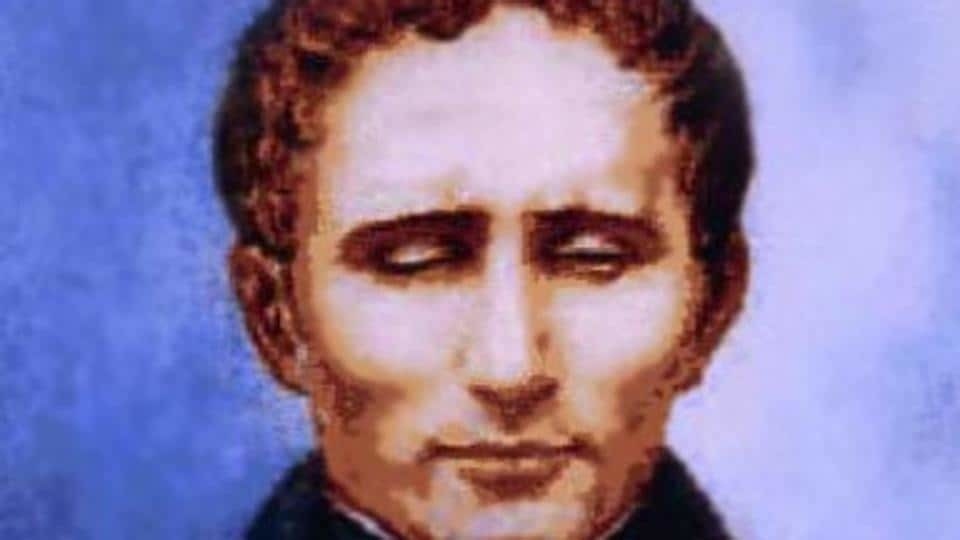
Braille is a system created by Louis Braille, who used a sensory military code called night writing developed by Charles Barbier, to create words that a blind person can decipher by touching.
Also Read | A visit that opened our eyes, moved us, left us speechless
Origin
Louis Braille was blinded at the age of three after an incident involving a stitching awl. He accidentally stabbed himself in the eye while poking leather with the awl. He lost his sight after the infection spread to both pupils.
Importance
- The Braille system is included in the Convention on the Rights of Persons and Disabilities.
- There are Braille codes in 133 languages, as per the third edition of World Braille Usage.
- Though Braille is not a language, it is a system of tactile symbols, consisting of raised dots organised in cells. This cell has a matrix of three rows and two columns.
- The UN website states, “World Braille Day, celebrated since 2019, is observed to raise awareness of the importance of Braille as a means of communication in the full realization of the human rights for blind and partially sighted people."


