
 E-Paper



Zero-Covid policy: Curbs in Shanghai over 3 cases
Beijing has largely succeeded in controlling the spread of the coronavirus within its borders through travel restrictions and snap lockdowns, but frequent domestic flare-ups have tested its no-tolerance strategy in recent months.

 Prefer HTon Google


Hundreds of flights were cancelled, some schools shut and tour groups suspended on Friday after three coronavirus cases were reported in Shanghai, as China continues its strict zero-Covid policy.
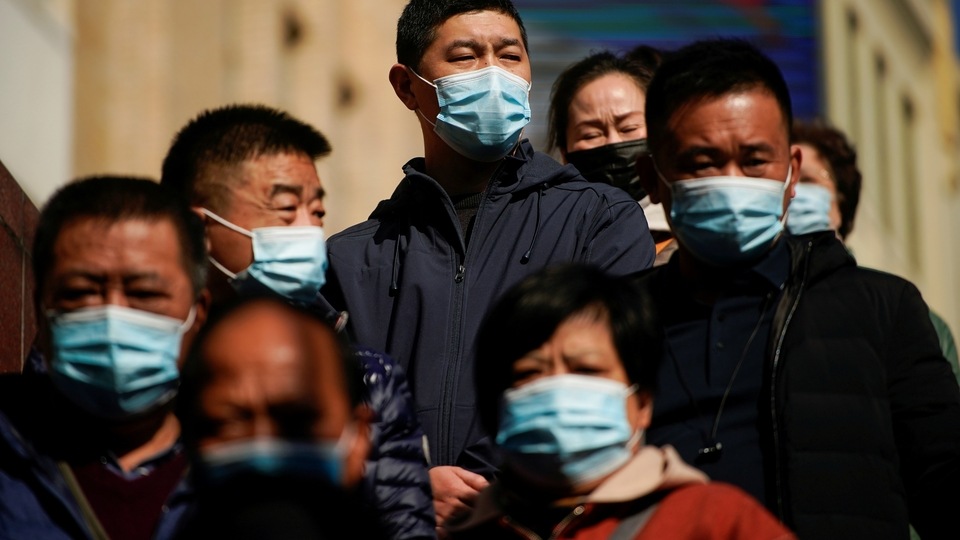
Beijing has largely succeeded in controlling the spread of the coronavirus within its borders through travel restrictions and snap lockdowns, but frequent domestic flare-ups have tested its no-tolerance strategy in recent months.
The three positive cases are friends who travelled to the nearby city of Suzhou together last week, Shanghai health authorities said at a press conference on Thursday evening - adding that all had been fully vaccinated.
Over 500 flights from Shanghai’s two major airports were cancelled on Friday, data from flight tracker VariFlight showed.
Czech President Milos Zeman returned to hospital hours after being released on Thursday as he tested positive for Covid-19.
The 77-year-old leftwinger was hospitalised on October 10 and treated for liver problems that doctors have suggested could be cirrhosis.
Merck’s pill shows lower efficacy in updated data
Merck said on Friday updated data from its study on its experimental Covid pill showed the drug was significantly less effective in cutting hospitalisations and deaths than previously reported.
The drugmaker said its pill showed a 30% reduction in hospitalisations and deaths, based on data from over 1,400 patients. In October, its data showed a roughly 50% efficacy, based on data from 775 patients.
Merck released the data before the US Food and Drug Administration published a set of documents on Friday intended to brief a panel of outside experts who will meet on Tuesday to discuss whether to recommend authorising the pill.
England’s R number rises, likely above 1
England’s Covid weekly reproduction “R” number has risen and is likely to be above one, with latest estimates showing it between 1.0 and 1.1, the UK Health Security Agency said on Friday. An R number between 1.0 and 1.1 means that for every 10 people infected, they will on average infect between 10 and 11 other people.


