
 E-Paper



Muharram 2017: Significance, rituals and history of this day of mourning and observance

 Prefer HTon Google


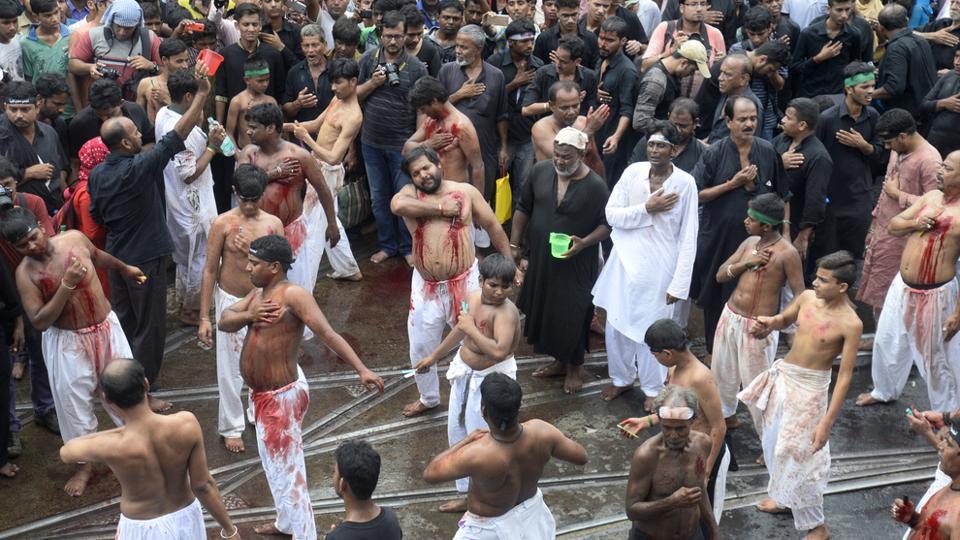
Unlike other festivals, Ashura is not a festival of joy but is a day of observance. Muslims observe the day by wearing black-coloured clothes and visit mosques and shrines.
Muharram is the first month of the Islamic calendar and is considered a sacred month. The tenth day, this year celebrated on October 1, is important as it is a day of observance and is called the day of ‘Ashura’. The word ‘Muharram’ is derived from ‘haram’, which means ‘forbidden’.
Unlike other festivals, Ashura is not a festival of joy but is a day of observance. Muslims observe the day by wearing black-coloured clothes and visit mosques and shrines. Ashura is observed differently by Shia and Sunni Muslims.
Significance of Muharram
Shia Muslims mourn the death of Hussain Ibn Ali, grandson of Prophet Muhammad and son of Ali from the battle of Karbala.He was killed in Karbala, a popular place of pilgrimage in Iraq. In the year 680, the battle of Karbala was responsible for the devastation of Imam Hussain, his family, and his followers. Till the end, he suffered for the good cause but finally he had to give up in front of the cruelty.
Sunni Muslims observe it as a victory of Moses over the Egyptian Pharaoh. Prophet Muhammad encouraged his followers to fast on Ashura and on the day before that — the ninth day, called Tasu’a.
Follow @htlifeandstyle for more.


