
 E-Paper



Parents concerned over scrapping of CBSE-I curriculum
The CBSE-I course was introduced in the academic year 2010-11 and had gained popularity among schools in the city, but the sudden decision to do away with it has hit the students hard.

 Prefer HTon Google


The Central Board of Secondary Education’s (CBSE’s) decision to scrap its international curriculum has evoked concerns among parents across the city. More than 700 students across the city were following CBSE-I (International curriculum) and with this sudden decision the parents are left with no other option but shift them to the normal CBSE board.
The CBSE-I course was introduced in the academic year 2010-11 and had gained popularity among schools in the city, but the sudden decision to do away with it has hit the students hard.
Parents said the course was a less expensive as compared to other international curricula. The International Baccalaureate (IB) and International General Certificate of Secondary Education courses offered in other schools are quite expensive and are designed mainly for students from elite backgrounds.
School principals only got to know of the scrapping on Thursday and said though are upset over the decision taken by the board, they have no option but to fall in line. The high points of the international curriculum were that it was more activity-based, offered more global exposure to students through internet study and there was less stress on book-based learning.
The parents voiced shock, dismay and alarm over the decision. “This is unfair. They are toying with the education system and risking the future of our children. Our children had grown familiar with the curriculum and we were happy with it. Now, either we have to shift our children to other schools that offer international curricula or return to the old CBSE curriculum,” Mamta Singh, a parent, said.
With the launch of CBSE-I in three Gurgaon schools in March 2013, the Board made a modern learning programme on the lines of the course offered by the Geneva-based International Education Foundation accessible to the students.
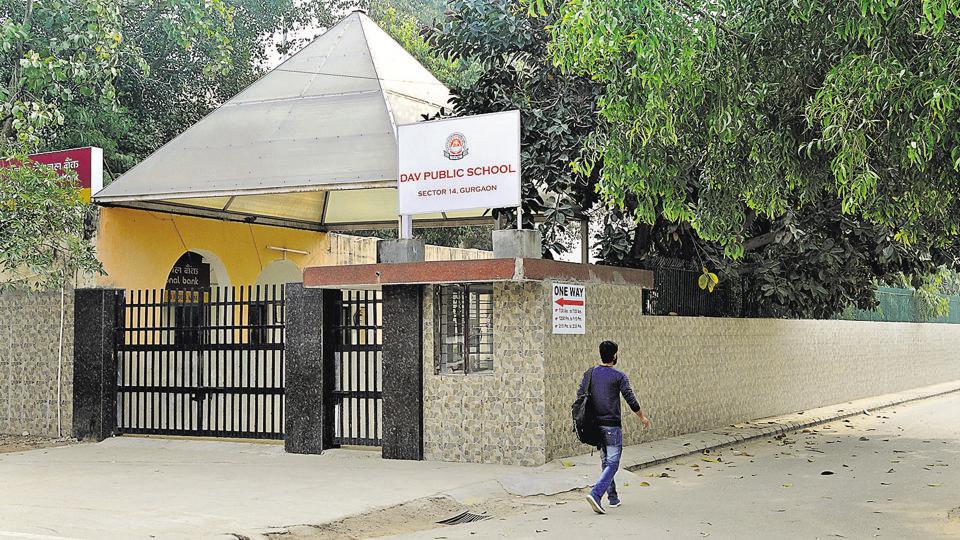
And the response was very positive. In the year 2013, nearly 40% students in DAV Public School, and Salwan Public School, along with another private school opted for CBSE-I.
Launched as a pilot project in 2010-’13, schools across Delhi-NCR were invited by the CBSE to adopt the new curriculum . According to the CBSE, the international curriculum was to be launched in all affiliated schools till Class 12 in a phased manner, but before it could extend to the sixth standard, it was scrapped.
“We are unhappy with the decision and the children are upset with having to revert to the old curriculum,” Namrata Baweja, a parent, said.
Electronic boards at some classrooms are of little use now and so are learning tools employed under the international curriculum. Even the teachers had undergone special training and had spent years on honing the new teaching methods.
The thought behind adapting to this curriculum, schools say, was the need for provide global exposure to Indian students.
“I am not happy it has been removed. We learned new technique of teaching and will use it in imparting lessons to children. In the age of globalisation, the need of the hour is dynamism in education,” Aparna Erry, principal, DAV public school, Sector 14, said.
These schools were part of curriculum designing since the project’s inception. It involved intensive counselling for both students and parents. Schools often conducted a briefing for parents of kindergarten and primary classes.
The schools had also held counselling sessions to motivate parents to have their children join this curriculum. They are now a worried lot.
“I understand that there will be a ‘comprehensive review of the pilot project’ on account of reasons mentioned like availability of quality reading material of global standard etc. The decision makes sense to me. I support the Board in this endeavour. As far as Salwan, Gurgaon, is concerned, we will ensure that the best teaching practices are made available to our students,” Sandhya Awasthi, principal, Salwan Public school, Sector 15, said.


