E-Paper



Activists seek MPs’ support to oppose govt’s bill on transgenders
Legislation was supposed to be the cornerstone of a new progressive image for the BJP but has allegedly been drastically altered.


Parliament’s winter session opened on Wednesday with a storm over the recall of high-value banknotes but away from the media spotlight India’s transgender community is fighting to scrap a bill that they say will harm them.
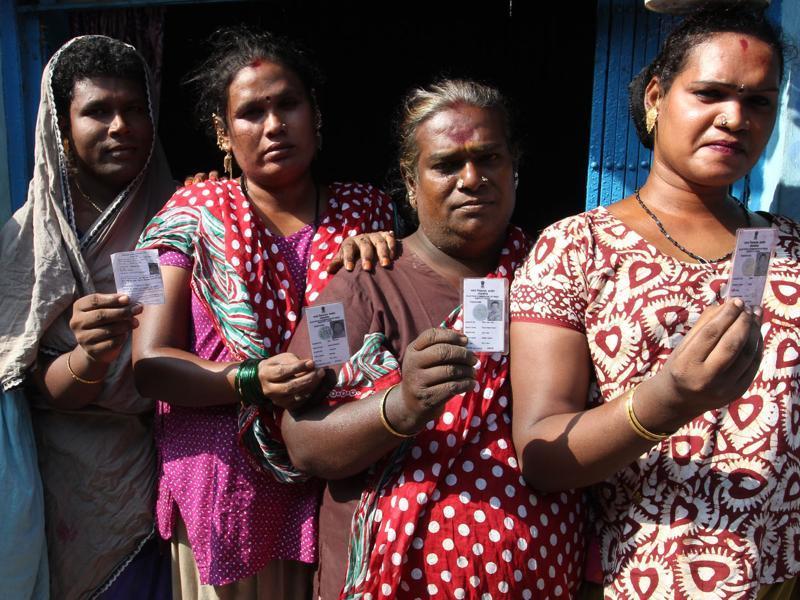
The Transgender Persons (Protection of Rights) Bill 2016 was approved by the cabinet earlier this year and tabled in Parliament by social justice minister Thaawar Chand Gehlot in the previous session.
The bill was supposed to be the cornerstone of a new progressive image for the BJP after a spate of controversies revolving around violence against minorities and Dalits.
But the script appears to have gone awry. Activists say the draft legislation dilutes key provisions of an earlier version of the bill and proposes provisions that undermine protections for transgender people and opens them to torture and abuse.
Activists in India are up in arms over the new transgender bill. Here’s why
Activists and Hijra leaders from across India are now meeting parliamentarians across party lines to push them to oppose the current bill that may come up in the winter session.
“The bill is draconian and regressive,” said Vyjayanti Vasanta Mogli, a transgender activist from Hyderabad. She and others are scheduled to meet Gehlot on Wednesday.
Many of them now want the government to revert to a private member’s bill by DMK’s Tiruchi Siva that was passed in the Rajya Sabha last year.
“The government has attempted to bring in a bill in place of my bill but their bill lacks the basic necessity required by the transgender community. The government should withdraw its bill and pass my bill,” said Siva.
Community leaders have also met with leaders from the Congress and other opposition parties to ask for their support in Parliament.
For them, the problems with the bill start right from the definition of transgender that is insulting and “excludes 99% of transgender people”, says Rachana, an activist.
The draft legislation also excludes provisions for transgender reservation – a key demand of the Supreme Court’s landmark Nalsa judgment in 2014 that that recognized the third gender and called for rights and measures for transpersons.
Government clears bill to protect rights of transgenders
But two provisions in particular have riled the community.
One, the bill replaces the right to self-identify gender with an elaborate structure for “certification” but community leaders say this will lead to gatekeeping, nepotism and further harassment.
“Government officials with no idea of trans issues will certify us as trans means that the right to self-declare gender as guaranteed by the Nalsa judgment is being eroded,” says Rachana.
The second is the criminalisation of begging – a traditional occupation of many transpeople who face bias in education and employment.
“This provision will be used to criminalise the traditional structure of mutual trans support and will decimate the community structure. Meanwhile, the community has no support or employment options due to social prejudice,” said Mogli.
The way forward, transgender leaders say, is to return to the old version of the bill and constitute an open consultation with members of the community
“We need to have legislation ensuring the name and gender on our educational and work experience certificates can be changed, otherwise it is impossible for us to get jobs and be recognised in our gender identity of choice. We need to get jobs,” said Santosh, an activist who uses a single name.