
 E-Paper





Follow the latest breaking news, major developments and agenda-setting stories from India and around the world with the newsdesk at Hindustan Times. Operating round the clock, the desk brings together experienced editors, reporters and correspondents to deliver fast, accurate and contextual reporting across subjects that influence public policy, governance, business, society and international affairs. The HT News Desk covers politics, elections, government policies, the economy, business and markets, science and technology, the environment, law and order, infrastructure, education, climate issues and geopolitics, while closely tracking developments across states, institutions and global capitals. The team also leads coverage of major breaking news events, policy announcements, court proceedings, natural disasters, public emergencies and significant international developments. Reports published by the newsdesk are based on information gathered from reporters on the ground, official statements, government agencies, court records, regulatory filings, recognised institutions and other authoritative sources. Stories undergo editorial scrutiny and verification processes to ensure accuracy, fairness and relevance, and are updated as events evolve and additional information becomes available. Whether covering a key political decision in New Delhi, an economic policy shift affecting millions, a landmark court ruling or a major global event, the HT News Desk aims to provide readers with reliable, fact-based journalism that delivers not only the latest developments but also the context and analysis needed to understand their wider implications.
UP govt to use NSA, Goondas Act to curb power theft, award informers
The Uttar Pradesh government has decided to slap the National Security Act (NSA) and Goondas Act against those obstructing in checking power thefts and award those who give information about such thefts.


The Uttar Pradesh government has decided to slap the National Security Act (NSA) and Goondas Act against those obstructing electricity department officials from discharging their duties in checking power thefts and award those who give information about such thefts.
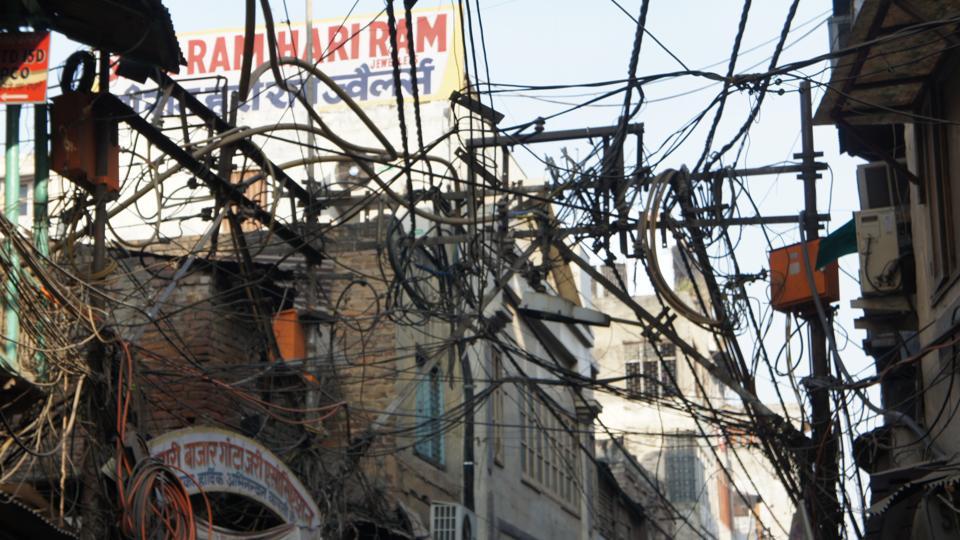
State Energy Minister Shrikant Sharma said honest customers suffer because of power theft and the government is committed to check the menace.
“National Security Act and Goondas Act will be slapped on those obstructing officials from discharging their duties while curbing electricity theft. Power theft is a national crime. We are in the process of setting up 75 ‘bijli thane’ (power police stations) for this,” he said here.
Under the stringent NSA, a person can be detained without bail or trial and the authorities need not disclose the grounds of detention if they believe the detainee can act in a way that poses a threat to the security of the state/country or the maintenance of public order.
The Goondas Act aims at a year-long preventive detention of habitual offenders. According to the law, a ‘goonda’ is a person who, either by himself or as a member or leader of a gang, habitually commits or attempts to commit or abets the commission of offences.
Meanwhile, in a bid to ensure adequate availability of electricity by minimising the line losses, the state Cabinet has given approval to the Protsahan Yojana (encouragement scheme).
“In this regard, provisions have been made that a person informing about power theft will be given 10 per cent of the compounding fee (realised from a person indulging in power theft) as protsaahan (encouragement).
“Similarly, 10 per cent of the compounding fee will also be given to the enforcement team,” the Uttar Pradesh Cabinet said in an official statement.
Sharma said the state government would follow the ‘Gujarat Model’ of power distribution and keep a check on pilferage and establish dedicated police stations in all 75 districts where cases of power theft would be taken up.
The tough ‘Gujarat Model’ envisages constitution of dedicated vigilance squads and setting up special police stations to check pilferage.
The Uttar Pradesh government has already initiated “name and shame” policy for power bill defaulters under which names of big defaulters are disclosed in a bid to cajole them to pay their bills at the earliest.


