
 E-Paper



GSLV-F09: Isro begins countdown for South Asia satellite launch
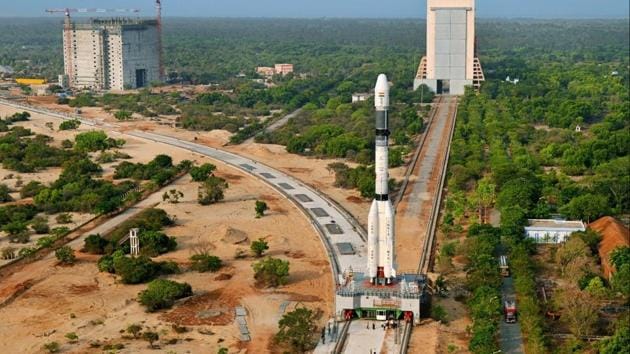
Weighing over 2000 kgs, the Geostationary Communication Satellite built by the Indian Space Research Organisation (ISRO) will be launched today. Seven out of the eight SAARC countries are a part of the project. (Photo credit : ISRO )
Updated on: May 5, 2017 10:15 AM IST


Share via


Copy link

1/8
 View Photos in a new improved layout
Updated on May 5, 2017 10:15 AM
Weighing over 2000 kgs, the Geostationary Communication Satellite built by the Indian Space Research Organisation (ISRO) will be launched today. Seven out of the eight SAARC countries are a part of the project. (Photo credit : ISRO )
2/8
 View Photos in a new improved layout
Updated on May 5, 2017 10:15 AM
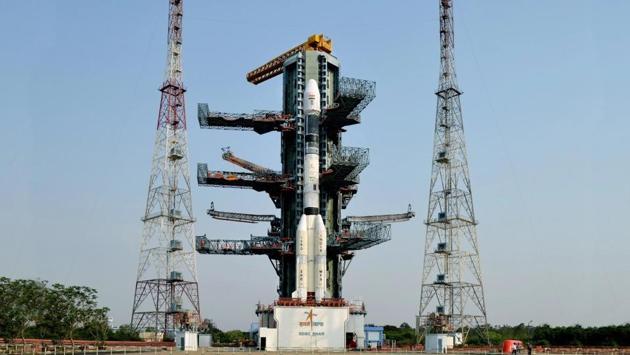
The 28 hours countdown operations for the Friday launch of India’s Geosynchronous Satellite Launch Vehicle (GSLV-F09) carrying GSAT-9 began on Thursday afternoon. (PHOTO CREDIT: ISRO)
3/8
 View Photos in a new improved layout
Updated on May 5, 2017 10:15 AM
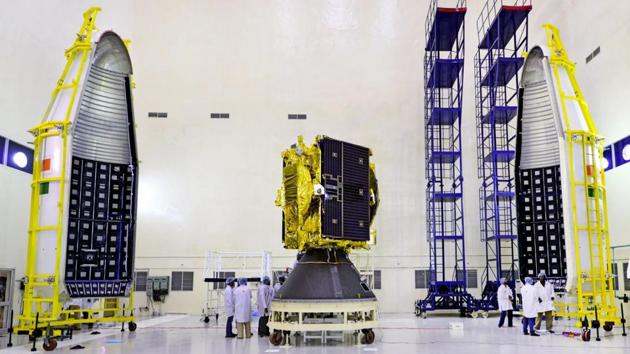
The satellite would serve the neighbouring countries through 12 Ku band transponders carried by it and has a mission life of 12 years. (Photo credit: ISRO)
4/8
 View Photos in a new improved layout
Updated on May 5, 2017 10:15 AM
It will provide a significant capability to each of the participating countries in terms of DTH, certain VSAT capacity plus linking among the states for disaster information transfer. (PHOTO CrEDIT: ISRO)
5/8
 View Photos in a new improved layout
Updated on May 5, 2017 10:15 AM
Nozzle End Segment of GSLV-F09 Core Stage being placed on the Mobile Launch Pedestal. The expected mission life of GSLV-09 is formulated to be around 11 years as per ISRO official releases. (Photo Credit: ISRo)
6/8
 View Photos in a new improved layout
Updated on May 5, 2017 10:15 AM
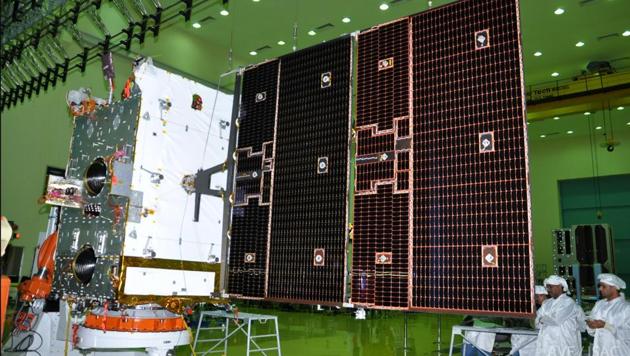
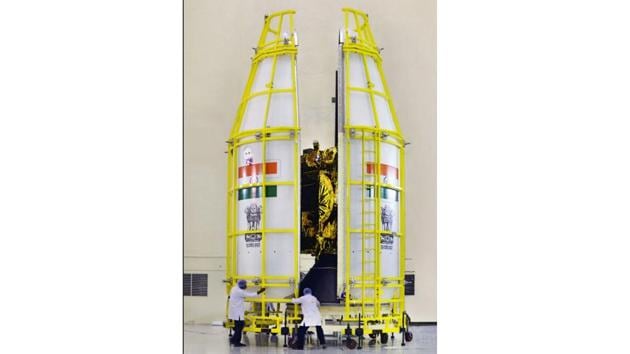
The total cost of launching the satellite is estimated to be about ₹235 crore and the cost associated with the launch will be met by the Government of India, Minister of State for Atomic Energy and Space, Dr Jitendra Singh had stated earlier in the Parliament.
7/8
 View Photos in a new improved layout
Updated on May 5, 2017 10:15 AM
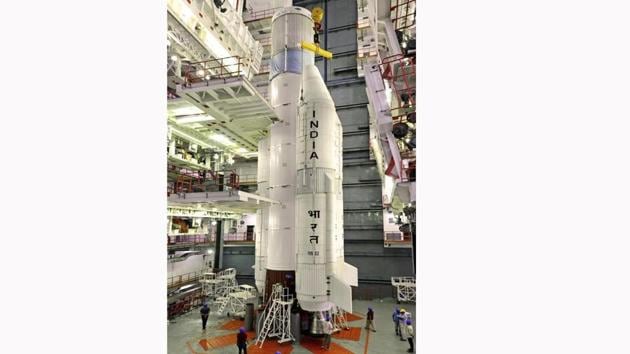
The previous launch of communication satellite GSAT-8 was on May 21, 2011 from Kourou, French Guiana. (Photo CREDIT: ISRO)
8/8
 View Photos in a new improved layout
Updated on May 5, 2017 10:15 AM


