
 E-Paper



The blooming-tales of Delhi’s Mughal Gardens
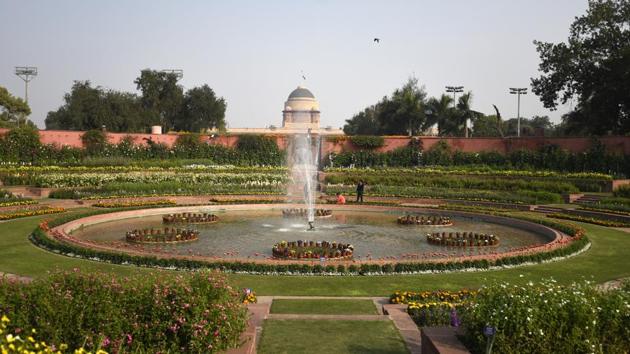
A view of Mughal Garden. The 15-acre area of the Mughal Gardens of Rashtrapati Bhawan was designed by Sir Edwin Lutyens and have been opened for the annual public viewing from February 5, 2017. (Sonu Mehta/HT PHOTO)
Updated on: Feb 6, 2017 8:54 AM IST


Share via


Copy link

1/20
 View Photos in a new improved layout
Updated on Feb 6, 2017 8:54 AM
A view of Mughal Garden. The 15-acre area of the Mughal Gardens of Rashtrapati Bhawan was designed by Sir Edwin Lutyens and have been opened for the annual public viewing from February 5, 2017. (Sonu Mehta/HT PHOTO)
2/20
 View Photos in a new improved layout
Updated on Feb 6, 2017 8:54 AM
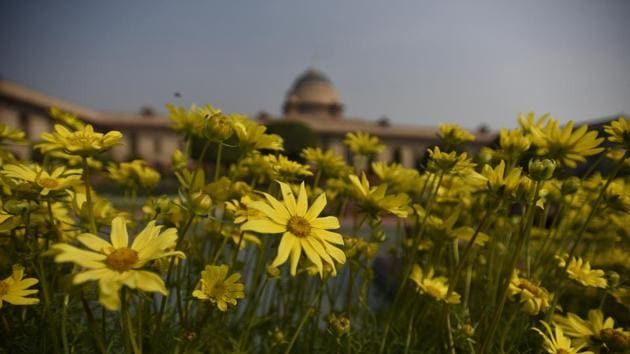
Helianthus commonly known as Sunflower at display in Mughal gardens. The Mughal Gardens of Rashtrapati Bhavan is one of the most beautiful gardens of the world. (Sonu Mehta/HT PHOTO)
3/20
 View Photos in a new improved layout
Updated on Feb 6, 2017 8:54 AM
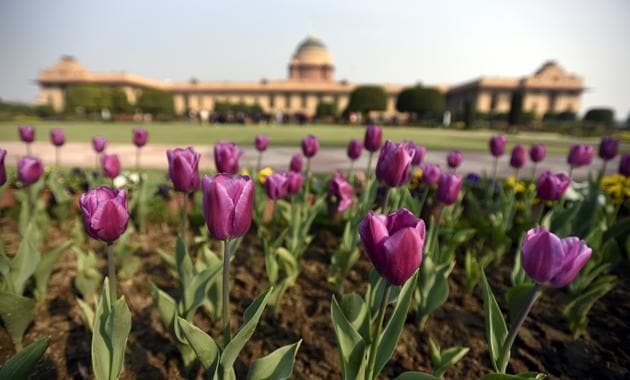
Tulips on display. If the Rashtrapati Bhavan is a masterpiece of architecture, the 15-acre Mughal Garden is considered its soul. (Sonu Mehta/HT PHOTO)
4/20
 View Photos in a new improved layout
Updated on Feb 6, 2017 8:54 AM
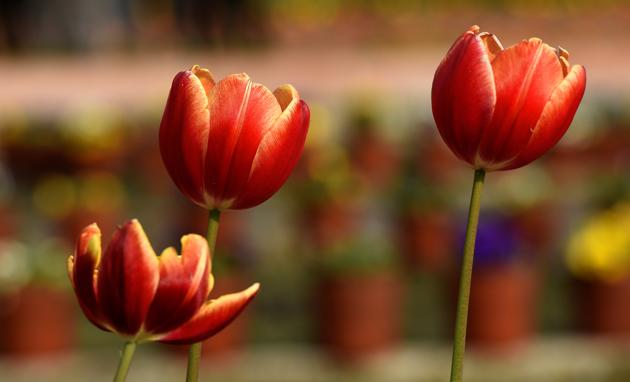
‘Tulips’ and ‘Cyclamen’ valued for their splendid colors are also important attractions of the Mughal Garden. (Sonu Mehta/HT PHOTO)
5/20
 View Photos in a new improved layout
Updated on Feb 6, 2017 8:54 AM
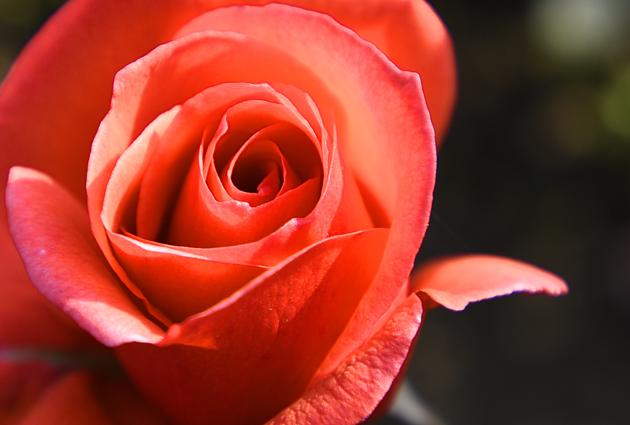
Modern art flower at Mughal Gardens. Roses are central to the fame of Mughal Gardens and a permanent feature throughout the year. The garden has more than 120 celebrated varieties of roses. (Sonu Mehta/HT PHOTO)
6/20
 View Photos in a new improved layout
Updated on Feb 6, 2017 8:54 AM
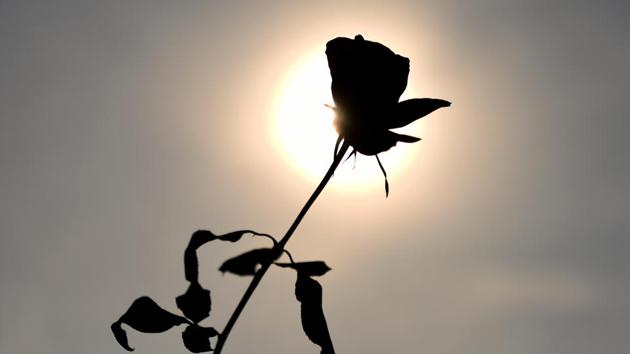
The special roses include Green Rose and Angelique. 40 fragrant varieties include Belami, Black Lady, Double Delight, Eiffel Tower, Granada, Jadis, Mr. Lincoln, Sadabahar, Taj Mahal etc. (Sonu Mehta/HT PHOTO)
7/20
 View Photos in a new improved layout
Updated on Feb 6, 2017 8:54 AM
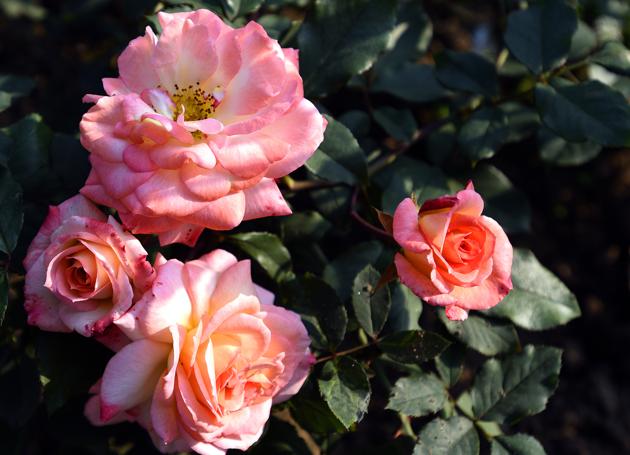
Montezuma flower. The Gardens includes roses named after Mother Teresa, Arjun, Bhim, Raja Ram Mohan Roy, Jawahar and Dr. B.P. Pal. Roses with names of international celebrities include John F. Kennedy, Queen Elizabeth, Mr. Lincoln and Montezuma. (Sonu Mehta/HT PHOTO)
8/20
 View Photos in a new improved layout
Updated on Feb 6, 2017 8:54 AM
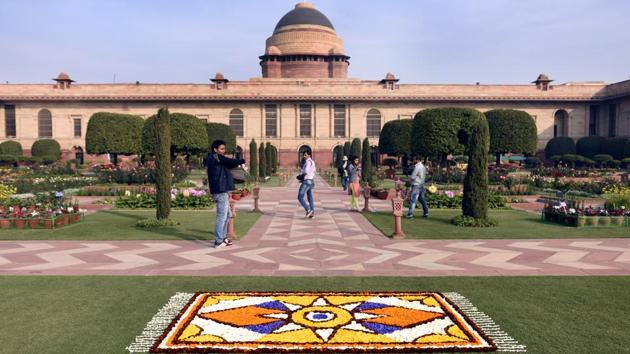
A carpet of flowers at Mughal gardens. (Sonu Mehta/HT PHOTO)
9/20
 View Photos in a new improved layout
Updated on Feb 6, 2017 8:54 AM
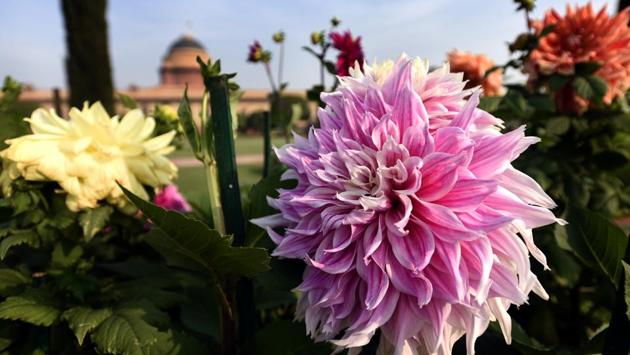
Dahlia flower. The Circular Garden contains 30 varieties of seasonal flowers including Dahlias which are around 8 feet high and go along the circular wall of the Garden. (Sonu Mehta/HT PHOTO)
10/20
 View Photos in a new improved layout
Updated on Feb 6, 2017 8:54 AM
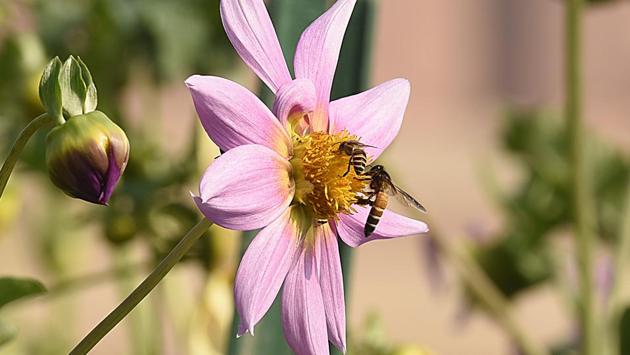
Mughal Gardens of Jammu and Kashmir, the garden around the Taj Mahal and Persian and Indian miniature paintings. (Sonu Mehta/HT PHOTO)
11/20
 View Photos in a new improved layout
Updated on Feb 6, 2017 8:54 AM
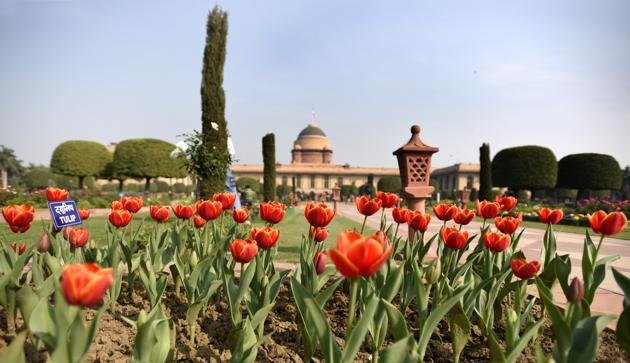
Red Tulips. The Mughal Gardens combines many elements of British garden art. Mughal canals and terraces at different levels and flowering shrubs fuse with European flower beds, lawns and privet hedges. (Sonu Mehta/HT PHOTO)
12/20
 View Photos in a new improved layout
Updated on Feb 6, 2017 8:54 AM
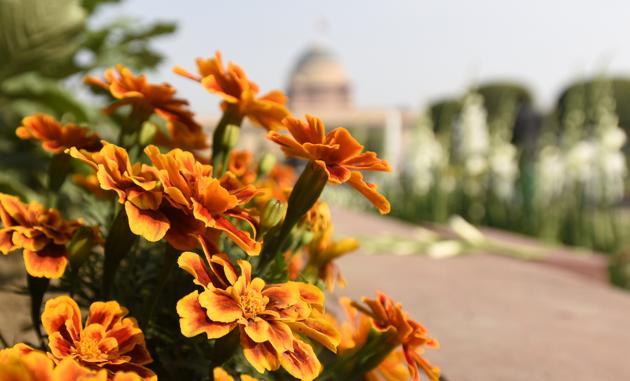
The geometrical decorum and the play with water which are the essence of Mughal Gardens have been combined with the organized caprice of a British garden. (Sonu Mehta/HT PHOTO)
13/20
 View Photos in a new improved layout
Updated on Feb 6, 2017 8:54 AM
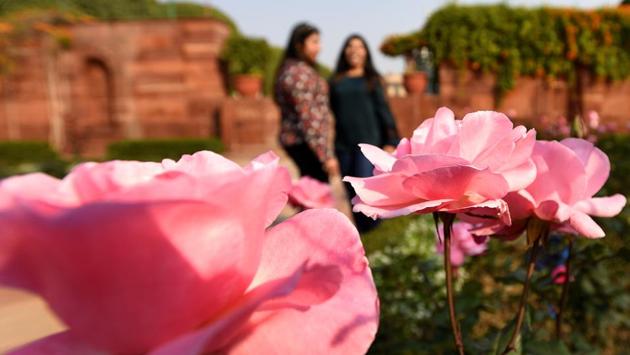
Indigenous trees and shrubs, fountains, water channels and ponds were added to bring in a sense of coolness and purity. (Sonu Mehta/HT PHOTO)
14/20
 View Photos in a new improved layout
Updated on Feb 6, 2017 8:54 AM
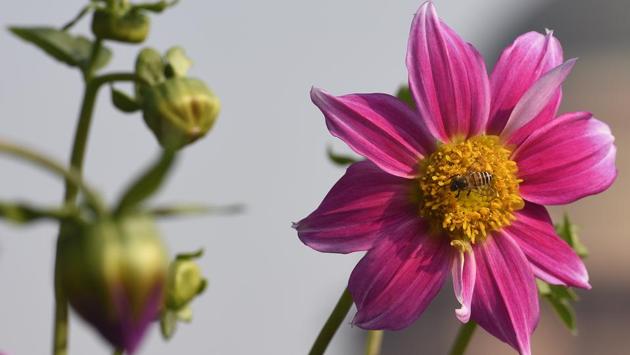
More than 70 varieties of seasonal flowers can be seen in the Mughal Gardens. In winter, the garden is replete with a number of annuals that have to compete with each other to find a place. (Sonu Mehta/HT PHOTO)
15/20
 View Photos in a new improved layout
Updated on Feb 6, 2017 8:54 AM
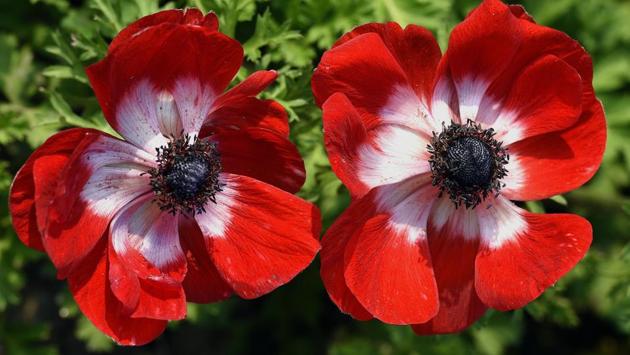
Dwarf annuals like Calendula, Antirrhinum, Alyssum, Dimorphotheca, Eschscholzia (Californian Poppy), Larkspur, Gaznia, Gerbera, Godetia, Linaria, Mesembryanthemum, Portulaca, Brachycome, Metrucaria, Verbena, Viola, Pansy and Stock grow well in flower beds. (Sonu Mehta/HT PHOTO)
16/20
 View Photos in a new improved layout
Updated on Feb 6, 2017 8:54 AM
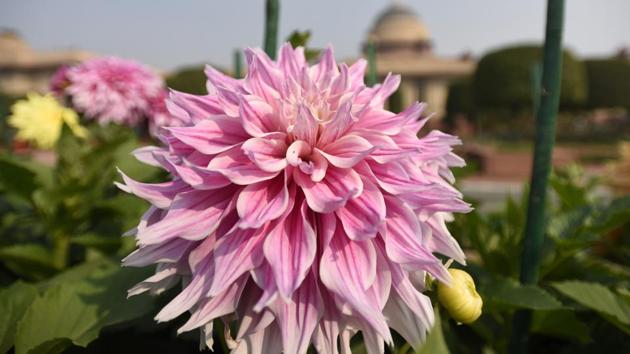
Other annuals that are grown include Dahlia, Aster, Carnation, Chrysanthemum, Clarkia, Lupin, Marigold, Nemesia, Poppy, Stock, Salvia, Cosmos, Linum, Sweet Pea, Cineraria, Sweet William etc. (Sonu Mehta/HT PHOTO)
17/20
 View Photos in a new improved layout
Updated on Feb 6, 2017 8:54 AM
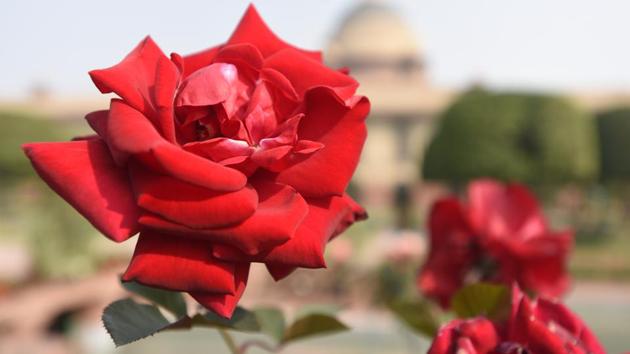
Various herbaceous annuals and bi-annuals are grown in beds and informal borders. The beds are sited at the edge of lawns or along the pavements. (Sonu Mehta/HT PHOTO)
18/20
 View Photos in a new improved layout
Updated on Feb 6, 2017 8:54 AM
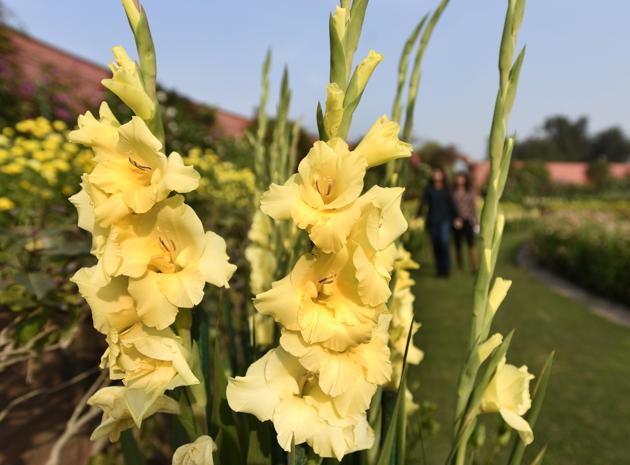
The flowers are massed irregularly with respect to their height and grouped in colour combinations to produce harmonious, natural and pleasing effect. (Sonu Mehta/HT PHOTO)
19/20
 View Photos in a new improved layout
Updated on Feb 6, 2017 8:54 AM
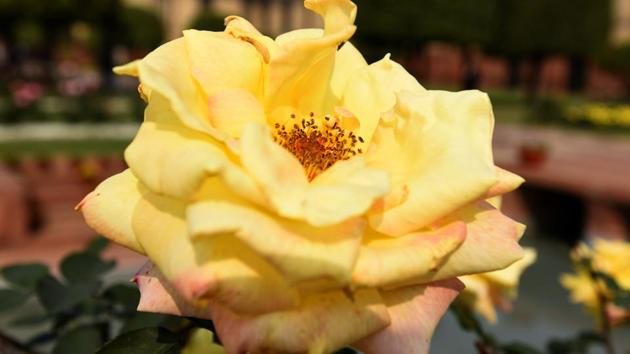
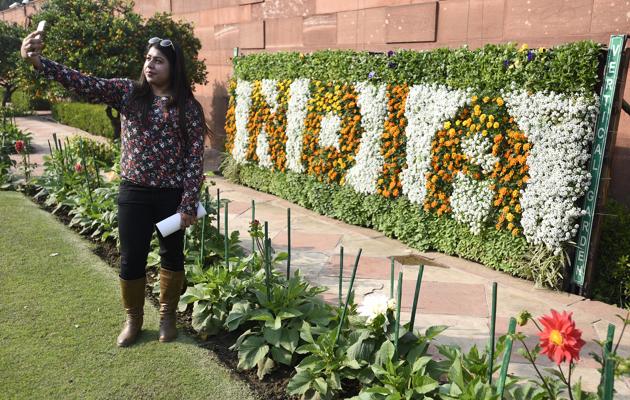
Edging and bordering of flower beds is done with Alyssum, Daisy, Pansy, etc. Under the Roses are also grown Alyssum, Pansies and Viola. (Sonu Mehta/HT PHOTO)
20/20
 View Photos in a new improved layout
Updated on Feb 6, 2017 8:54 AM


