
 E-Paper





Follow the latest breaking news, major developments and agenda-setting stories from India and around the world with the newsdesk at Hindustan Times. Operating round the clock, the desk brings together experienced editors, reporters and correspondents to deliver fast, accurate and contextual reporting across subjects that influence public policy, governance, business, society and international affairs. The HT News Desk covers politics, elections, government policies, the economy, business and markets, science and technology, the environment, law and order, infrastructure, education, climate issues and geopolitics, while closely tracking developments across states, institutions and global capitals. The team also leads coverage of major breaking news events, policy announcements, court proceedings, natural disasters, public emergencies and significant international developments. Reports published by the newsdesk are based on information gathered from reporters on the ground, official statements, government agencies, court records, regulatory filings, recognised institutions and other authoritative sources. Stories undergo editorial scrutiny and verification processes to ensure accuracy, fairness and relevance, and are updated as events evolve and additional information becomes available. Whether covering a key political decision in New Delhi, an economic policy shift affecting millions, a landmark court ruling or a major global event, the HT News Desk aims to provide readers with reliable, fact-based journalism that delivers not only the latest developments but also the context and analysis needed to understand their wider implications.
 Trending News
Don’t harm us by inviting Dalai Lama: China to Botswana
The Dalai Lama will attend a three-day human rights conference at Gaborone in Botswana from August 17.


China on Wednesday fumed over the Dalai Lama’s planned visit to Botswana, warning the African country not to “harm” Beijing’s “core interest”.
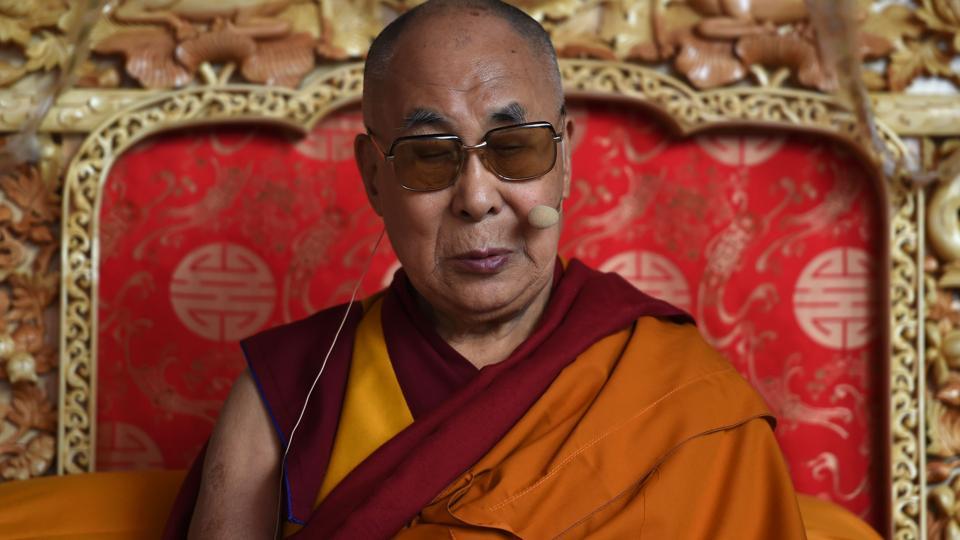
Beijing opposes countries keeping contact or hosting the Tibetan spiritual leader, who it calls “a wolf in sheep’s clothing” and accuses him of secessionist activities in Tibet.
“China has stated its position clearly on the Dalai Lama’s visit to the relevant countries,” Foreign Ministry spokesperson Lu Kang said. “We require relevant countries to earnestly respect China’s core interests. China will not interfere in other countries internal affairs. We will not accept other countries to do things that will harm the core interests of China.”
The Dalai Lama will attend a three-day human rights conference at Gaborone in Botswana from August 17.
China is Africa’s largest trade partner. China’s state-run companies have the contract of building key infrastructure projects in Botswana.
In 1959, after a failed uprising in Tibet, the Dalai Lama fled to India and has lived in self-imposed exile since then.
China uses various tactics to settle scores if any country invites him.
In the case of neighbouring Mongolia, it imposed a kind of economic blockade, crippling the economy of the poor country.
Following his April visit to Arunachal Pradesh, which Beijing claims as its own, Beijing had retaliated by changing the name of six cities in the northeastern Indian state.


