
 E-Paper



Kabul: Spaniards among six killed as long Taliban siege ends
Afghan security forces have killed all the insurgents involved in the attack on a guest house near the Spanish embassy in Kabul, Interior minister spokesman Sediq Sediqqi announced on Saturday.

 Prefer HTon Google


At least four Afghan policemen and two Spaniards were killed in an hours-long Taliban siege near the Spanish embassy in Kabul’s diplomatic quarter, the latest high-profile insurgent attack that ended early on Saturday.
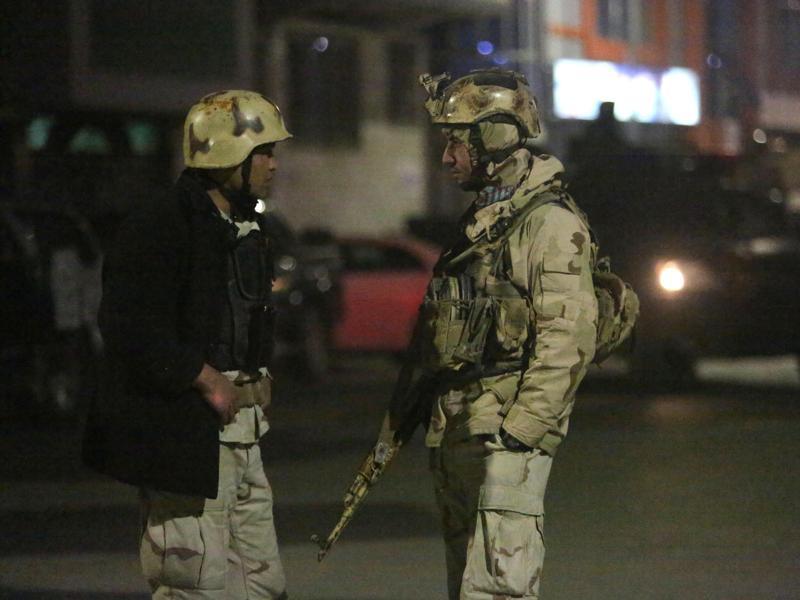
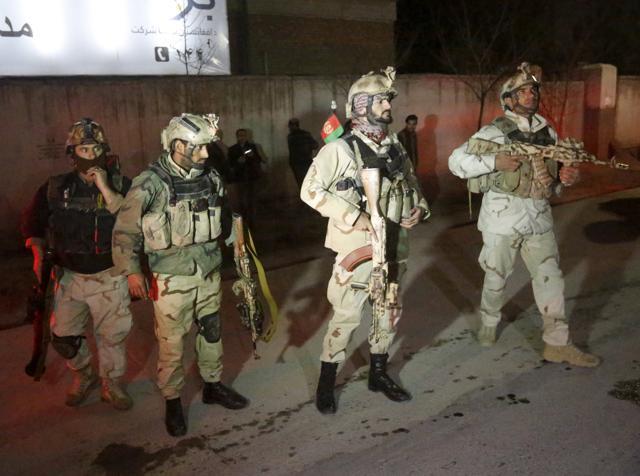
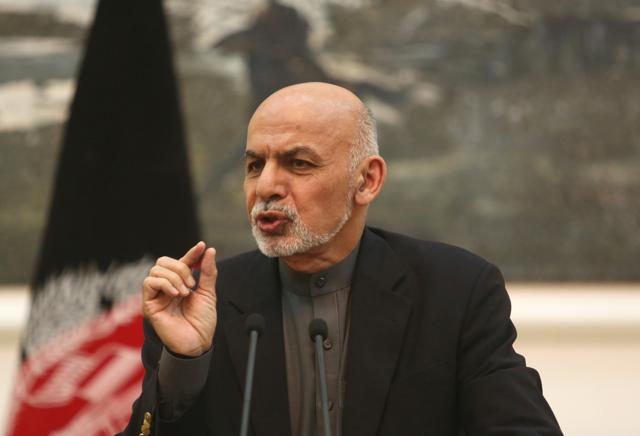
Multiple blasts and gunfire rocked the high-security zone after the brazen raid began on Friday evening, just hours after President Ashraf Ghani voiced optimism that a peace process with the Taliban would resume within weeks. “Four Afghan policemen, two foreign nationals and four attackers were killed in the terrorist attack in Kabul,” Fraidoon Obaidi, the head of Kabul’s Criminal Investigation Department, said.
The government in Madrid confirmed that the two foreigners were Spanish policemen killed during the assault, which began when a huge car bomb struck during rush hour on Friday evening. The powerful blast, which sent a thick plume of smoke into the sky, was followed by multiple explosions through the night along with sporadic bursts of gunfire. Security men near the embassy ducked from gunshots as they hauled away a limp body and two wounded men through the dark to a waiting ambulance — one bleeding from the head, the other a policeman with a gunshot wound to his leg — an AFP photographer saw.
Splintered Taliban escalating insurgency
The Taliban claimed responsibility for the attack, just days after President Ashraf Ghani returned from a regional peace conference in Pakistan, where he sought support to revive peace talks that had stalled this year.
It followed a separate Taliban attack on the airport complex in the southern city of Kandahar, in which at least 50 civilians and security forces personnel were killed.
On Thursday, the head of Afghanistan’s intelligence agency resigned over a row with Ghani, in a move that underlined the divisions among leaders of the country’s security apparatus.
The Taliban has been caught up with a bloody internal power struggle but it has nevertheless been able to mount well-coordinated attacks on targets across the country.
Militants have stepped up the insurgency following the withdrawal of international forces from combat operations last year, achieving a series of successes, including seizing the northern city of Kunduz in September.


