The coronavirus pandemic (Covid-19) has reshaped life in India’s cities. Social distancing, working from home, keeping a safe distance from elders are actions and responses that are antithetical to the way social relations are structured in our society, which is overtly familial and relational. Such measures are being taken for the first time, producing a difficult set of preoccupations. This, in turn, activates fears and beliefs that are often kept at bay in our modern existence. In ordinary circumstances, this preoccupation is directed externally, at events outside of us, rather than within ourselves. Technology also helps keep us connected and directs our minds towards external stimuli. The increasing competitiveness, long hours of work, enhanced productivity, and deadlines have ensured that our preoccupation is more with life outside of ourselves.
This pandemic and the subsequent lockdown, however, has forced us to look within, and that can lead to chronic helplessness and anxiety. The threat of getting infected, being a carrier of the virus, is what makes this disease emotionally threatening. When one reads about the spread of the virus and the number of casualties, it can activate fears of death and annihilation. The panic created by the virus can disturb families and intimate relationships. For instance, individuals may well think that their proximity to their parents can cause the latter harm. We will have to carefully unweave this web of conflicting emotions in the months to come.
The fear of losing the people that you care about becomes acute since we imagine ourselves as contaminating beings. The elderly are likely to experience a deeper fear of their mortality. This can be attributed to their limited social engagements and dependence on younger people for care, who now can endanger them. It is also during old-age that past trauma can resurface, and social isolation only makes these feelings intensify.
The spread of the virus from one person to another, simply through contact, also takes away the imagination that the body is a safe space. The body will perhaps be experienced as a site of threat, easily succumbing to death without immunity. The unfortunate suicide of the young man in a Delhi hospital represents this fear, where all hope is lost. Every individual carries psychological fears of death and extinction that are negotiated in life. The virus physiologically reactivates this fear. The panic brought by this invisible virus calls for a newer approach to human relations in which physical contact and presence are translated in different ways — through words and language.
{{/usCountry}}The spread of the virus from one person to another, simply through contact, also takes away the imagination that the body is a safe space. The body will perhaps be experienced as a site of threat, easily succumbing to death without immunity. The unfortunate suicide of the young man in a Delhi hospital represents this fear, where all hope is lost. Every individual carries psychological fears of death and extinction that are negotiated in life. The virus physiologically reactivates this fear. The panic brought by this invisible virus calls for a newer approach to human relations in which physical contact and presence are translated in different ways — through words and language.
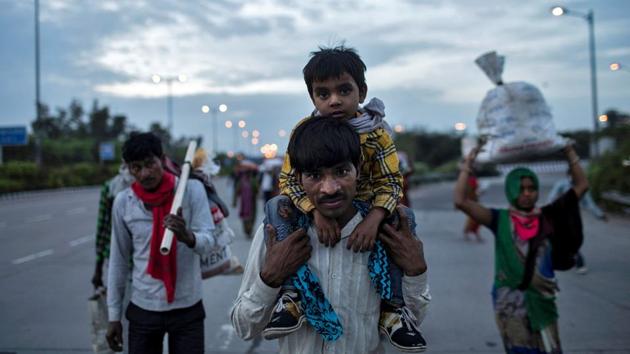
{{/usCountry}}While technology is helping us in isolation, through social media, home deliveries and so on, this is a luxury that only the privileged can afford. There are far too many who don’t have the means to isolate and sustainably protect themselves.
This pandemic is an acknowledgement of human limitations, and is bound to perpetuate depressiveness. How we, as a human race, now accept the uncertainty within ourselves and create relationships that are beyond materiality and achievements, will help determine how we navigate through these times. Creating a bridge between mental health and distress at this time is imperative, for the trauma of this time is likely to last much longer than the virus itself.