
 E-Paper



The budget is brave. It will boost sentiment, growth | Opinion
It strikes a fine balance in giving investment a push, while remaining fiscally prudent. The markets will recognise it

 Prefer HTon Google


I have been surprised at the equity market response to the 2020 Union Budget, presented by the finance minister Nirmala Sitharaman. It was her second budget, and the first of this decade. The more than 2% decline in both the NIFTY 50 and Sensex reflects their perplexing disappointment, which may have come about because the markets perhaps expected a “big-bang budget”. According to street expectations, this would have implied a whopping increase in government expenditure, without any reference to fiscal discipline and the Fiscal Responsibility and Budget Management (FRBM) framework. True to this government’s established practice, it has once again not succumbed to the fiscal profligacy that such a big-bang would have implied.
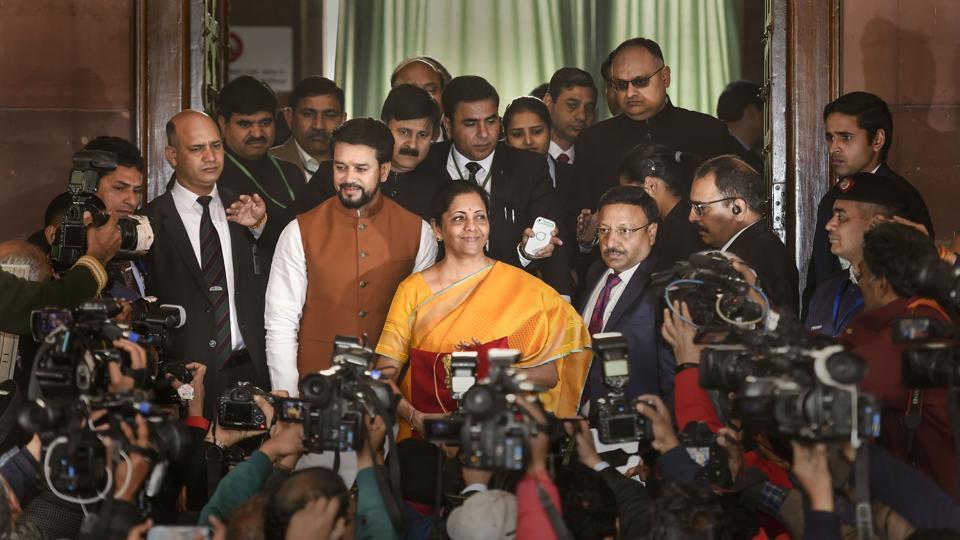
I am confident that in the coming days, the “market” will recognise the fine balance that the finance minister has achieved in giving private investment and growth a strong push, while retaining fiscal prudence and adhering to the FRBM framework, which permits a flexibility of 0.5% in fiscal deficit when structural reforms are undertaken and revenues have not shown the expected buoyancy.
In my view, this is a budget with strong investment promotion features. These are reflected in several measures of which some of the more important ones are; i) abolition of the dividend distribution tax by the corporates; ii) extending the concessional 15% corporate tax rate to investment in the power sector along with other manufacturing capacities; iii) extending tax concessions to foreign country sovereign wealth funds and also other foreign direct investments, when it is made in priority sectors, including infrastructure; iv) permitting a tax deduction of 100% to start-ups for turnover of up to Rs 100 crore, raised from Rs 20 crore, and extending the concession from five to seven years; v) introducing the Vivad se Vishwas (No Dispute but Trust) scheme for direct tax disputes, which number a whopping 4.88 lakhs, allowing taxpayers to close the dispute by only paying the tax liability and avoiding the payment of interest and penal interest; vi) extending the time limit by one year for tax concessions for builders who take up affordable housing projects; and vii) the announcement of a Taxpayer Charter that will for the first time give the taxpayers their rights and save them from avoidable harassment.
All these measures will give a strong impetus to ramping up investment, which is critical to bring the economy back to a high growth trajectory. This will help the economy achieve the $5 trillion goal by 2025.
The 16-point plan of action for agriculture represents a comprehensive set of measures for accelerating the growth of this crucial sector. It will also attract corporate investment. And together it will enable the doubling of farmers’ incomes. I am particularly happy at the incentives announced for those states which implement the three modern agriculture laws that were designed in the NITI Aayog. These include the introduction of the model Agricultural Produce and Livestock Marketing Act, 2016; Agriculture Land Leasing Act, 2016; and the Contract Farming Act, 2018.
The implementation of these pending and yet critical structural reforms will go a long way in modernising our agriculture sector, including horticulture and fisheries. This is a very welcome move, as presently hardly 10% of our agriculture output is processed and farmers do not enjoy the benefits of value addition in this sector.
Another notable feature of the budget is the fairly ambitious disinvestment target of Rs 2.1 lakh crore for 2020-21. This is more than double the present year’s target, but is undoubtedly achievable. More than 25 disinvestment proposals are currently in the pipeline after being cleared by the cabinet. These are currently being processed and will surely be completed in the next 14 months.
Moreover, the listing of the Life Insurance Corporation, and then disinvesting a part of the equity to retail consumers, will yield substantial revenues. This, along with the strategic sale of Air India, when completed, will surely achieve the ambitious disinvestment target. This will also refurbish the government’s credentials for its avowed aim of making greater space available for private sector activity and withdrawing the government from non-strategic sectors of the economy.
This pro-private sector approach is also reflected in the budget announcement of establishing a new medical college in public-private partnership mode to be attached to each of the government district hospitals in the country. This will address the acutely felt problem of shortage of health delivery personnel and also help enhance medical services.
With a nominal GDP growth rate of 10%, the budget has assumed a very reasonable rate of growth of only 9.2% in revenue receipts from Rs 18.5 lakh crore to Rs 20.2 lakh crore. With the further simplification and administration of both direct and indirect tax regimes, I expect this estimate to be overachieved in the coming year. For total receipts, including capital revenues from disinvestment, the growth is projected at 14.7%, also a reasonable target. The total public expenditure is expected to grow by 12.7% with public capital expenditures estimated to rise by 23% (BE FY21 over BE FY20). This is a healthy trend.
The finance minister has also provided much-needed succour to the middle class by lowering the personal income tax rates, and more important, perhaps, by taking important steps to simplify the tax payment process. Seventy of the 100 possible deductions and exemptions have been removed and an option has been given to the taxpayers to pay a lower tax rate if they are willing to forego the exemptions and deductions.
Overall, this is a brave and balanced budget that will boost investors’ sentiments and restore the economic growth momentum.
Rajiv Kumar is vice chairman, NITI Aayog
The views expressed are personal


