E-Paper



Manipur elections: BJP comes second but holds all the cards
Despite getting the highest number of seats -- 28 of the total 60 -- the Congress, which ruled for the past 15 years, is unlikely to get support from smaller parties to reach the magic figure of 31.


It lost the race by a narrow margin but is still likely to emerge victorious. That’s the story of the BJP, which had failed to win a single seat in Manipur in 2012, and is now headed to form the next government in the northeastern state.
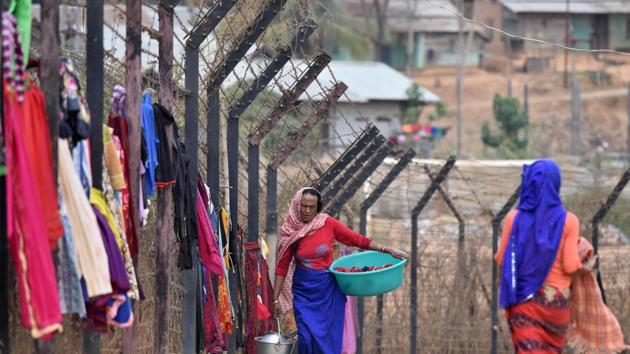
Despite getting the highest number of seats -- 28 of the total 60 -- in the Manipur assembly elections, the Congress, which ruled the state for the past 15 years, is unlikely to get support from smaller parties to reach the magic figure of 31.
The BJP, on the other, hand, which secured 21 seats, seems to have all the cards at its disposal and just needs to play them well. Party workers and leaders are already celebrating Holi.
This election was the most closely contested one in Manipur’s recent history and both sides, the Congress and BJP, did their best to win the battle of perception to secure votes.
Read: Manipur polls: Emotional Irom Sharmila quits politics after debut debacle
The ruling Congress tried to blame the Centre for the blockade of highways by the United Naga Council and also raked up the 2015 Framework Agreement between New Delhi and the Naga insurgent group, NSCN-IM -- trying to convey to voters that Manipur may lose territory if the deal is implemented.
The BJP, with the help of high-voltage rallies of Prime Minister Narendra Modi, party chief Amit Shah and home minister Rajnath Singh, successfully fended off the allegations.
Since law and order is a state subject, BJP leaders accused Chief Minister Okram Ibobi Singh of failing to remove the four-month-old blockade and assured voters that Manipur won’t lose any territory.
The chief minister, who has been at the helm since 2002, was also targeted. Modi in his Imphal rally called him a “10% chief minister”, insinuating that Ibobi Singh took commission for development work.
Despite being part of the Nagaland Peoples Front (NPF)-led government in Nagaland, the party stayed clear of any pre-poll alliance with the outfit in Manipur, keeping in view sentiments of Meiteis in the valley area.
The NPF won four seats in the Naga-dominated hills areas, and the party is expected to give outside support to the BJP.
The National Peoples Party, which won four seats, and the Lok Janshakti, with one, are expected to join the government.
The BJP’s Assam strategy, of weaning away Congress MLAs ahead of polls, however, had a fifty-fifty success rate. Three of the six Congress legislators, who switched sides, won. The other three lost.
Since no party secured majority, stability of the government could be a factor in coming days---something which the state hadn’t seen since 2002.