
 E-Paper



Chaturmas 2026: Why astrologers consider these four months a powerful time for spiritual growth
According to Hindu beliefs, this is the day when Lord Vishnu enters Yoga Nidra, or divine sleep, until Prabodhini Ekadashi on November 20.

 Prefer HTon Google


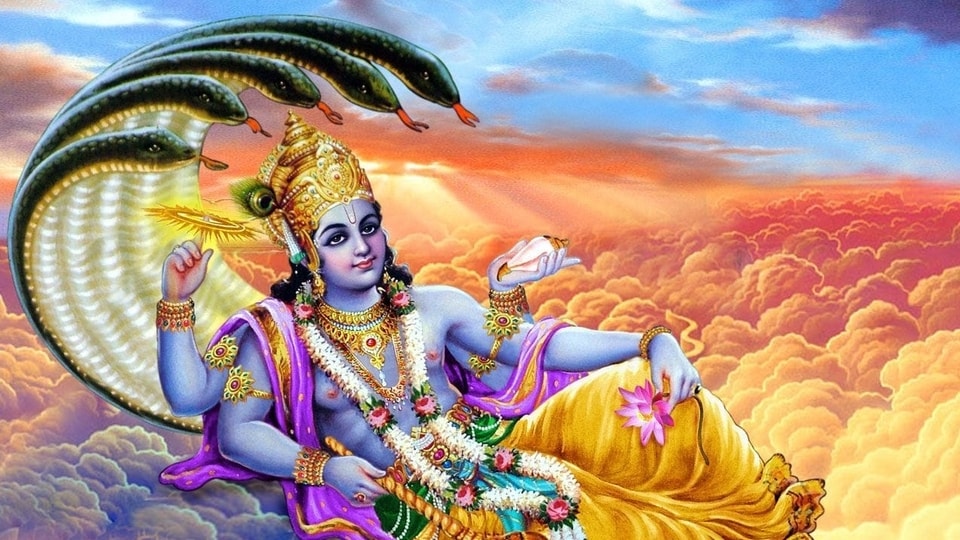
Chaturmas 2026 begins on July 25 with Devshayani Ekadashi, marking the start of a four-month period that holds special importance in Vedic astrology and Hindu tradition. According to Hindu beliefs, this is the day when Lord Vishnu enters Yoga Nidra, or divine sleep, until Prabodhini Ekadashi on November 20.
For astrologers, Chaturmas is more than a religious observance. It is seen as a period that encourages people to shift their focus from external achievements to inner growth. Rather than chasing new opportunities, many use these months to strengthen their spiritual practices, reflect on personal goals and develop greater self-discipline.
Also Read Sawan 2026: An expert shares important dos and don'ts to follow during the holy month
Chaturmas 2026: Date and timings
- Begins: Saturday, July 25, 2026
- Occasion: Devshayani Ekadashi
- Concludes: Friday, November 20, 2026
- Occasion: Prabodhini Ekadashi
According to the Hindu calendar, Chaturmas starts on the Ekadashi of the bright fortnight (Shukla Paksha) in the month of Ashadha and ends on the corresponding Ekadashi in Kartik.
What does Chaturmas mean in astrology?
In Vedic astrology, Chaturmas is often viewed as a season of spiritual alignment rather than outward expansion. Astrologers believe this period supports practices that bring greater mental clarity, patience and emotional balance.
Instead of focusing on material success, many followers use these months to deepen their connection with prayer, meditation, mantra chanting and self-reflection. The emphasis is on building habits that support long-term personal growth.
Also Read July Full Moon 2026: Meaning, date, timings and astrological significance
Why Chaturmas is linked to Lord Vishnu's Yoga Nidra
According to Hindu tradition, Lord Vishnu enters Yoga Nidra on Devshayani Ekadashi. This symbolic period of divine rest is believed to encourage devotees to slow down and turn their attention inward.
Astrologers say this symbolism reflects the natural rhythm of pause and renewal. Just as nature follows cycles, Chaturmas is seen as a reminder that personal transformation often begins with reflection before action.
Shravan makes Chaturmas especially significant
One of the most spiritually important months within Chaturmas is Shravan, which is dedicated to Lord Shiva.
Many devotees observe Monday fasts, perform Shiva puja, chant sacred mantras and visit temples throughout the month. In astrology, Shravan is often associated with devotion, discipline and spiritual cleansing, making it one of the most observed periods of the Hindu calendar.
A time to pause before moving ahead
Every season in the Hindu calendar carries its own spiritual meaning, and Chaturmas is often described as one of the most introspective. In astrology, it is regarded as a favourable time to reassess priorities, let go of unhelpful habits and create space for personal and spiritual growth.
As Chaturmas begins on July 25, many devotees and astrology followers will observe the next four months as a period of mindful living, with the belief that inner transformation can lay the foundation for future progress.
Disclaimer: The astrological significance and spiritual beliefs mentioned in this article are based on traditional Hindu and Vedic astrology practices.


