
 E-Paper



Bihar Assembly Election 2020: JD(U) eyes Phulparas seat for third straight term
In the 2015 assembly elections, there were 12 candidates in the fray. JD(U)’s Guljar Devi won the election, upstaging BJP candidate Ram Sundar Yadav by a margin of 13,415 votes. Guljar Devi got 643,68 votes while Ram Sundar Yadav won 50,953 votes. While the RJD bagged 40.6% of the votes, the BJP received 32.14%.


Phulparas assembly seat will go to vote in the second phase of Bihar assembly election on November 3. The seat falls in the Madhubani district and comes under the Jhanjharpur Lok Sabha constituency. Phase-one of the state election was conducted on October 28 and the last phase is scheduled for November 3. Counting of votes and announcement of results will take place on November 10.
Click here for complete Bihar Assembly election coverage 2020
Janata Dal (United) has replaced sitting MLA Guljar Devi and fielded Shila Mandal as its candidate from NDA alliance. Congress candidate from Mahagathbandhan Kripanath Pathak will be contesting against Devi.
Phulparas assembly constituency has a total of 325,242 eligible voters out of which 170,068 are male, 155,164 female and 10 are transgenders.
In the 2015 assembly elections, there were 12 candidates in the fray. JD(U)’s Guljar Devi won the election, upstaging BJP candidate Ram Sundar Yadav by a margin of 13,415 votes. Guljar Devi got 643,68 votes while Ram Sundar Yadav won 50,953 votes. While the RJD bagged 40.6% of the votes, the BJP received 32.14%.
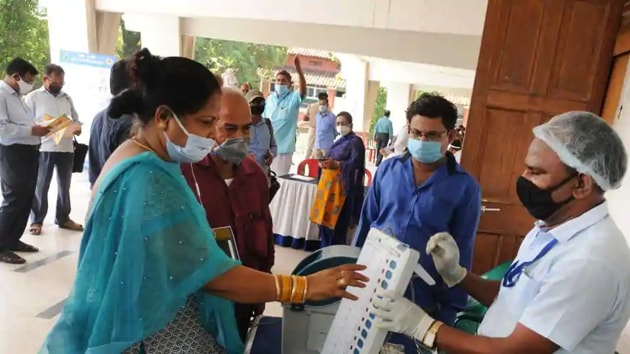
The first phase of state election this year, held for 71 constituencies, saw a turnout of 54%. These elections, first to be held after the outbreak of coronavirus (Covid-19) crisis in March, are being monitored for strict adherence to the Election Commission of India’s guidelines.
According to the ECI, a maximum of 1,000 voters will be allowed to vote from a polling booth and postal ballot facility will be provided for those aged above 80, or those afflicted with the coronavirus. Electronic voting machines will be sanitised, polling personnel will have to wear masks and other protective gear and thermal scanner, hand sanitiser, soap and water will have to be made available by authorities.


