
 E-Paper



Ben Markovitz: When you write, there’s this tension between flow and editing
The author of the Booker-shortlisted The Rest of Our Lives on his novel about middle age, cancer and divorce

 Prefer HTon Google


The Rest of Our Lives opens with the narrator, Tom, revealing, “When our son was twelve years old, my wife had an affair...” You’ve said the opening line came to you before you started working on this book. How did it become this novel?
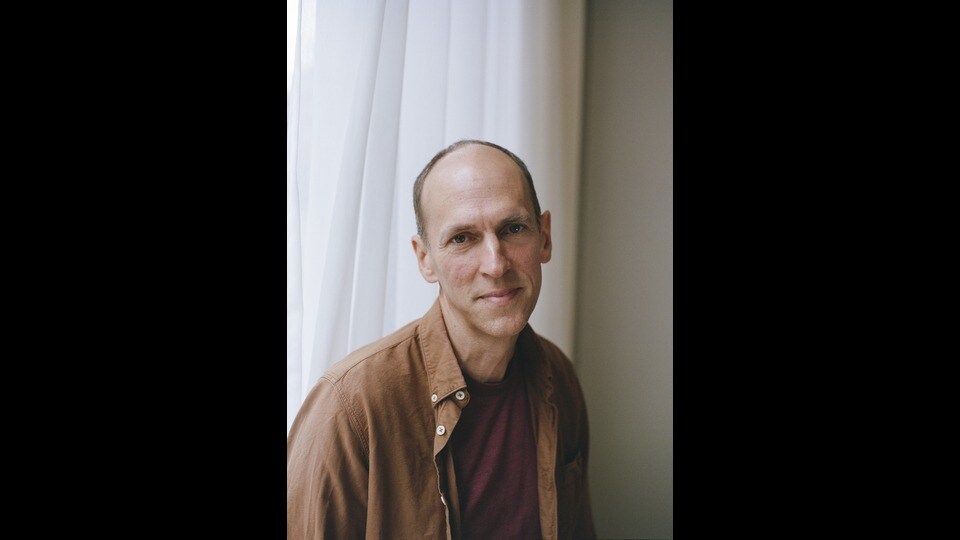
Usually when I’m working on something, I get ideas for other books and I jot down a few notes, and then these often sit with me for a while so that they can accumulate ideas around them. And eventually, when I have nothing else to do, I’ll think about what I want to do next, and then I pick one of them. So that’s kind of what happened here. I had the these opening few pages.
There was something there that I wanted to write about... My daughter was leaving home. It seemed like an interesting way into a story about middle age.
It is essentially an American male midlife road trip story. There have been comparisons to John Updike’s Rabbit, Run. But it made me think of Don Draper in the last season of Mad Men. Tom drops his daughter to boarding school and then just drives across America for a few episodes. The idea though — a middle-aged man driving away — is a brave arc to follow, it can be easily dismissed as a trope. How did you circumvent the dangers of it seeming like one?
The truth is, obviously it’s a trope. But whenever I use a trope, I want it to feel like 90 percent fact. I want it to feel mostly real and only have a little bit of extra meaning because of the trope. And as much as possible, I wanted his road trip to feel like a natural thing for him to do in the moment and not like he was following in some kind of literary tradition.
Updike handles it very well in Rabbit, Run. I mean, that’s not really a road trip novel because he doesn’t get very far. But when Rabbit walks out on his marriage, it’s not like he planned it in any meaningful way. It’s just he’s caught up in all kinds of domestic arrangements, and suddenly when he gets in the car, he thinks, screw it, I’m not going home. And I thought that was a useful model for the way these things would happen.
When I talk about the book, I often say that it’s a story about a guy whose wife had an affair and he makes a deal with himself that he can walk out of the marriage when the kids leave home. And that makes it seem much more deliberate, I think, than it really is in the book — because his wife was supposed to come along, and then there’s no road trip novel unless they do it together. So the really hard part of the opening of the book was making it plausible that the wife wouldn’t come.
Tom is essentially a good guy. His road trip isn’t some wild midlife crisis thing. But I was hooked from the beginning as he goes over what happened and his life as he drives along, because I needed to know whether he would ultimately leave Amy over her affair many years ago or not. How did you keep the novel moving while it was led by your protagonist’s interiority?
Yeah, that’s tricky. One of the troubles of the road trip novel is that you drive away from the source of the plot. And the plot here is his unhappy marriage but he’s driving away from it, so you need something to replace the source.
I did a couple of things. So, one was the interiority. He spends a lot of time talking to Amy in his head, and by driving away, he actually gets closer to her in a way that I think is natural. Often, I have conversations with people in my head after the actual conversations have ended… Sometimes you can speak more honestly if you don’t actually have to say it aloud. And sometimes you can view the person you’re arguing with a little bit more sympathetically if they’re not in front of you. And so that’s kind of what happens.
The other thing I wanted to write about is the fact that in a marriage, your fingerprints are all over your partner. I don’t mean physically. But who they become, especially after a long marriage, you’ve played a big role in that. And so if you’re not getting along, on some level you have to know that’s partly to do with you. That works in both directions. And that seemed like an interesting thing to write about. He’s trying to reckon, how did I turn you into this person that I’m fighting with? What could I have done differently?
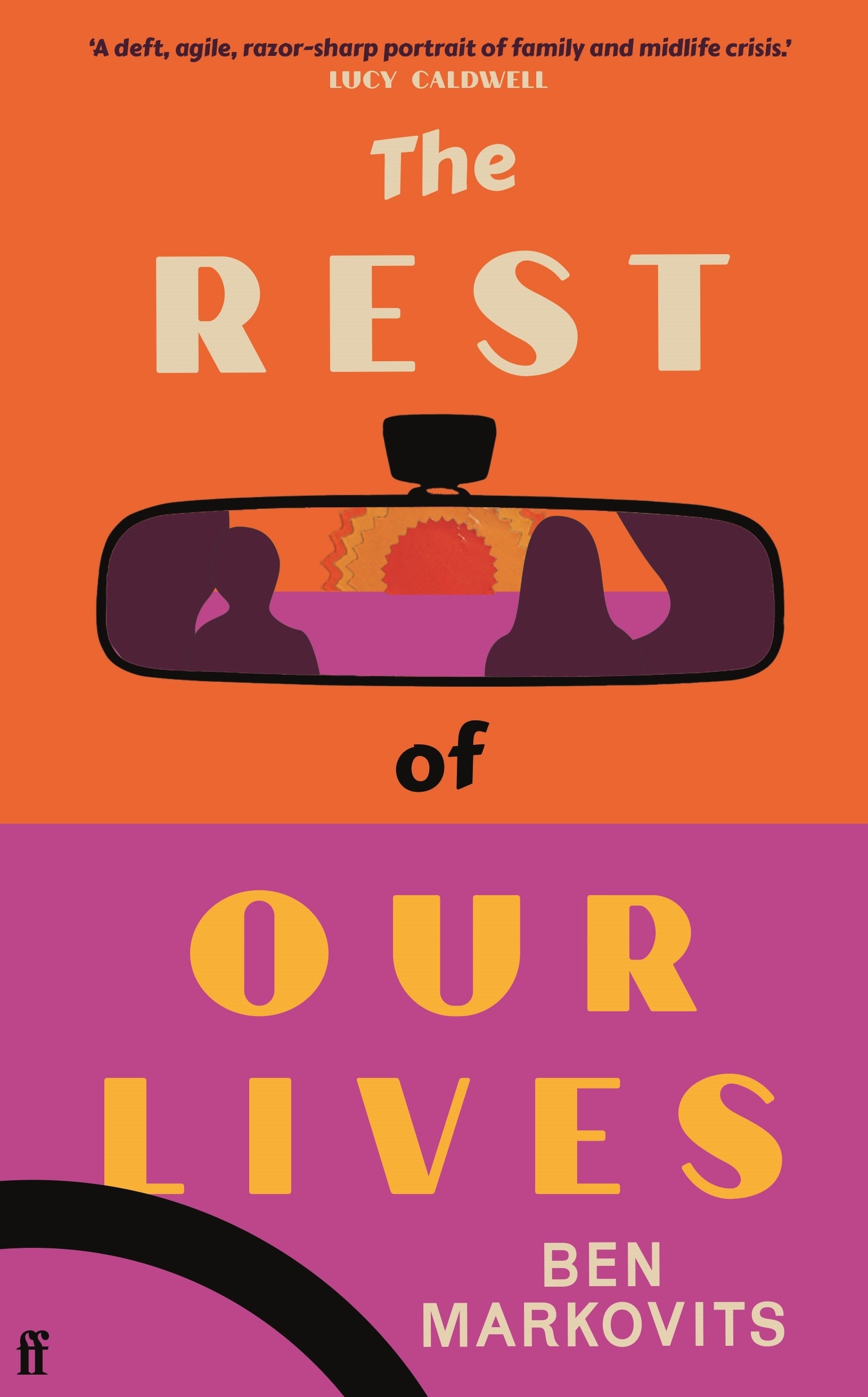
The other tension in the book is Tom’s deteriorating health. When you started working on the book, you also had these symptoms that no one was able to diagnose. It eventually turned out to be cancer and you went through chemo while continuing to work on the book. How did you stay with the novel through that period and how much of your illness inform the novel?
When I was writing the novel, I gave him those symptoms before I knew what they were. I did it partly because I thought if he was having some kind of medical issue, that would sustain the story as he moved away from his wife. It would be something else to progress. Because the trouble with a road trip is kind of episodic. He sees one person, he sees another person. You want the plot to accumulate.
I, actually, did go on a road trip while I was getting sicker — with my family, not without my family. It was really wonderful. And it was intense. It was intense partly because I was getting sicker.
I didn’t know when I started chemo that I would keep writing. It wasn’t my plan to keep writing. The chemo was very much about routine for me. You try to eat every day because I didn’t always want to. You try to take some exercise. You try to sleep a little bit. And writing is very much about routine. I have a routine when I’m well: go for a run in the morning, have some breakfast, write to lunch. It’s all about setting up routines.
I had the first chemo and then I felt very sick. Four or five days passed. I was starting to feel a little bit better. And you don’t really do anything all day. I thought, maybe it would give some shape to my day, it would give some shape to the week. It would make me feel like myself again if I just sat down at the computer and wrote. It was five or 10 minutes, and then I would stop. But the muscle grew a little bit. And so, the next day it would be a little bit longer. It made me happier to do it so I kept going.
Did you, undergoing chemo while writing, consider turning it into a novel about cancer?
I could consider writing a sequel. This is a novel about middle age and cancer and divorce, but the road trip kind of makes it fun. You want something to be a bit fun, especially if the rest of the story is so heavy. Going through chemo is really interesting. There are lots of little subtle changes that happen to you, and your relationships with other people change around you, but I don’t know where the fun is. Anyway, it seemed like it needed another novel.
You, after college, were a professional basketball player for a season in Europe. You’ve talked about how writing, like basketball, is something one can get better at in solitude...
When you work on a sentence, you keep working on it until you feel that you’ve gotten it right. And you do the same when you’re learning to shoot a basketball, except the answer is so much simpler because the ball goes in. You never quite have it that simple when you’re writing, right?
You keep tinkering with what you’re doing when you’re on the basketball court saying, okay, I need to adjust my form a little bit. But there’s also this tension which I think exists in writing too. I think of it as a tension between form and flow. If you shoot a basketball, technically correctly, but you’re thinking the whole time about what technique you should use, you will miss because you don’t have any flow. But if you just rely on flow, eventually the technique will break down and you’ll miss. And when you write, there’s always this tension between, I don’t know, you could call it flow and editing. You can’t totally edit your way to a good novel. At some point something has to flow, so there’s always that.
Saudamini Jain is an independent journalist. She lives in New Delhi.


