
 E-Paper



The It guy: What makes Stephen King’s horror so memorable?

 Prefer HTon Google


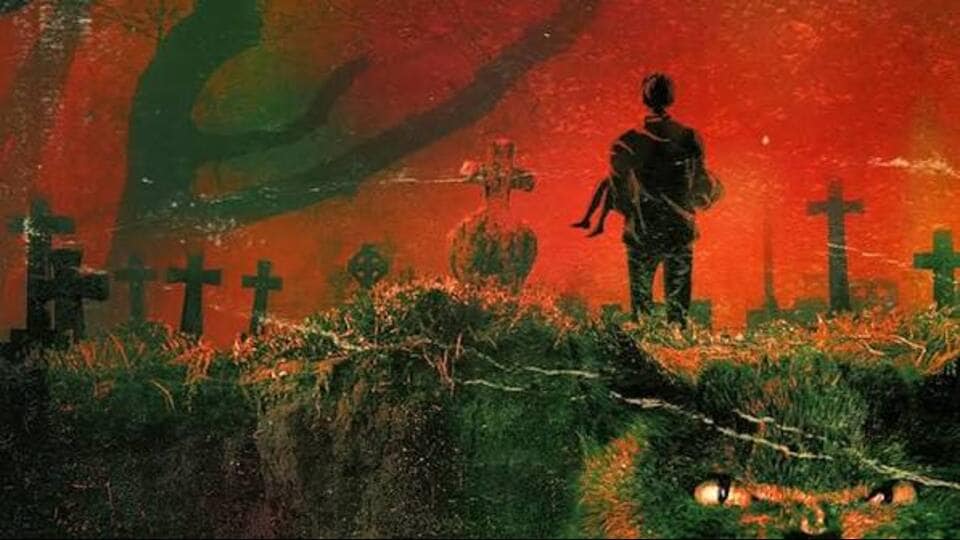
‘It isn’t his monsters we fear, but the questions they raise,’ says Caroline Bicks, author of a new book on him. Questions like: What do we love? How far will we go? And: What do we owe the people we love when a monster turns up at the door?
Stephen King has been writing for a long time.
His first story, I Was a Teenage Grave Robber, was published 61 years ago, in 1965. His first novel, the bestselling Carrie, was released in 1974; he was 26 years old.
In his memoir, On Writing (2000), he described his routine as 2,000 words a day, every day.
King is now 78. He has written 66 novels / novellas, over 200 short stories, and five non-fiction works (dealing largely with elements of horror).
Stacked on top of each other, they’d reach the height of a young giraffe, or the hoop on a basketball court.
King often downplays his significance and influence, calling himself, among other things, “America’s schlockmeister” (essentially, the literary equivalent of a burger and fries). But his books retain their appeal and longevity, not just because of the scary monsters they contain, but because of the things those monsters threaten.
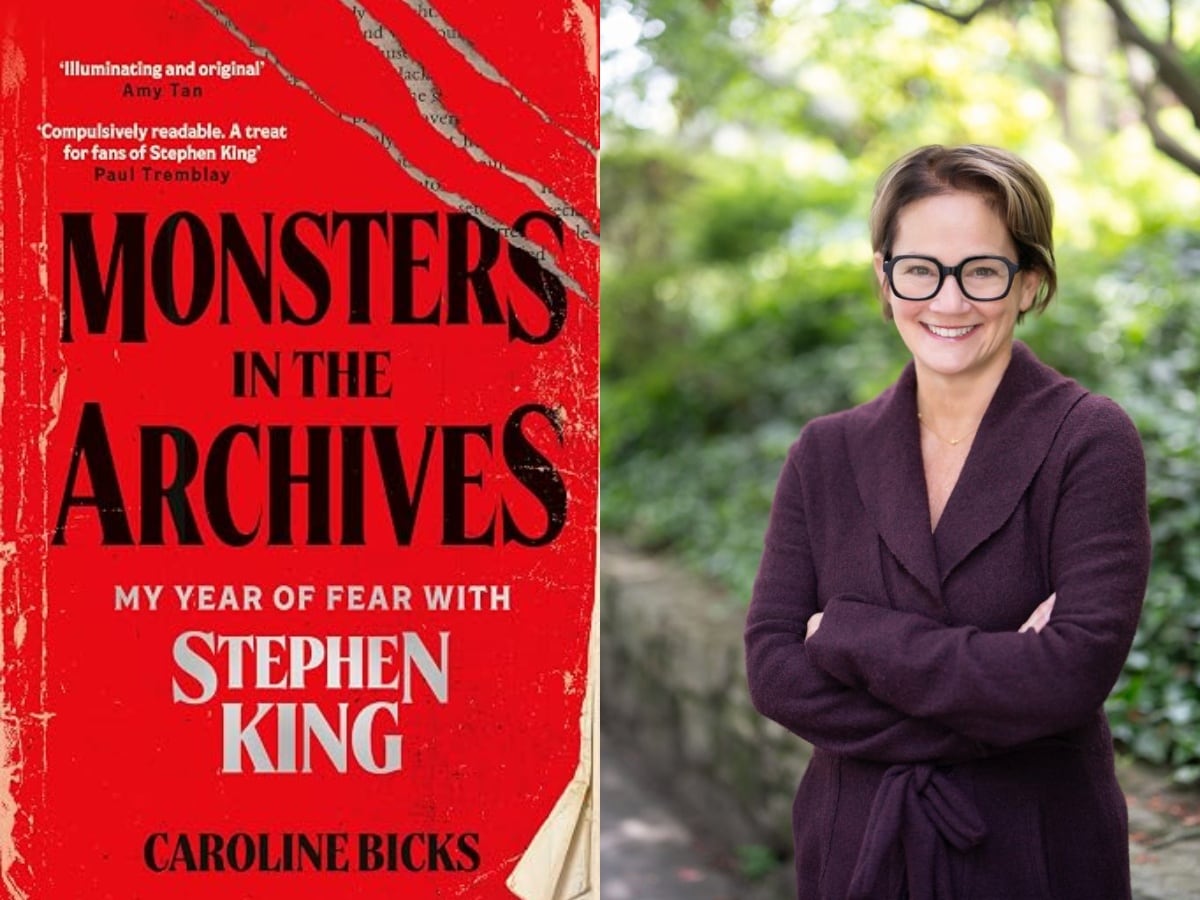
That’s the idea that sits at the heart of Monsters in the Archives: My Year of Fear with Stephen King, the new book by University of Maine’s Caroline Bicks (naturally, the Stephen E. King Chair in literature there). Bicks, 59, spent a year with unprecedented access to King’s manuscript archives.
She went looking for craft and found plenty. She also found grief.
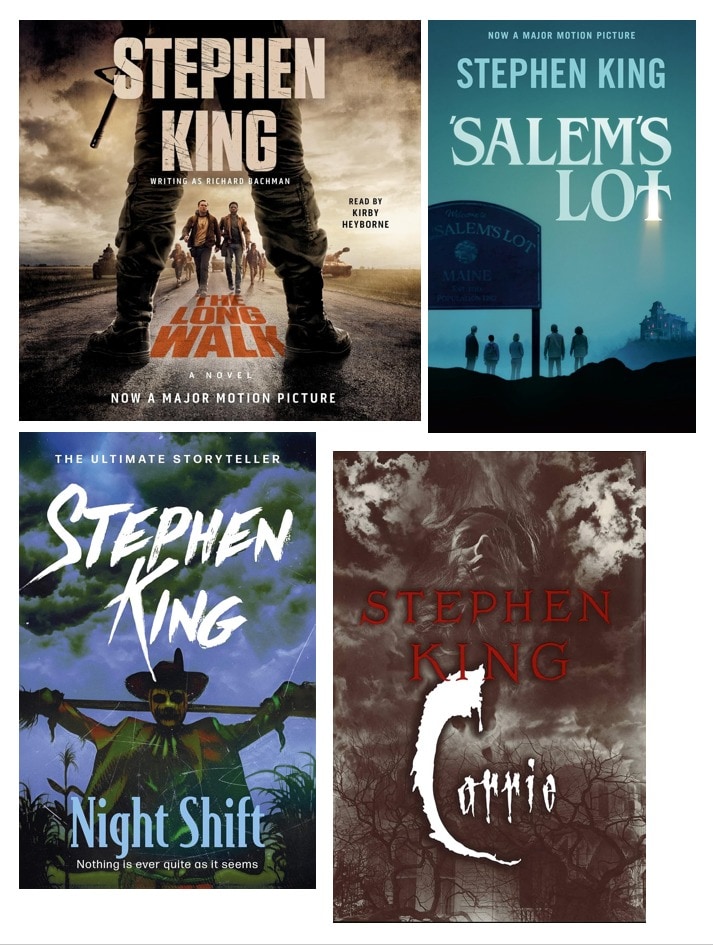
Studying early drafts of his novels from the ’70s and ’80s (Carrie, The Shining, ‘Salem’s Lot, Night Shift, and Pet Sematary), she watched King’s fiction return again and again to a single wound: the loss of a mother.
(King lost his mother, Nellie Ruth King, to cancer when he was 25; she was 60). It’s a motif she says she never set out to find; it simply emerged, in one draft and then the next, until it became impossible to ignore.
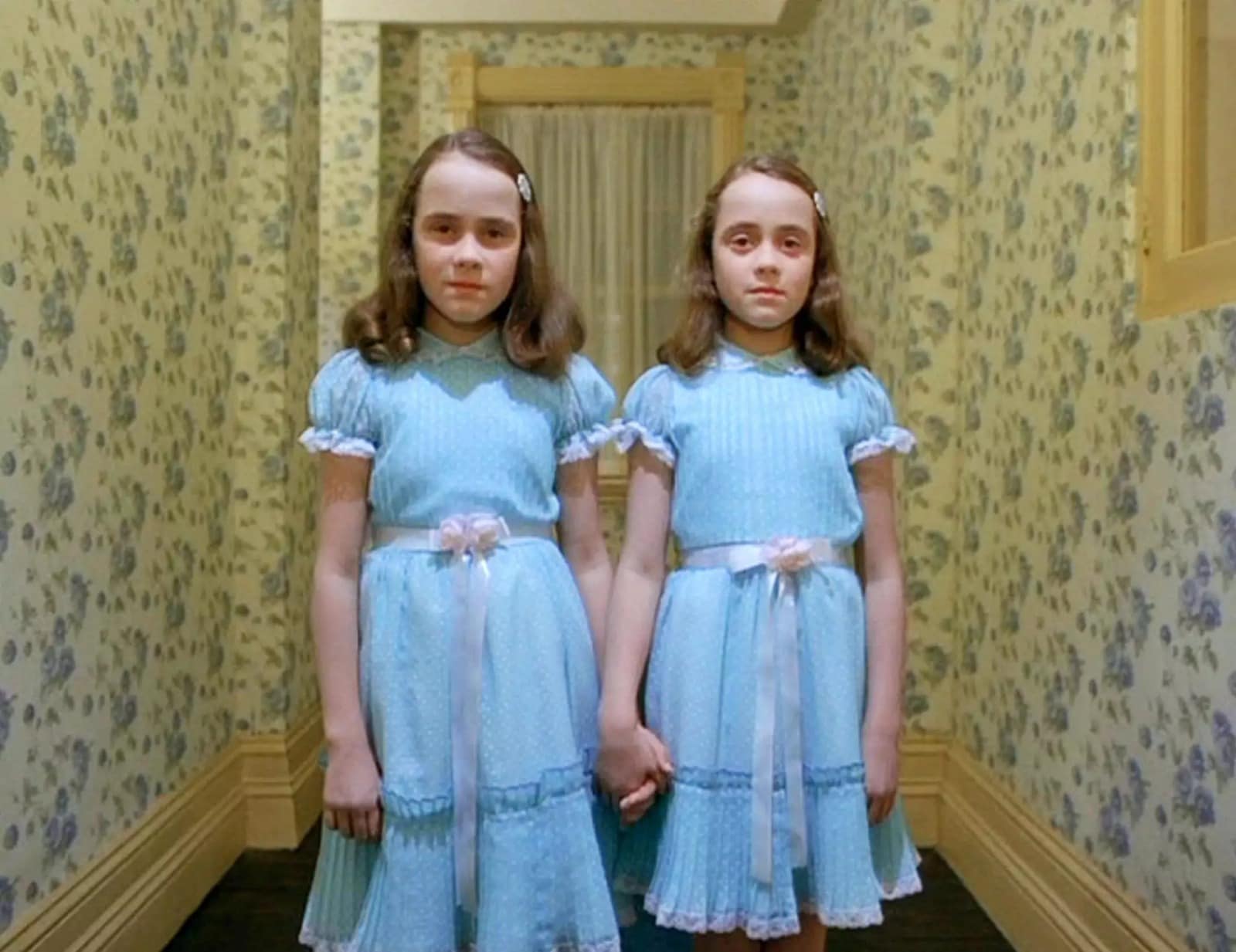
This pattern helps explain why the horror that endures from King isn’t the visible kind. It’s the fear that someone you love will be taken from you, and that nothing — not faith, willpower or a pet cemetery built on cursed ground — can ever bring them all the way back.
What emerges, from the archive and from the screen, is a writer less interested in what frightens us than in what we can’t stop loving, and what such love can cost. Fifty-two years after Carrie, King’s most durable trick isn’t the monstrous hotel or the killer car. It’s the ordinary, unbearable fact that everyone we love is eventually lost to us.
Excerpts from an interview with Bicks, on her year with Stephen King.
* How did this all come about?
I came to the University of Maine about nine years ago as a Shakespeare scholar, not a horror scholar. The chair was endowed in Stephen King’s name, but that was because he was our most famous alumnus.
This book developed four years into the job, when he called me and I started to get to know him. I’d always been a King fan. I was really intrigued by the opportunity to go into his archives. They had never let anyone in there for extended amounts of time before.
I thought: This is what I love to do — study language and study how great works get written. His books have stayed with me 40 years after I read them. I wanted to understand why. How did he do it?
* One thing we often forget is that he wrote novels before Carrie. They just weren’t published until much later. He was only 18 when he wrote The Long Walk (1979; about a dystopian alternative US ruled by a totalitarian regime).
He wrote The Long Walk during his freshman year of college. And what’s extraordinary is that, when I read it for the first time this year, I noticed he was quoting Andrew Marvell, the 17th-century poet. He’s always been thinking about poetry, and about sound… He knows exactly how to take a simple sound like “oh” and stretch it into something much more unsettling.
We actually had a wonderful exchange a while ago about ‘Salem’s Lot (1975; a man returns to his hometown to discover its residents are turning into vampires). He told me he was reading a great deal of James Dickey’s poetry when he wrote it, and it influenced those beautifully lyrical chapters… where the town itself almost becomes a living presence, that has its own secrets and knows how to keep them. So even back then, he was thinking about poetic language and poetic sound.
* When did you first realise that King wasn’t simply a pulp writer?
I’d say it probably happened when I read The Body (1982), and later watched the film adaptation, Stand by Me (1986; four boys go looking for a teenager who has gone missing and is presumed dead). That’s such a deeply human story. It’s really about friendship. There’s that famous line: “I never had any friends later on like the ones I had when I was twelve.” I think that’s probably the work that made me appreciate another side of his writing.
Then, while I was researching this book, I reread Night Shift (1978; King’s first short-story collection) and I’d forgotten it ends with The Woman in the Room (about a man who decides to euthanise his terminally ill mother). I remember thinking: What’s a story like this doing in a horror collection?
That was really the moment when everything clicked for me. I began to understand that King wasn’t simply writing about monsters. He was writing about our deepest fears: grief, mortality, and losing the people we love. Those are the things that truly frighten us.
* So much of horror is about death. And yet, in Pet Semetary, the metaphor of Oz the Great and Terrible suggests that death is a fake, that Oz is a fake, like the man behind the curtain…
That’s interesting because in our final conversation, we ended up talking about death. Stephen said something like, “What if that’s all there is? What if you die, and then there’s simply... nothing?”
We imagine death to be this enormous, terrifying, all-powerful force. But what if, in the end, it is simply nothing? No great revelation. No grand judgment. Just an ending.
That’s an extraordinarily frightening idea. Oz the Great and Terrible turns out to be just a man behind the curtain. A fraud. Perhaps death is similar. We’ve built it into something immense and overwhelming, but perhaps it is far more ordinary…
I’ve been reading George Saunders’s new novel, Vigil, which wrestles with some of the same questions about what, if anything, comes after death. I think Stephen has been thinking about those questions for a very long time.
* When reading The Shining, the references to Hamlet immediately stand out. In Carrie, King explicitly invokes Macbeth. Has the influence ever worked in the opposite direction? Do you ever read Shakespeare and think of something King wrote?
Absolutely. One of the things I appreciate more now is that those genre boundaries don’t really mean very much. Shakespeare was one of the original horror writers. Think of Titus Andronicus, which was also enormously popular in its own time.
Audiences have always loved blood, violence and terror in stories that push emotional boundaries.
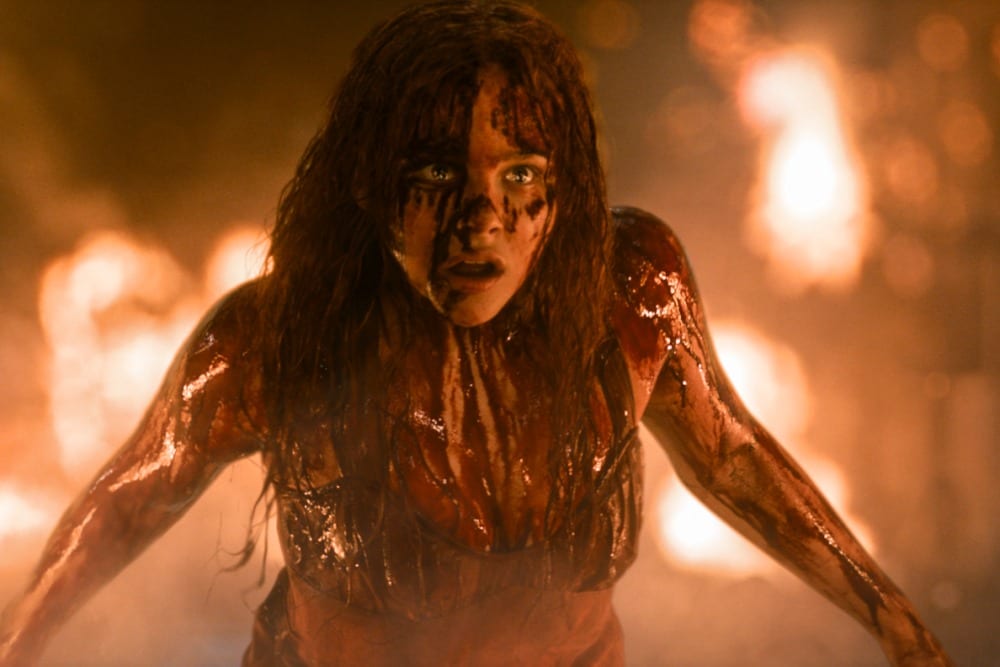
I feel fortunate that I can teach courses where I bring Shakespeare and Stephen King together. Even before I met Stephen, when I first arrived at the University of Maine, I taught a course called Horror and Humanity. We read Carrie (1974; about a tortured friendless teen who discovers she has special powers) alongside Macbeth because I wanted students to think about the questions both works are asking. What are the limits of humanity? How does fear turn someone into a monster?
When I think about Macbeth, what strikes me is that his terror begins almost as soon as the witches tell him he will become king. He is frightened by his own imagination. He is already imagining murdering Duncan. I found myself thinking about Carrie in much the same way. At what point does she begin to detach from her own humanity? What makes a person capable of committing terrible violence?
One of the fascinating things about studying the manuscripts was watching Stephen gradually move away from the more graphic comic-book horror. The earliest draft portrays Carrie almost as an alien. She sprouts horns. She revels in her power. You really can’t feel sorry for her. But as he keeps rewriting, you can actually watch him developing empathy for her.
* What other evolutions did you spot in the archives?
What fascinated me was realising that, while he was drafting Carrie and ‘Salem’s Lot, he was also writing all these short stories that he was trying to sell to men’s magazines. He and (his wife, the writer) Tabitha King desperately needed money. So those early drafts naturally have more of that short, sharp, visceral horror; stories such as Children of the Corn (first published in 1977 in Penthouse) and Graveyard Shift (1970; Cavalier magazine).
As he gradually moved away from having to write simply to pay the bills, I think he gave himself permission to lean into longer, more psychological narratives. But I don’t think he had to learn how to do that. The Long Walk, which he wrote at 18, proves that he already knew.
* Did you notice any other changes, in those early years?
Well, when Stephen is writing many of the Night Shift stories, he isn’t a parent yet. By the time he’s writing Carrie, his children are still very young. Then he writes The Shining (1977; a man in a haunted hotel turns into a monster who threatens his family), which grows out of a nightmare he famously had about a firehose chasing his son in a hotel corridor. Then comes Pet Sematary (1983), written while the family was renting a house beside a dangerous road, where another son nearly ran into traffic. You begin to wonder whether becoming a father of three fundamentally changed the fears that animated his fiction. I think that’s inevitable. Parenthood changes your relationship with fear.
.
SHINING STAR: THE LIFE AND TIMES OF STEPHEN KING
* Stephen King, 78, was born in Portland, Maine, to a travelling salesman of vacuum cleaners named Donald Edwin King and Nellie Ruth King. His father left the family when King was two. Nellie Ruth worked multiple jobs, including as a caregiver, to support herself and her two sons, Stephen and his elder brother David.
* King began writing when he was about six, copying out stories at first from comic books. It was his mother who suggested he write tales of his own. In his memoir On Writing (2000), he recalls “an immense feeling of possibility at the idea, as if I had been ushered into a vast building filled with closed doors and had been given the key to open any I liked”.
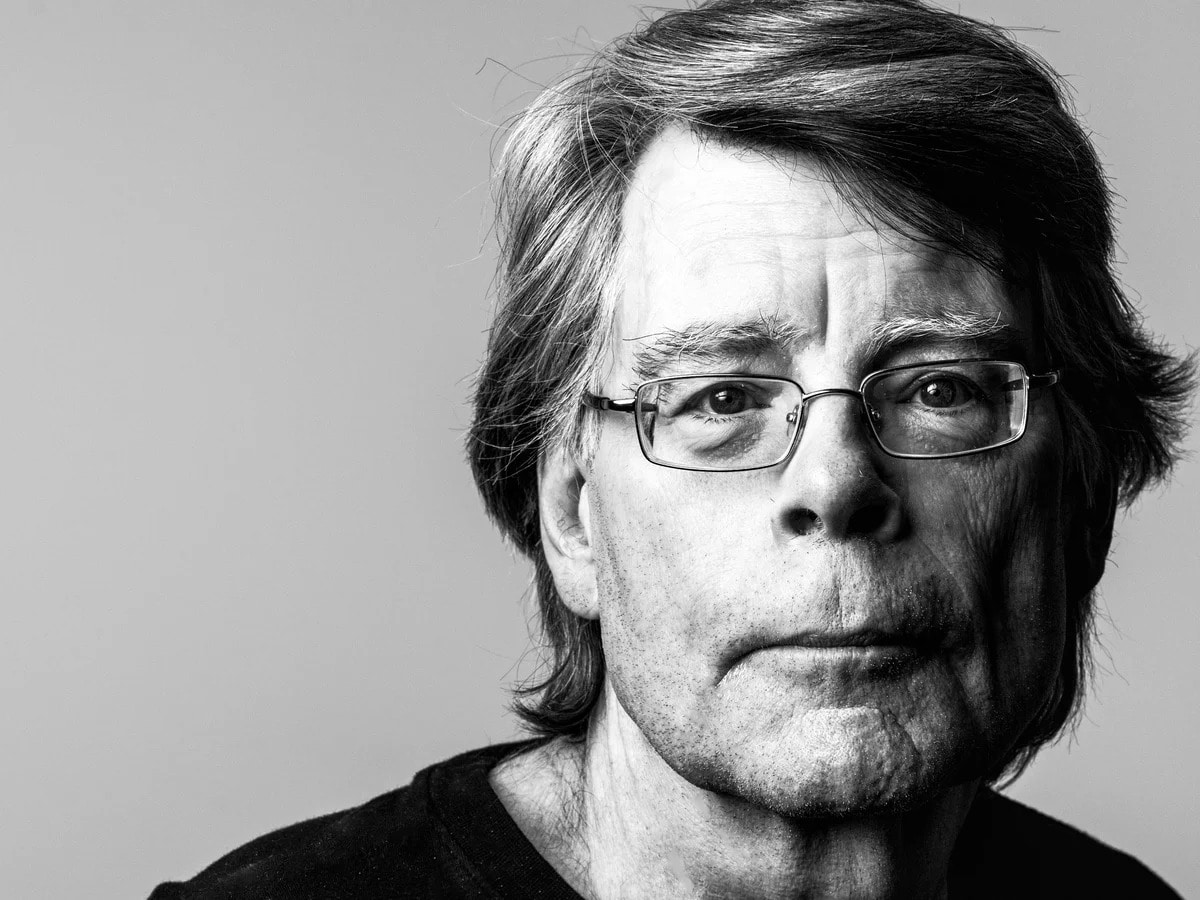
* In 1966, he secured a scholarship to study English at University of Maine, which is where he met his wife, future author Tabitha Spruce. A year later, he began selling stories to magazines. When he graduated in 1970, he was unable to find a job as a teacher, so he worked for a while at an industrial laundry.
* He began teaching English in a high school in Maine in 1971. He and Tabitha Spruce married the same year. Around this time, he also began work on his debut novel, Carrie.
* Amid growing fame, the 1980s saw him struggle with addiction. In his memoir, he writes of barely remembering writing Cujo (1981; about a dog who contracts rabies and goes on a killing spree). King has been sober since a family intervention in the late 1980s.
* King is today one of the most-adapted living authors of his time, with over 100 films, TV series and miniseries based on works ranging from Carrie, The Shining, Pet Sematary and It to the lesser-known Mr Mercedes, Christine, and Doctor Sleep.
* He and his wife live largely in Maine. They have three children, Naomi, Joe and Owen; and four grandchildren.


