
 E-Paper



Discovering a calligraphic beauty
A manuscript that was recently found in the British Museum could change how scholars look at works by earlier historians of Delhi

 Prefer HTon Google


Forgotten inscriptions carry matter-of-fact descriptions of temples, shrines, mosques, mausoleums, forts, bastions, city walls, parks, gardens, wells, lakes, rivers, houses, markets, stray graves and pleasure spots. These inconspicuous depictions provide authentic information and dates essential to cull out the details of the structures. Bereft of rhetorical flourish, they throw light on unremembered events or people, provide missing links in the chronology of rulers, and turn our attention to inconsistencies and contradictions in historical works.
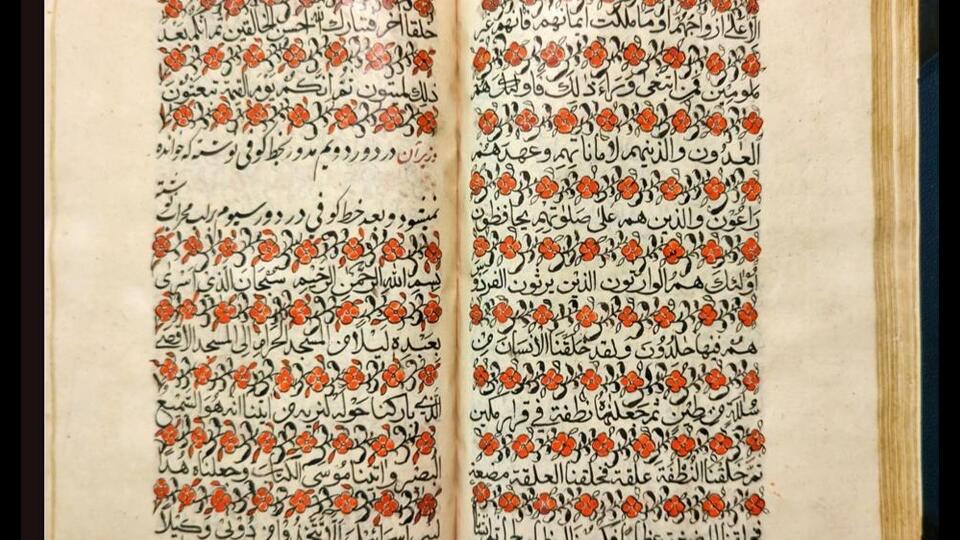
That’s why it’s such good news that a list of epigraphs, covering a variety of medieval monuments and compiled in 1817, was recently discovered by cultural historian and translator Ather Farouqui in the British Museum, London.
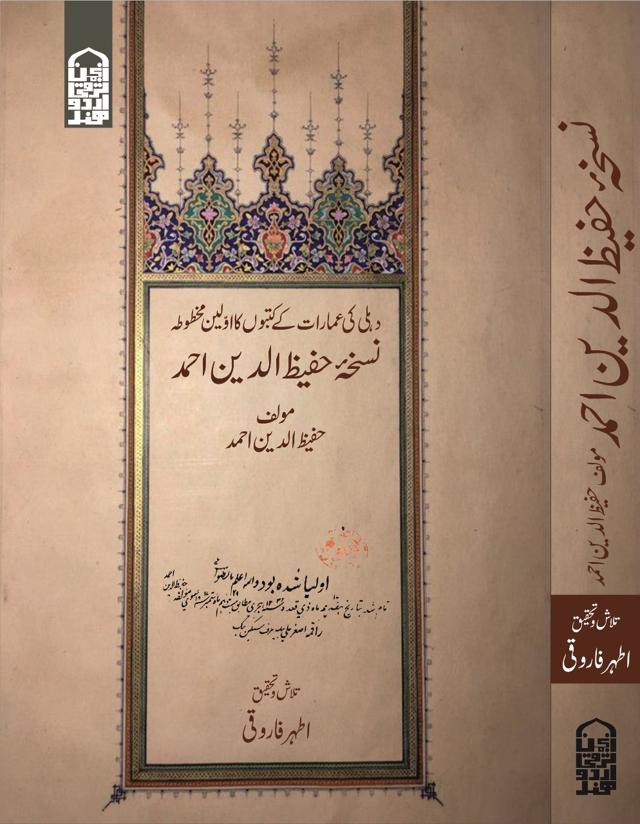
Scholarship about the cultural inheritance of the Delhi Sultanate (1296-14060) and the Mughal (1526-1858) periods owes much to Sir Syed Ahmad Khan (1817-1898)’s Asar-Us Sanadid (The Remnants of Ancient Heroes,1847) and Mirza Sangin Beg’s Sairul Manazil (1821). The newly discovered manuscript that was compiled by Hafeez Uddin Ahmad will undoubtedly prompt scholars to review works by earlier historians of Delhi.
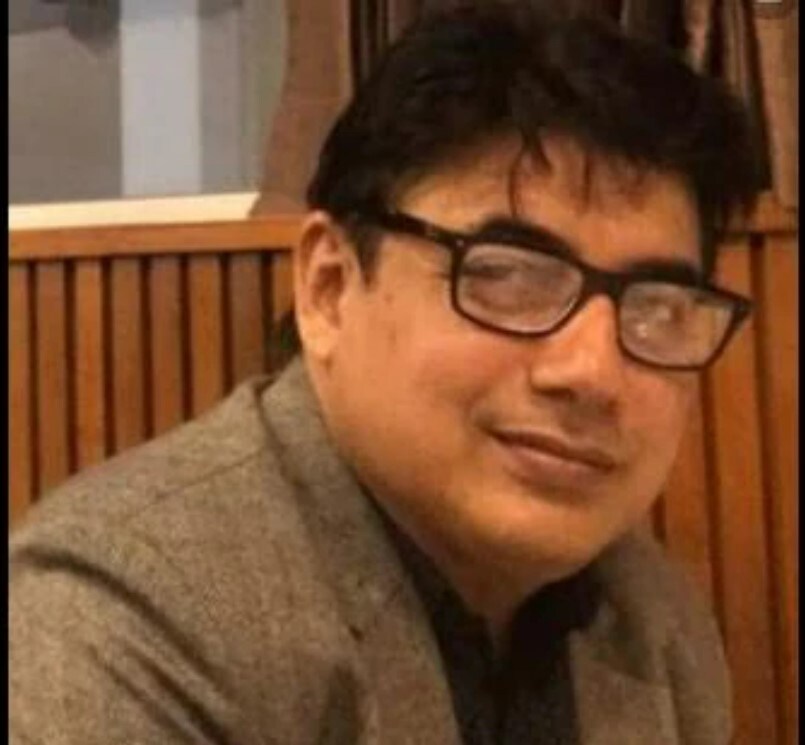
Ather Farouqui, who has translated several important Urdu books on Delhi into English, points out that the manuscript, which has no details of the author, and carries inscriptions of the historical buildings of Shahjhanabd and old Delhi, provides accurate and reliable details unavailable in earlier records. He believes this is the first compilation of epigraphs of Delhi buildings that was calligraphed by Sangin Beg, the author of Sairul Maanzil, in 1817. Sairul Maanzil, earlier believed to be the first document of the inscriptions of Delhi, was completed in 1821. Noted scholar Shareef Hussain Qasmi edited and translated Sairul Maanazil in 1982 by consulting three manuscripts available at the National Archives, Red Fort and the British Museum. He had chanced upon the name of Hafeez Uddin while browsing the catalogue of Persian manuscripts at the British Museum.
Not much was known about Hafeez Uddin but Farouqui has found some details. According to him, it was Hafeez Uddin who rendered Abul Fazal’s (1551-1602) Persian translation of the Panchatantra into Urdu. An Urdu and Persian teacher at Fort William College, his translation, KhirdAfroz, was completed in 1803. Later, he was appointed as an assistant to Charles Theophilus Metcalfe (1785-1846), the resident of Delhi. Qasmi believes Hafeez Uddin lived in Delhi for around 15 years, and compiled the epigraphs at Metcalfe’s insistence. The collection was then calligraphed in various styles by Mirza Sangin Beg. Willam Fraser (1784-1835), agent to the governor-general of India and a great admirer of Mughal culture and Mirza Ghalib’s poetry asked Beg, an employee of the British, to prepare a comprehensive list of the inscriptions etched on the monuments of Delhi. In response, Beg produced titled Sairul Manazil, an authentic and illustrative document, which was rendered into English in 2018 by Nausheen Jaffery and Swapna Liddle.
But there is more to the story. Sir Syed (1817-1898), founder of the Aligarh Muslim University, produced several books and edited two seminal historical texts, the Aine Akbari by Abul Fazal, Akbar’s court historian, and Tuzuk e Jahangiri , the autobiography of Mughal Emperor Jahangir. He took a keen interest in structural designs, cultural and religious practices and literary traditions and brought out the voluminous Asar us Sandid (The Remnants of Ancient Heroes), which provides an exhaustive list of inscriptions, localities, tombs, shrines, social and cultural activities, and anecdotal illustrations of prominent people of Delhi. Farouqui points out that the book, which appeared in 1847, reproduced inscriptions culled by Hafeez Uddin and Sangin Beg without acknowledgement. Further, he states that an eminent prose writer and scholar, Imam Baksh Sehbai (1802-1857), wrote a substantial part of it -- something that Altaf Hussain Haali, Sir Syed’s well respected biographer had pointed out. It appears that Sangin Beg, the calligrapher hired by Hafeez Uddin, prepared a separate manuscript. Hafeez Uddin’s own manuscript was completed well before Sangin Beg and Sir Syed’s efforts bore fruit. While Ather Farouqui has a point, he seems too harsh on Sir Syed.
The latter’s book carried several new inscriptions and omits some epigraphs used by Hafeez Uddin and Sangin. Sir Syed was a passionate collector of historical artefacts and items and this is not the only one of his books that discusses Delhi’s archaeological and historical details. According to Nadeem Razavi, former director of the archaeology section of the Museum of the Aligarh Muslim University, the rare items displayed there are from Sir Syed’s own collection. This aside, Farouqui deserves accolades for publishing this rare manuscript that will improve our understanding of the cultural geography of Delhi.
Shafey Kidwai, a bilingual critic and author of Sir Syed Ahmad Khan; Reason, Religion and Nation, teaches at Aligarh Muslim University.
-


