
 E-Paper



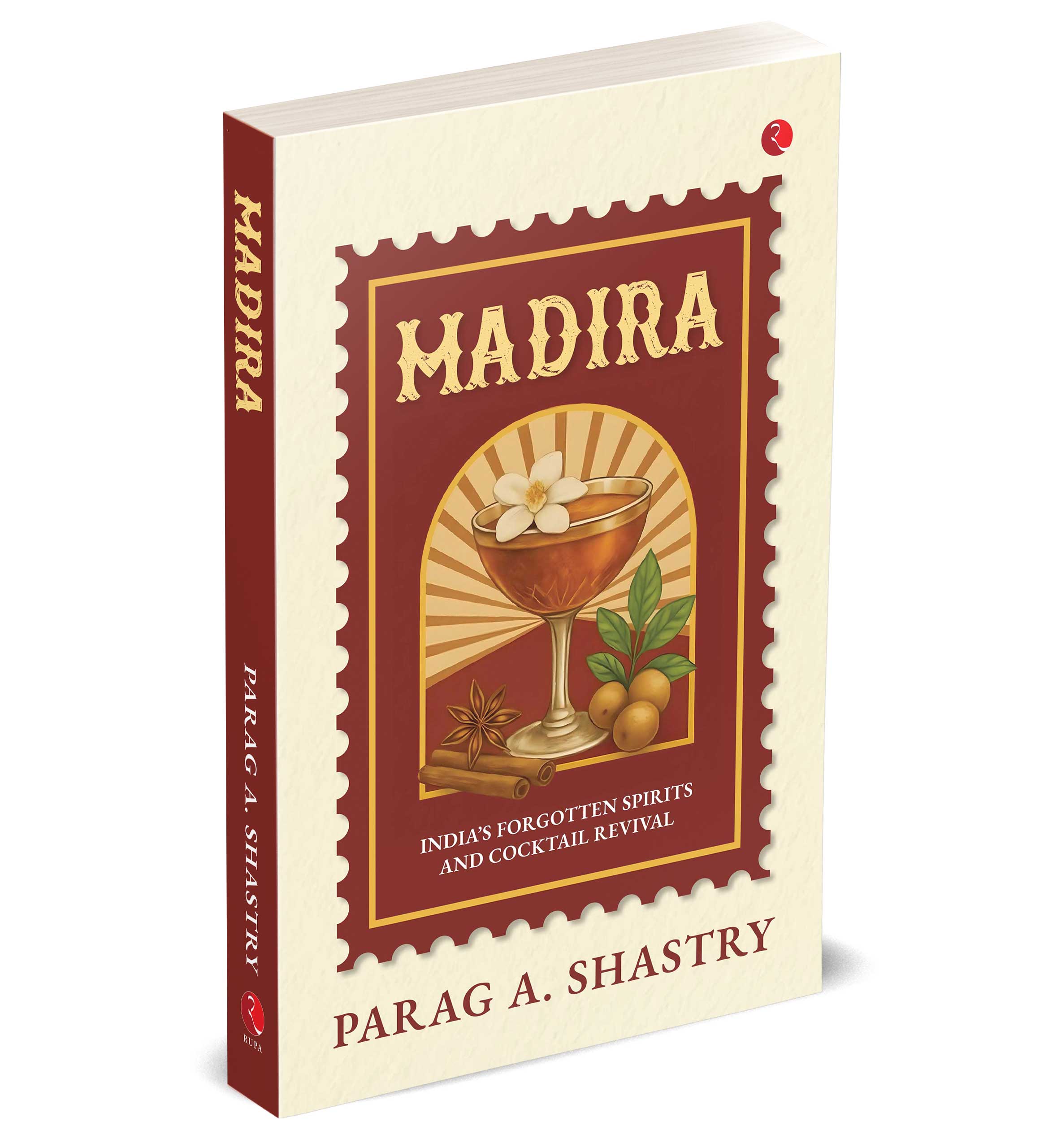
Excerpt: Madira; India’s Forgotten Spirits and Cocktail Revival
This extract includes a selection of two of the wonderful recipes included in it

 Prefer HTon Google


This story starts not with the clink of ice or the splash of spirits, but with silence —the quiet absence of something precious. It begins with what was once celebrated and then suppressed, cherished and then nearly forgotten. Before cocktails were shaken and stirred, Indian drinking was ceremonial — rooted deeply in ritual, identity, and reverence. Our spirits weren’t merely beverages; they were invocations. They carried memory, heritage, and a sense of belonging.
This chapter revisits that silence, retracing the journey from pride through erasure, and lays the foundation for revival. To truly appreciate what we’re rediscovering, we must first remember a time before whiskey touched our shores.
Once Upon a Time, There Was No Whiskey
Long before mixers lined bars and imported liquors arrived by the crate, India spoke a different drinking language — distinctly regional, profoundly ritualistic, and quietly confident.
In royal courts, drinks steeped in saffron were poured from silver goblets, reflecting status and sophistication. Along southern shores, toddy was tapped fresh at dawn, passed hand to hand with the easy intimacy of village gossip. Across tribal heartlands, flowers, fruits, and grains fermented quietly without recipes, guided solely by intuition.
In Arunachal, rice beer wasn’t just a drink; it marked life’s celebrations. In Odisha, fermented brews honoured seasonal harvests, deeply tying community to land. And in Chhattisgarh, mahua wasn’t merely a spirit — it was sustenance, devotion, livelihood, and song.
We were never casual drinkers. Our traditions were intentional, layered, and inventive. Each beverage carried meaning, context, and cultural pride. They were not commodities; they were communal offerings — each pour an act of storytelling.
The Great Erasure
Then came the British — and with them, a new gospel: if it wasn’t bottled in Europe, it wasn’t worth drinking. They did not just import spirits, they imported judgement. Local brews were criminalized, taxed, banned. Indigenous distilleries shut down. Toddy tappers became outlaws. What was once sacred was now ‘illicit’.
Over generations, we learned to look down on our own spirits. Mahua became the ‘poor man’s drink’. Feni was relegated to holiday souvenirs. Arrack was pushed into the shadows.
In their place came Scotch, gin, and rum—symbols of sophistication. We weren’t just robbed of our drinks—we were robbed of our pride in drinking.
The Comeback: A Cocktail Renaissance
History moves in circles, and eventually, it brings us home.
Today, India is experiencing a quiet yet powerful renaissance — reclaiming the cocktail culture that was always ours. From the stylish backbars of Bandra to hidden speakeasies in Goa, a new generation of bartenders and drinkers is rediscovering spirits that had once been pushed aside.
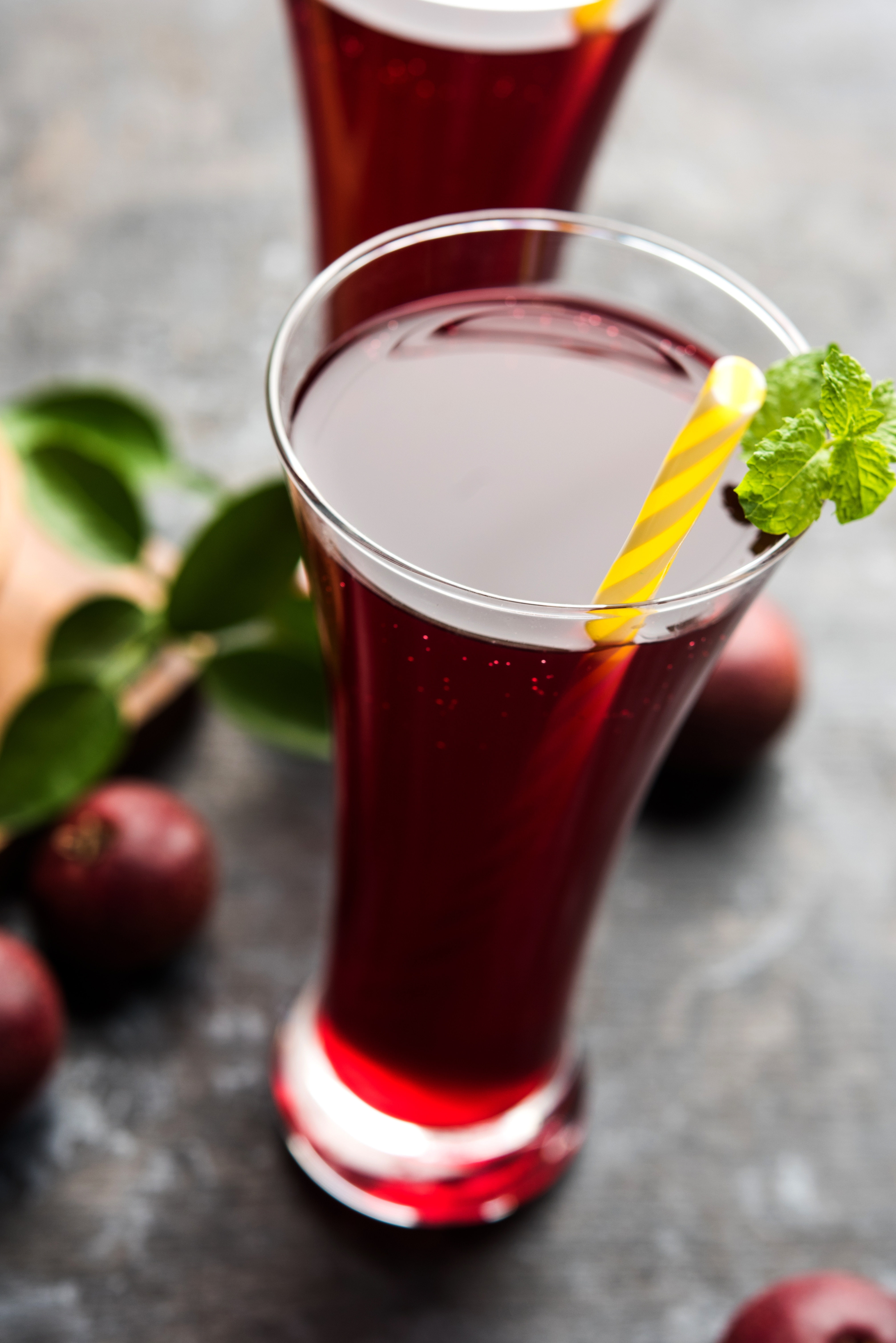
Mahua is now being cold-distilled and elegantly bottled like a fine fragrance. Goan feni ages gracefully in teak barrels, making its way into sophisticated Negronis. Ingredients once dismissed as merely ‘local’ — Gondhoraj lime, kokum, tulsi, jaggery, tamarind — have become the soulful heart of the modern Indian cocktail.
We’re no longer looking outward for inspiration. We’re defining our own tradition, creating a distinctly Indian cocktail canon — rich in heritage, bold in creativity, and authentic in every pour.
Why This Book Now
Madira is more than a collection of cocktail recipes; it’s a living document of revival.
Think of it as part drinker’s diary, part cultural exploration, and entirely a celebration of the senses. Inside, you’ll find cocktails inspired by temple offerings, roadside stalls, royal kitchens, hidden forests, and festive gatherings. Each recipe is a doorway to an experience — some deeply personal, others carefully researched, many directly witnessed, and a few joyfully imagined.
Yet every cocktail within these pages is bound by a single conviction: India’s indigenous spirits deserve to be recognized, respected, and rediscovered.
… So, here’s to everything we once overlooked: the fermented, the forgotten, the fragrant…
DECCAN SPICE NEGRONI
The Stubborn Spirit of the South
The Story: Dattanna’s Glass, Dattanna’s Rules
At 80, Dattanna still drank.
Not recklessly. Not socially. Just one drink. Every evening. Same glass. Same chair. Same judgemental look at anyone who dared suggest a light beer.
It wasn’t about the alcohol. It was about the ritual.
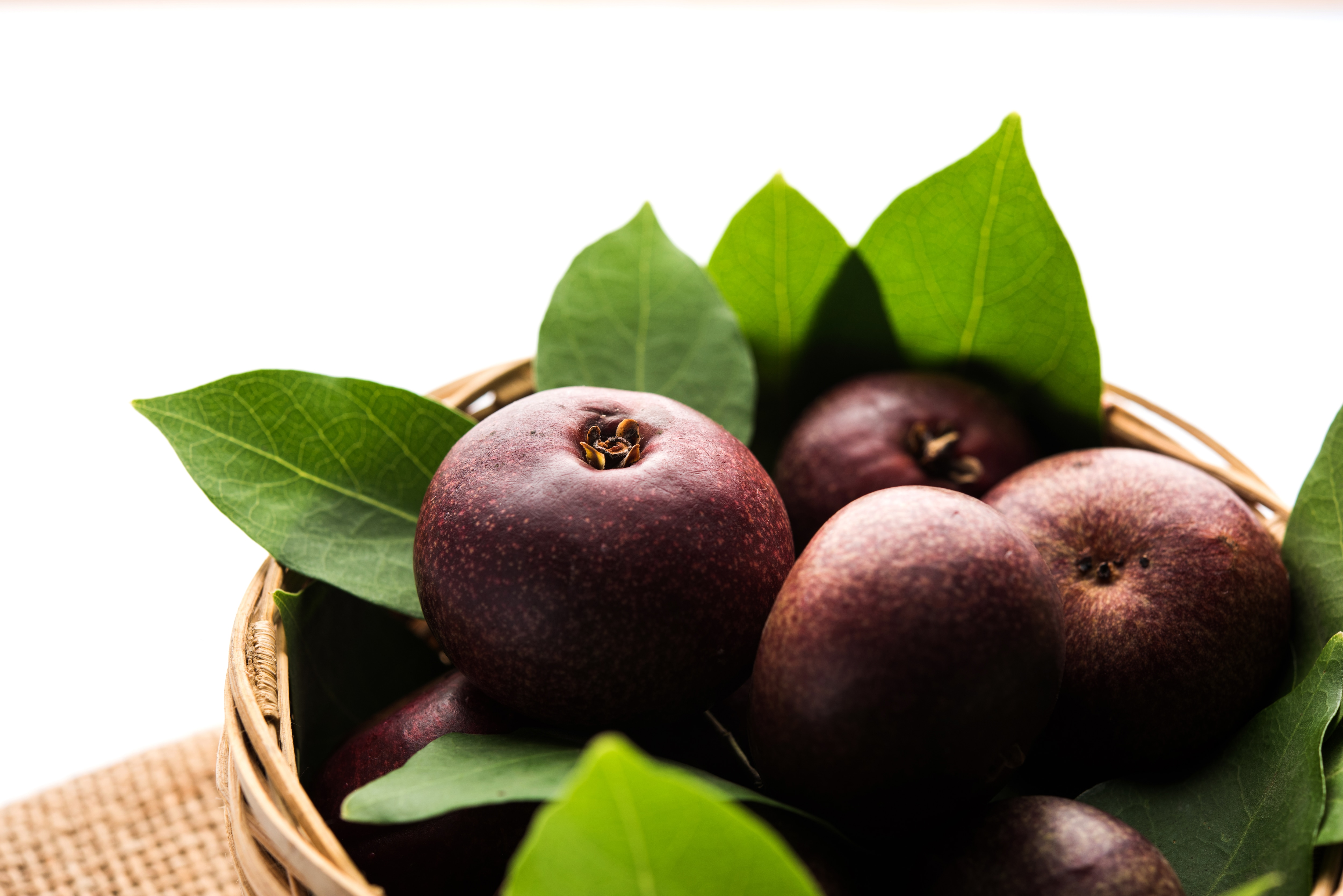
His drink of choice? A Negroni—well, sort of. He had tweaked it decades ago, replacing foreign bitters with dried kokum from the backyard tree and infusing the gin with cinnamon bark his late wife used to drop into her Sunday biryani.
The family called it stubborn. He called it heritage.
‘It keeps me from turning British on the inside,’ He had grumble, swirling the crimson concoction in a glass older than most of his grandchildren.
Every year, they tried to change him.
‘Appa, try this new low-ABV spritz.’ ‘No, Thaatha, we got you this fancy Japanese whiskey.’
‘This year, no drinking — Doctor’s orders!’
And every year, He had nod politely, listen patiently, and at exactly 6:45 p.m., pour himself a Deccan Spice Negroni.
One part gin, one part kokum-syrup vermouth, one part bitter liqueur he had refused to name.
He stirred it without fuss, no shaker, no garnish. Just a sliver of dried kokum sunk to the bottom like a secret he wasn’t ready to tell.
At Diwali gatherings, someone always tried to impress him with a ‘smoked margarita’ or ‘desi Old-Fashioned’.
He had to take a sip, wince, and mutter:
‘Yeh sab drama hai. Real drink toh bite karta hai.’
And that’s what the Deccan Spice Negroni was — sharp, complex, earthy. Like its maker.
When he passed, they found a notebook under his cot. Four pages were blank. The fifth held only one thing:
1. Take what’s foreign.
2. Add what’s yours.
3. Stir with pride.
Now, every year, on his birthday, the family makes a batch. Some still wince at the kokum. But they drink it anyway.
Because no matter what they believe in —
Everyone agrees: Dattanna was right about the gin.
What Makes This Cocktail Special?
Dried Kokum: A bold, tangy twist that replaces citrus and bitters with Deccan soul
Cinnamon-infused Gin: Warm, spicy, and just nostalgic enough to taste like memory
Indian Sweet Vermouth: Blended with kokum syrup or tamarind hint
Unapologetically Red: A hue as bold as Dattanna’s opinions
Stirred, Never Shaken: Because that’s how rebels roll
Ingredients
(Bold, Spiced, and Heritage-Laced)
• 30 ml cinnamon-infused gin
• 30 ml kokum-spiced sweet vermouth
• 30 ml Campari (or Indian bitter liqueur)
• Ice — cubed, no crushed nonsense
• Garnish: Dried kokum slice or cinnamon stick
How to Make It
(Old School, Always)
1. In a mixing glass, combine gin, vermouth, and bitters.
2. Add ice and stir gently—no rush, no show.
3. Strain into a rocks glass over one big cube.
4. Drop a dried kokum slice in the bottom. Let it rest
like Dattanna’s wisdom.
5. Sip slow. Argue faster.
THE FINAL SIP
This isn’t your mixologist’s Negroni. It’s fire and bark, fruit and fight. A cocktail that doesn’t care for fads — only roots. One sip, and you’ll understand why some men never change.
*******
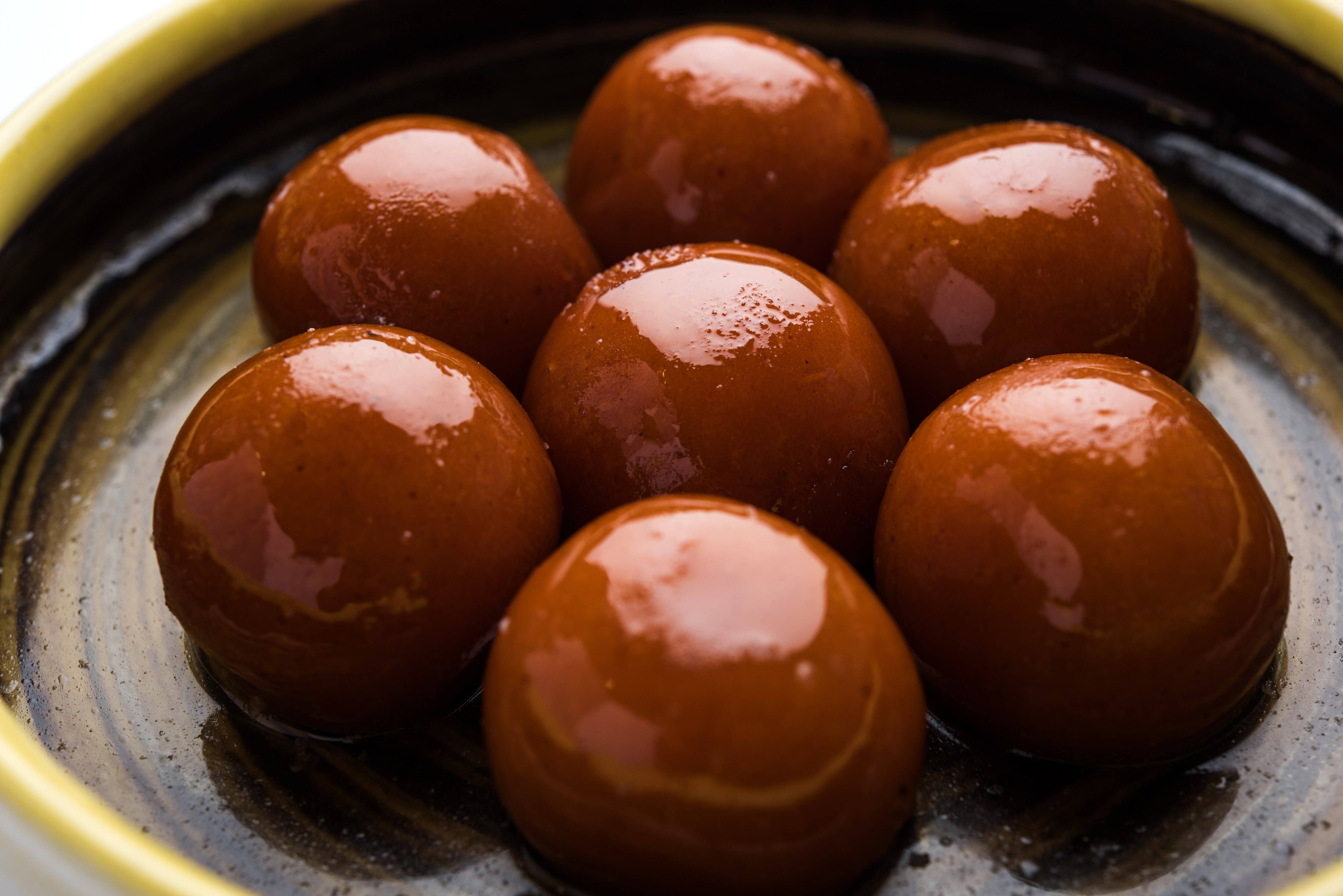
GULAB JAMUN RUM FLOAT
Sweet Sin in a Crystal Glass
The Story: Legacy, Liquor, and a Little Floating Rebellion
The shop had been there for 86 years.
Tucked into a narrow street in North Kolkata, just a few lanes down from College Street, it did not need signage. The smell of hot syrup and cardamom was its own GPS.
‘Mukherjee Mishtir Dokaan’ was famous for two things: its saffron-drenched gulab jamuns and its unwavering refusal to modernize.
That is — until Arindam came home.
Fresh from a mixology course in Singapore and bearing a very un-Bengali tattoo of a jigger on his wrist, Arindam was the third-generation heir to the shop. But unlike his father and grandfather, he saw sugar not as tradition — but as potential.
One night, after helping close the shop, Arindam stayed behind.
The kitchen was quiet. The brass syrup pot still warm. He took a ladle of the rose-cardamom syrup, added a pinch of clove and cinnamon bitters, and poured it over a base of dark, oak-aged Indian rum. Then — because he could not help himself — he floated a single mini gulab jamun in the glass.
It looked ridiculous. It looked rebellious.
It looked perfect.
As he reached for a bar spoon, the old wood door creaked open.
His father stood there. In kurta, yawning.
They made eye contact. Silence.
Then, Arindam handed him the glass.
His father took a long sip. Let it sit.
Then smacked his lips, looked at the jamun bobbing like a moon in molasses, and said:
‘Not bad, beta. Just... don’t serve it to Dadu.’
Arindam laughed. He knew his grandfather would call it sacrilege. Or worse —‘fusion’.
But as his father reached for a second glass, he added with a wink:
‘Relax, Baba. I’ll serve Dadu the sugar-free one.’
His father chuckled — because everyone knew Dadu hated sugar-free anything. But for the first time, between the syrup, the spice, and the slow warmth of the rum —
Arindam’s mishti cocktail did not feel like rebellion. It felt like inheritance — just stirred differently.
What Makes This Cocktail Special?
Mini Gulab Jamun: Not garnish. Centrepiece.
Indian Dark Rum: Bold, oak-aged, and caramel-kissed
Rose-cardamom Syrup: Sweet nostalgia, spiced with heritage
Clove and Cinnamon Bitters: Adds depth and a whisper
of heat
Syrup from Mishti Traditions: Elevated, not erased
Ingredients
(Bold, Sweet, and Bengali-Boozy)
• 45 ml Indian dark rum
• 20 ml rose-cardamom syrup
• 2 dashes clove and cinnamon bitters
• 1 mini gulab jamun
• Ice — one large cube
• Garnish: None. Let the jamun float like a moon
How to Make It
(Late-Night Legacy Version)
1. In a mixing glass, stir together the rum, rose syrup,
and bitters with a large ice cube.
2. Strain into a lowball or coupe glass.
3. Gently float a mini gulab jamun on top.
4. Don’t overdo the garnish. This drink already has a
story.
5. Sip slowly. Let the syrup melt the line between
tradition and twist.
THE FINAL SIP
This isn’t dessert. It’s disruption.
A mishti turned mixology.
A cocktail that says: You can honour tradition —
Even as you pour something new over it.
Parag A Shastry is a storyteller and spirits strategist with a deep interest in mixology and India’s diverse drinking cultures. He is the author of Madira, India’s Forgotten Spirits and Cocktail Revival.


