
 E-Paper



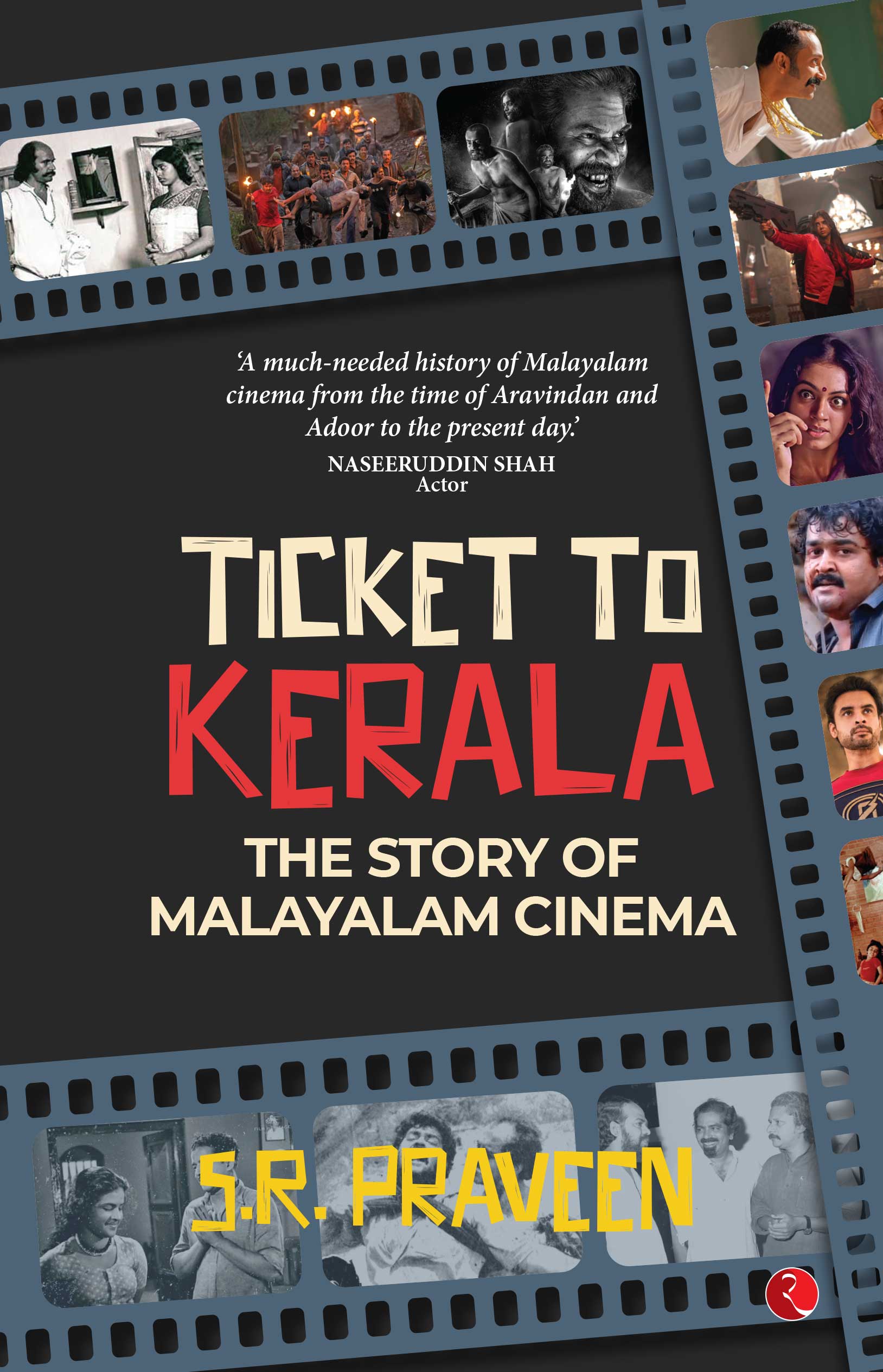
Excerpt: Ticket to Kerala by SR Praveen
This extract from a book on contemporary Malayalam cinema presents the films of the first decade of the century that were forerunners of the vibrant works being produced today

 Prefer HTon Google


A new wave emerges from a hopeless era; The 2000s
Transitions are messy affairs, more so when you are down in a bleak, dark and hopeless place and you spot those first little rays of light after fumbling around for long. It takes a while to get used to the light, to rush forward to it, and be yourself. This whole messiness of the change from the industry’s bleakest phase is visible in what are now considered the first saplings of the current new wave in Malayalam mainstream cinema, be it Ritu (2009), Nayakan (2010), Traffic or Salt N’ Pepper (2011). But it is this very messiness, this uncertainty and circumspection that mark them out as the flag bearers of transition. I specified mainstream cinema since the original new wave in the 1970s only swept through independent cinema, which took its time to seep into the mainstream.
In the late 2000s, change was happening directly in the mainstream, at a time when the crowds had all but abandoned the theatres due to a dearth of anything worth watching. It might seem unbelievable to those who discovered the wonders of Malayalam cinema only recently that one of the biggest hits in the industry at the turn of the millennium was Kinnara Thumpikal, a soft-porn movie, made at a cost of a few lakh rupees but which minted crores at the box office. Its success led to a flood of such movies, which for a time gave Malayalam cinema the ill-reputation of being a major soft-porn producer. The proliferation of never-ending mega serials which ran for thousands of episodes and which kept the audience glued during prime time further compounded the problem, leading to the closure of many cinema theatres.
A bigger problem was the lack of good writers which prevented mainstream Malayalam cinema from overcoming these setbacks. In the 1950s, when the literary figures of those days began writing for films, there was a steady stream of brilliant screenplay writers. The seemingly endless supply of writers began drying up by the end of the 1990s. No one came to replace those who left the scene. Screenplays began to be written with a particular star and his loyal fan club in mind, or using some old tired formulae aimed at making quick bucks at the box office. The short cuts didn’t pay off that well.

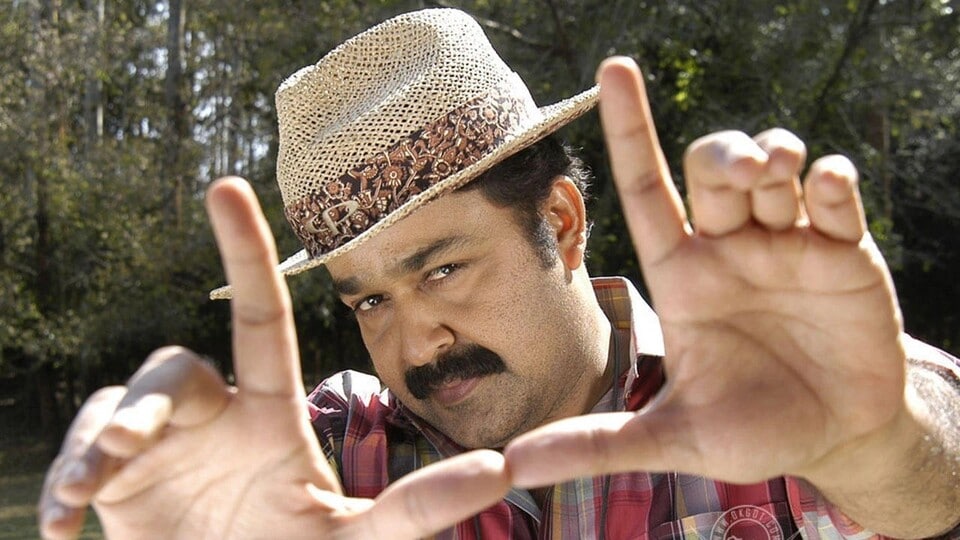
Incidentally, one of the biggest hits during this era was Udayananu Tharam (2005), a film which lampooned many of the ills that plagued Malayalam cinema during those times. Directed by debutant Rosshan Andrrews and written by veteran Sreenivasan (who also acted in the role as a pompous superstar), the satire was directed at the star-driven system that was preventing any daring experimentation in the industry. Ironically, superstar Mohanlal was cast as an aspiring filmmaker with an inspiring script in his hand, struggling to make it big. Although parts of the film were similar to Frank Oz’s Bowfinger (1999), it was a much-needed wake-up call for the industry. Only that it took some more years for anyone to wake up.
Some memorable films were made during the period — including TV Chandran’s Kadhavasheshan (2004), Shyamaprasad’s Akale (2004) and Ore Kadal (2007), Kamal’s Perumazhakkalam (2004), Blessy’s Kazhcha (2004) and Thanmathra (2005), Sathyan Anthikad’s Achuvinte Amma (2005), Anwar Rasheed’s Rajamanikyam (2005) and Chotta Mumbai (2007), Lal Jose’s Classmates (2006), M Padmakumar’s Vaasthavam (2006), Rosshan Andrrews’s Notebook (2006), Amal Neerad’s Big B (2007), Ranjith’s Kaiyoppu (2007) and Thirakkatha (2008), and Madhupal’s Thalappavu (2008) — but these were few and far between.
As said earlier, the transition was not quite smooth. While the films of the emerging new wave imbibed a few of the qualities of independent cinema, be it in their aesthetics or in the kind of subjects they chose, there still was a hangover of the films from the era that preceded it.
One can sense a certain confusion in some of these early films as to how to use the newfound freedom to make the kind of films one wanted. This was most visible in the early films which for a time were branded as ‘new-generation films’, which was not a flattering tag to be associated with. There was something very inorganic about these films, which lacked any kind of conviction in the things that they touched upon. The categorization did not last long, and soon lost currency, with even those who coined it forgetting to use it. While watching these films after a decade or more, some of it doesn’t feel that new, but you understand why it worked back then, as these were drastic departures from what existed till then.
While some cinephiles-turned-filmmakers were a little too inspired from all the world cinema that they watched, often transplanting them as they were in Kerala, slowly a sense of rootedness evolved, paving a way to the kind of films that we are seeing now, representing all the diverse, hyper-local dialects and regions of Kerala — in contrast to the uniform, sanitized dialect of the past. Questions of caste and gender began popping up in these films, in a way also questioning some of the major films of the previous era, which overtly celebrated misogyny and casteist abuse. All the changes in Malayali society thus slowly began seeping into its films too. Emerging from this churn was the Malayalam cinema that we witness today.


