
 E-Paper



HT Picks; New Reads
On the reading list this week is a collection of poems on Hyderabad, a book that traces Bastar’s turbulent past, and a Korean novel set on a disputed planet

 Prefer HTon Google


Poems to a city
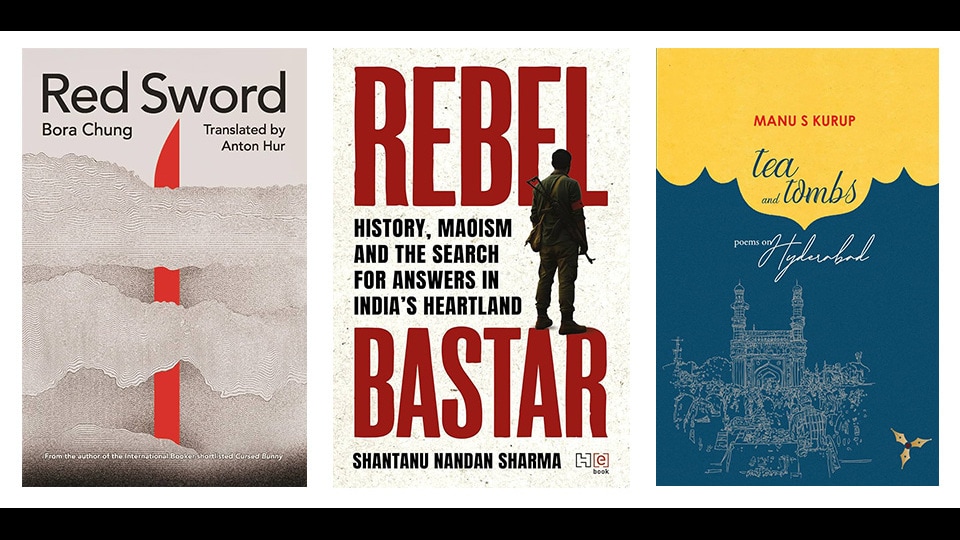
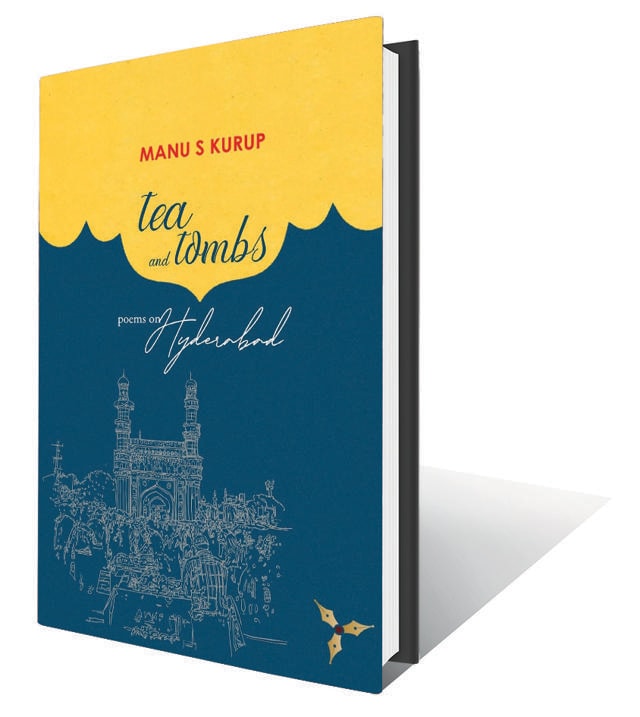
Tea and Tombs is a poetic exploration of Hyderabad’s landscapes of memory, history, language, faith, and daily life. Through monuments, rivers, workers, ghosts, and ordinary voices, these poems depict a city that defies straightforward stories. Intimate yet philosophical, the collection serves as both a tribute to Hyderabad and a reflection on belonging, time, place, and the subtle conversations that persist.
The turbulent past of India’s heartland
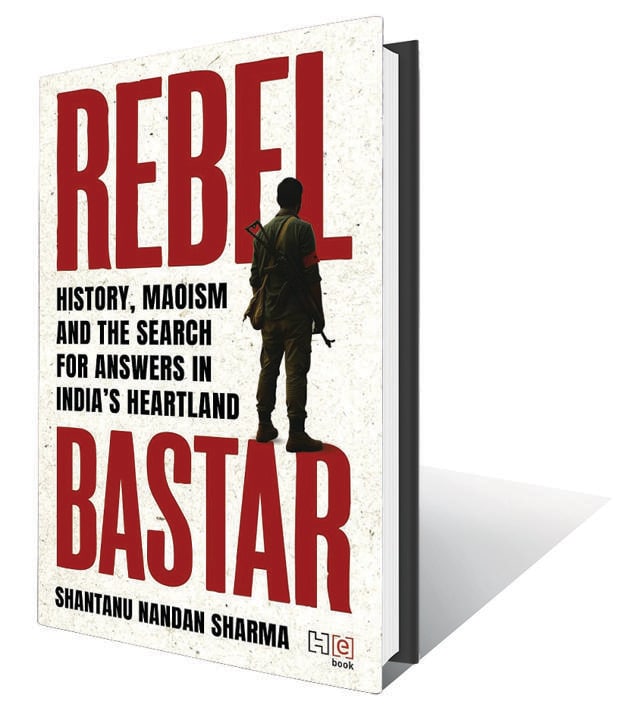
Shantanu Nandan Sharma’s Rebel Bastar raises seminal questions about contemporary India: How did ideological extremism embed itself so deeply within tight-knit indigenous societies? What does the history of the Bastar tell us about governance, land rights and developmental failures? Above all, are we truly past Naxalism or does embers still burn in the dense forests of Central India?
In March 2026, the government of India declared the Maoist insurgency as effectively defeated. A question however still lingers: Why did a foreign ideology find a haven in Bastar for over four decades?
Senior journalist and historian Shantanu Nandan Sharma takes readers into one of India’s most misunderstood regions, a land where tribal uprisings, colonial extraction and administrative failure created the conditions for one of the world’s longest-running insurgencies.
Drawing on years of ground reporting and rigorous historical research, Sharma traces Bastar’s turbulent past – from human sacrifices in Dantewada and British incursions into its forests for teak and minerals, to a beloved prince’s tragic rebellion and the gradual rise of Naxal influence. The Maoist movement, he reveals, is not an aberration but the latest chapter in a centuries-old story of resistance against state power.
Rich in reportage and historical insight, this is essential reading for anyone seeking to understand internal security, democracy and dissent in modern India.*
A slave turns hero
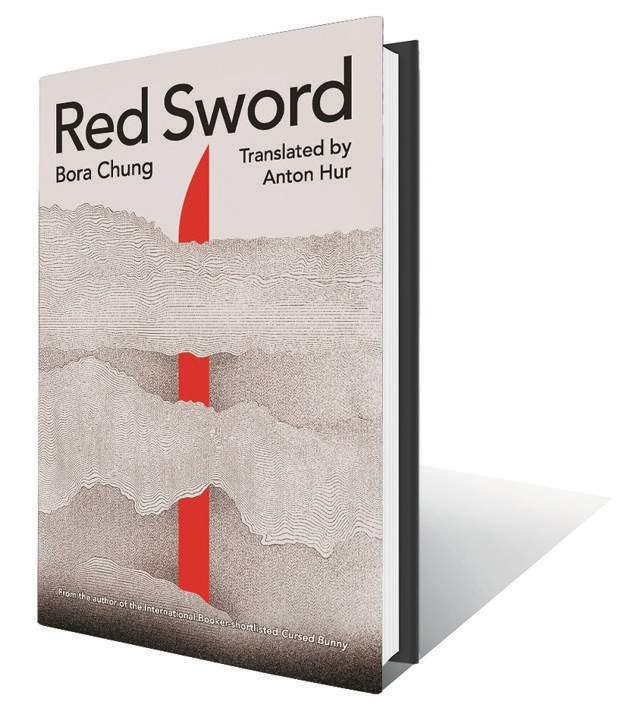
Amid a literal fog of war on a disputed planet, a woman is thrust into battle, forced to fight in her captors’ war. With an empire at her back, ready to kill her at the slightest hesitation, this slave turned reluctant hero must battle through an unknown enemy, scientific abominations, and truly alien terrain to uncover the truth about her identity and that of her enslaved companions.
Chung’s novel — told in sparse, evocative prose and expertly translated by Anton Hur — draws on the real history of Korean soldiers who fought and died in a war against Russia on behalf of the Qing Dynasty. Red Sword combines stunning world-building with a thought-provoking challenge to readers: what does it mean to wield power over others?*
*All copy from book flap.


