
 E-Paper



Financial wisdom is a life skill, say authors of ‘A Kid’s Guide to Money’
A new book combines wisdom from the ‘Arthashastra’ and modern insights to promote financial literacy and ideas of personal financial management.

 Prefer HTon Google


Supermarket checkout? Tap the card. Fuel? Tap the card. Ice cream? Use a digital payment app. With the world rapidly moving to a “cashless” economy, the concept of money has become abstract for children. Seeing their parents tap a credit card or use a digital payment app every time they need to make a payment makes money invisible, intangible, and seemingly always available.

This makes it even more important for children to be financially aware so that they learn to equate credit cards with debt, payment apps with bank accounts, and liken digital spending to using currency notes.
A June 202 OECD report revealed that more than two-thirds of students across the world regularly use financial products and services, but levels of financial literacy remain “too low to ensure they can all avoid financial risks while benefiting from available opportunities”.
Financial experts across the world have spoken about the need to teach financial literacy at a young age so that it becomes a part of everyday life.
According to the World Economic Forum, today’s volatile macroeconomic environment makes children “disproportionately vulnerable to the consequences of rising economic instability. Now more than ever, financial literacy and awareness is essential, especially among children”.
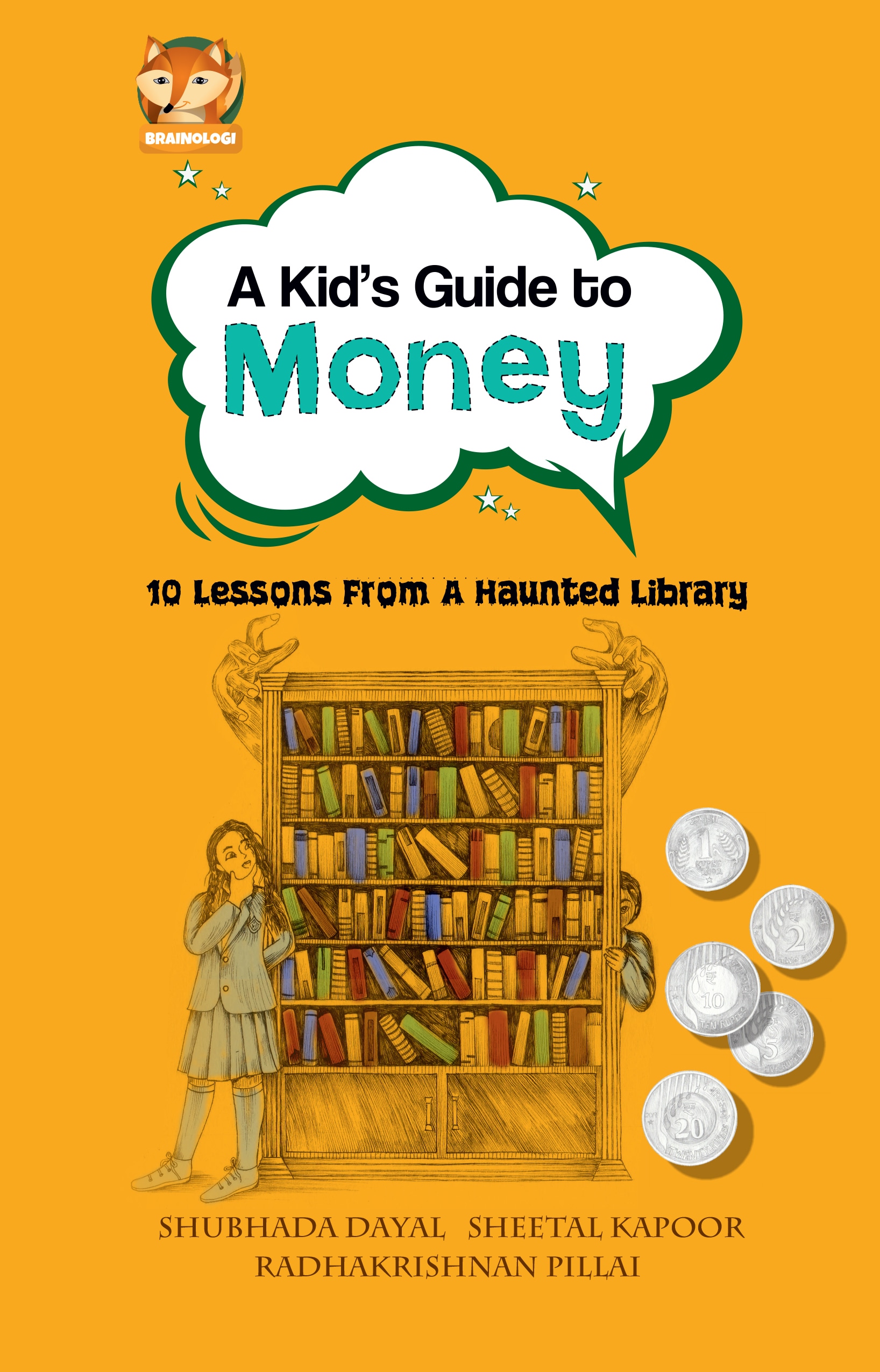
The need to make India’s children, especially those aged 7–12 years, financially literate led a bestselling author, an ex-banker and a teacher to write A Kid’s Guide to Money, which blends adventure and learning as a group of friends discover what money is, why saving matters, and how money grows.
Released this weekend, A Kid’s Guide to Money combines wisdom from the Arthashastra and modern insights. The authors have a wide range of expertise: Radhakrishnan Pillai is the author of Corporate Chanakya and an expert on Arthashastra; Shubhada Dayal is a banker turned publisher, who offers practical and insightful lessons; Sheetal Kapoor, who has three decades of educational experience, has worked to ensure that all the 10 stories deliver their lessons effectively.
Pillai, Dayal, and Kapoor believe that financial literacy empowers children to be proficient at personal financial management, budgeting, and investing. In their book, young adventurers face challenges and make discoveries, and soon understand that financial wisdom is a life skill, one that’s vital for those seeking financial independence.
Excerpts from an interview:
How did this book come about? Was there a personal pain point? Kapoor: We always aim to create solutions for home-based learning challenges that parents often find difficult to address. Over the years, I have heard innumerable parents express concerns about their children and money. Many feel that today’s children are more demanding — they want more things or the same things their peers have — without understanding how hard it is to earn money. This recurring concern became a key motivation behind this book.
Why a book targeting this age group? Dayal: Our expertise lies in simplifying complex concepts for younger audiences. This age group is particularly significant because it is when children start to develop an awareness of money. They begin forming their own understanding of its value and observing how it impacts their lives. It felt like the perfect stage to introduce foundational lessons about money.
Do you think it’s possible to understand money management from a young age?Pillai: Yes, it is entirely possible for children to grasp certain aspects of money management. There are fundamental concepts that can be explained to them in a way that resonates and stays with them for life -- the way we have done it in this book, using a mix of stories and history. The stories are set around a haunted library, making it exciting for children. And the lessons from the Arthashastra have been distilled in an easy-to-understand manner, offering another pillar to understanding the value of money and highlighting timelessness of this understanding.

Why do you think children need to be financially literate?Dayal: Financial literacy is crucial for several reasons. An early understanding of money can significantly influence financial outcomes later in life. In today’s world, rising consumerism among younger children makes it even more important to equip them with financial awareness. There are so many industries such as packaged food or toys where consumerist influences are particularly high, where children may feel pressure to make frequent purchases. So, they are already significant participants in the household finances, holding considerable purchasing decisions. Additionally, with computers and smart devices becoming more accessible to kids, they are increasingly vulnerable to financial crimes. These factors underscore the need to start financial education at an early age.
What are the lessons your book teaches children? Dayal: This book combines the art and science of teaching. The science lies in the way we identified learning outcomes, similar to the structure of a lesson plan, focusing on the specific concepts we wanted children to understand. The art is in the storytelling - ghost stories that are fun and exciting but ensuring that the narrative arc conveys each concept clearly and memorably to the reader. The book covers a range of topics, starting with the basics, such as understanding what money is, its value, and the importance of saving and investing. It also explores advanced ideas like the power of compounding and the need to safeguard money effectively.
Do you think financial literacy is a cornerstone of future independence?Pillai: Financial literacy is one of the key pillars of becoming an independent adult. With the rise of the gig economy and freelance work, money management is becoming increasingly essential for building both financial and social security.
What are some everyday activities that parents can use to teach children about money? Kapoor: Parents should encourage their children to keep an account of their spending — not to monitor it themselves, but to help the child build self-awareness. They can ask their children to analyse where their pocket money goes and reflect on how much each item costs. This simple practice fosters consciousness about spending and helps develop a habit of financial mindfulness.
Often, conversations between parents and children about money are stressful, with both sides failing to fully understand each other. To address this, parents need to explain their reasoning more effectively. And this book helps such conversations, making them more productive.
Teja Lele is an independent editor and writes on books, travel and lifestyle.


