
 E-Paper



HT Picks; New Reads
This week’s reading list includes a study of two dispersed series of paintings on The Kedara Kalpa, a relatively little-known Shaiva text, a definitive guide to war and peace in Nagaland, Manipur, and India’s northeastern states, and a new book that is full of startling insights into the way the BJP and the country functions

 Prefer HTon Google


The Kedara Kalpa series of Pahari paintings
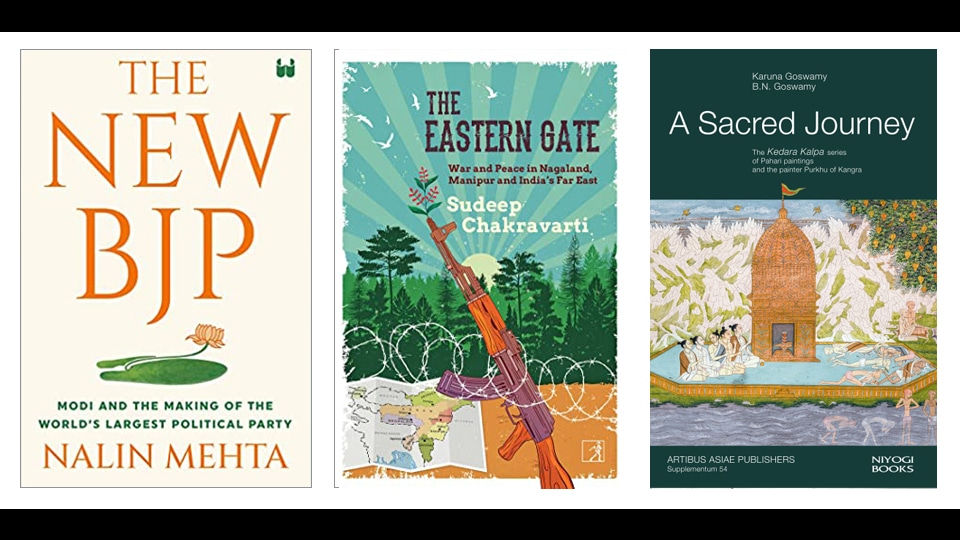
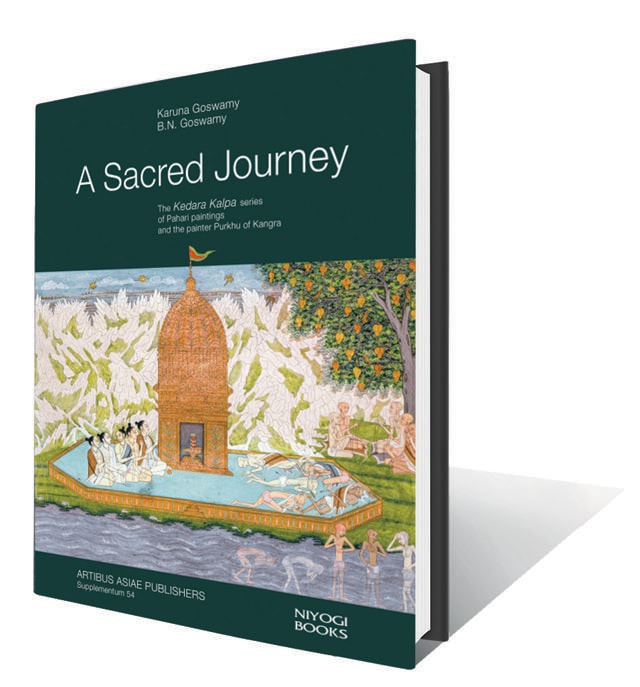
The Kedara Kalpa is a relatively little-known Shaiva text; and only slightly better known than it are the two dispersed series of paintings to which this study is devoted. But both raise questions that are at once elegant and deeply engaging. Ostensibly, they depict a journey by five seekers who set out to reach the realm of the great god, Shiva – walking barefoot through icy mountains and deep ravines, frozen rivers and moon-like rocks, running on the way into temptations and dangers the like of which no man before then had encountered – and, in the end, succeed. But as one goes through the narrative, the text visualized with brilliance by members of a talented family of Pahari painters, one begins to wonder, ‘Is this a parable of sorts/ Or the description of a long, unending dream from which one never wakes?’ Or, one wakes up like those five seekers and then, at the very next moment, slips back into that real/unreal world again. Is there something that hides behind all that one sees/ is this journey real, or is it only in the mind? It is for each reader to decide, the authors appear to say.*
War and peace in India’s Far East
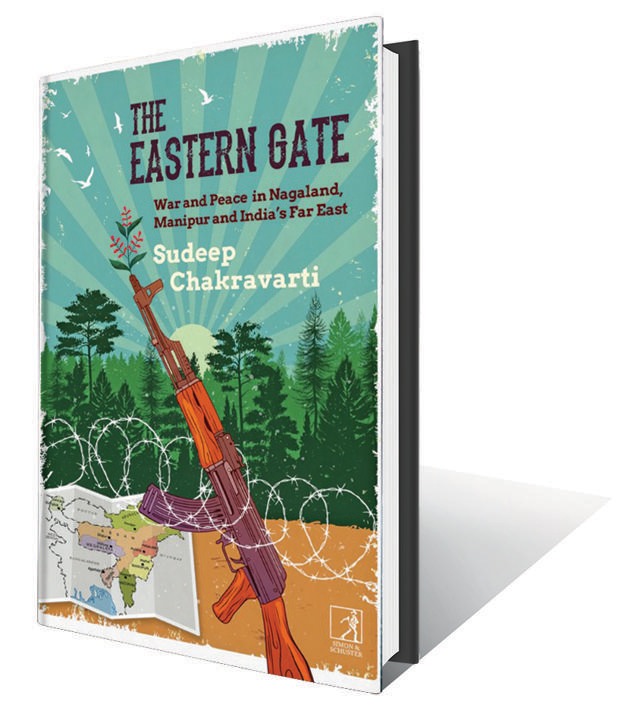
A pivot for India’s Act East policy; the gateway to a future of immense possibilities from hydrocarbons to regional trade over land and water that could create a new Silk Route; a bulwark against China; a cradle of climate change dynamics and migration. ‘Northeast’ India, the appellation with which India’s Far East is known, is all this and more. Alongside hope and aspiration, it is also home to immense ethnic and communal tension , and a decades-old Naga conflict that the high-profile peace process that involves four gateway states - Nagaland, Manipur, Arunachal Pradesh and Assam – and several million people. It’s among the most militarized zones in the world. It’s a playground of corruption and engineered violence. Only real peace and calm in both Myanmar and Bangaldesh will unlock this eastern gate. A keen observer and frequent chronicler of the region, Sudeep Chakravarti has for several years offered exclusive insights into the Machiavellian – Chanakyan – world of the Naga and other conflicts and various attempts to resolve these. He now melds the skills of a journalist, analyst, historian and ethnographer to offer inside stories and a ringside view to the tortuous, no-holds-barred attempts at resolving conflict. Employing a dispatches style of storytelling and interviews with rebel leaders, politicians, bureaucrats, policy makers, security specialists and operatives, gunrunners, ‘narcos’, peace negotiators and community leaders, Sudeep Chakravarti’s narrative provides a definitive guide to the transition from war to peace, even as he keeps a firm gaze on the future. The Eastern Gate is a tour de force that captures this story of our times.*
Modi and the making of the world’s largest political party
In election after election since 2014, both at the Union and state level, the BJP has won more often than it has lost – a clear indication of growth beyond its core Hindu base. The question is, why do so many people across divisions of caste, religion and gender vote for a party with unapologetically aggressive Hindutva politics? Are its much-publicised development schemes, whatever their flaws, the big pull factor? Or the active mobilisation of the RSS cadre to its cause?
In this fascinating revisionist history, political scientist and journalist Nalin Mehta examines how the BJP became the world’s largest political party. He goes beyond the usual narrative of the party’s Hindutva politics to explain how, under Narendra Modi, it reshaped the Indian polity using its own brand of social engineering. This reconstruction was cleverly powered by new caste coalitions, the claim of a new welfare state that focused on marginalized social groups and the making of a women voter base. Based on date from three unique indices – the Mehta Singh Social Index, which studies the caste composition of Indian political parties; the Narad Index, which calculates communication patterns across topic and audiences; and Poll Niti, which connects and tallies hundreds of political and economic data sets – The New BJP is full of startling insights in the way both the party and the country function. Previously untapped historical records, exclusive interviews with party leaders and comprehensive reportage from across India provide a fresh understanding of the BJP’s growth areas including the Northeast and south India.
A lucid and objective study of the BJP and India today, this is a book that demands engagement and debate from every side of the political divide.*
*All copy from book flap.


