
 E-Paper



HT Picks; New Reads
On the reading list this week is a volume on the cultural practices woven into Kashmiri carpets and floor mats, an inspirational memoir about fighting social disapproval to stay true to oneself, and a book on how beef eating in contemporary India means many different things to different people

 Prefer HTon Google


A narrative of a rich material culture
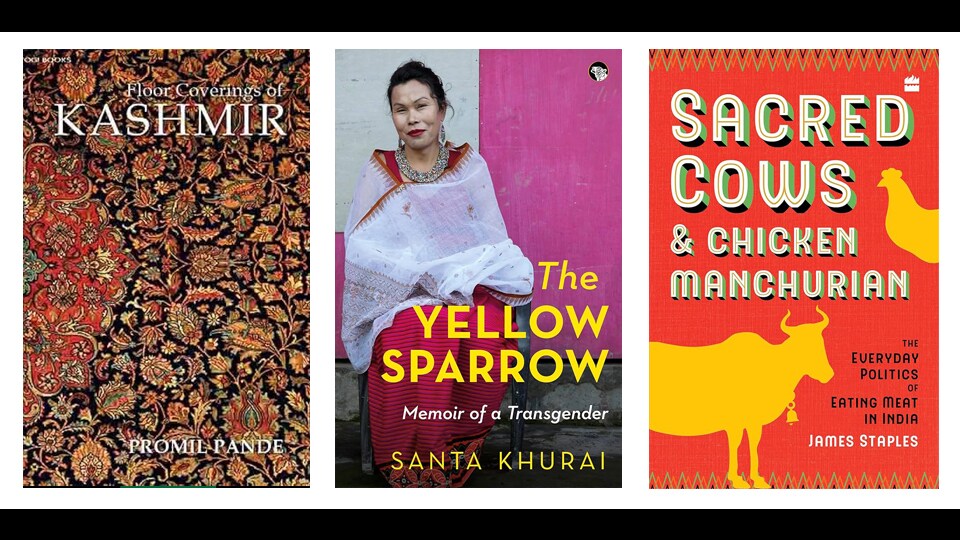
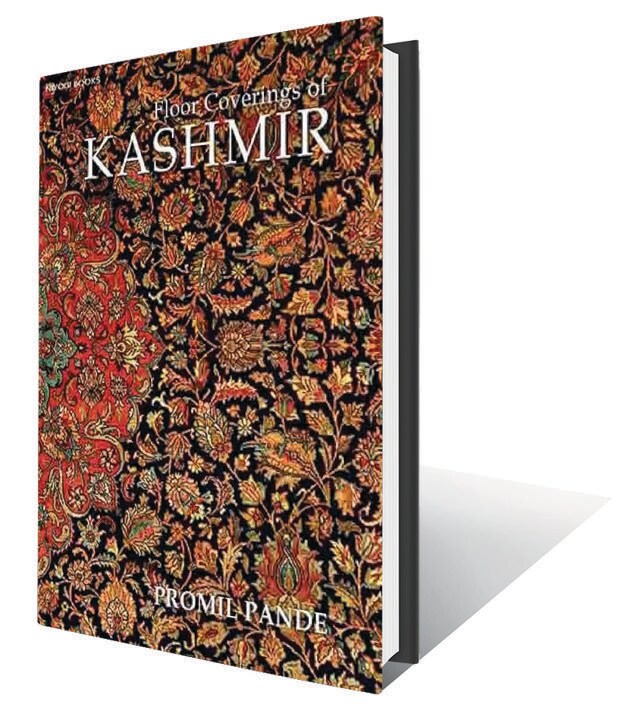
This book focuses on the floor covering traditions of Kashmir, which has been historically famous as a producer of the world-renowned pashmina shawl. However, the region also produces a variety of floor coverings that are an essential part of its households and its handicraft industry. The variety of floor coverings produced differs in design, their mode of production, the raw material used and the region of production. Kaleen-weaving is a long-standing tradition, dating back to over 600 years, while floor coverings such as wagoo mats trace their antiquity to the Indus Valley Civilization. This book intends to serve as a lasting narrative of the rich material culture of the Kashmir region. It identifies significant cultural units in design to showcase the age-old craft traditions in production that are integral to regional tangible and intangible cultural practices.*
Totem and taboo
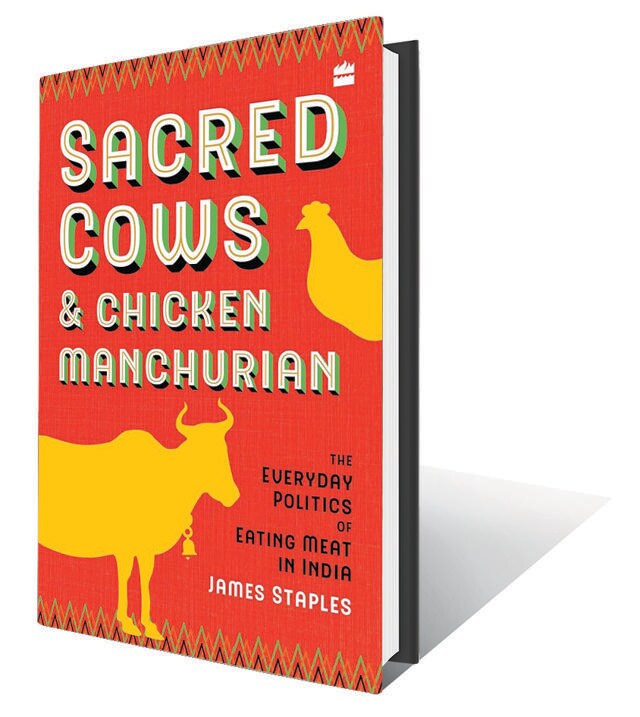
Bovine politics exposes fault lines within contemporary Indian society, where eating beef is simultaneously a violation of sacred taboos, an expression of marginalized identities, and a route to cosmopolitan sophistication. The recent rise of Hindu nationalism has further polarized traditional views: Dalits, Muslims, and Christians protest threats to their beef-eating heritage while Hindu fundamentalists rally against those who eat the sacred cow. Yet close observation of what people do and do not eat, the styles and contexts within which they do so, and the disparities between rhetoric and everyday action overturns this simplistic binary opposition.Understanding how a food can be implicated in riots, vigilante attacks, and even murders demands that we look beyond immediate politics to wider contexts. Drawing on decades of ethnographic research in South India, James Staples charts how cattle owners, brokers, butchers, cooks, and occasional beef eaters navigate the contemporary political and cultural climate. Sacred Cows and Chicken Manchurian offers a fine-grained exploration of the current situation, locating it within the wider anthropology of food and eating in the region and revealing critical aspects of what it is to be Indian in the twenty-first century.*
Struggling to stay true to herself
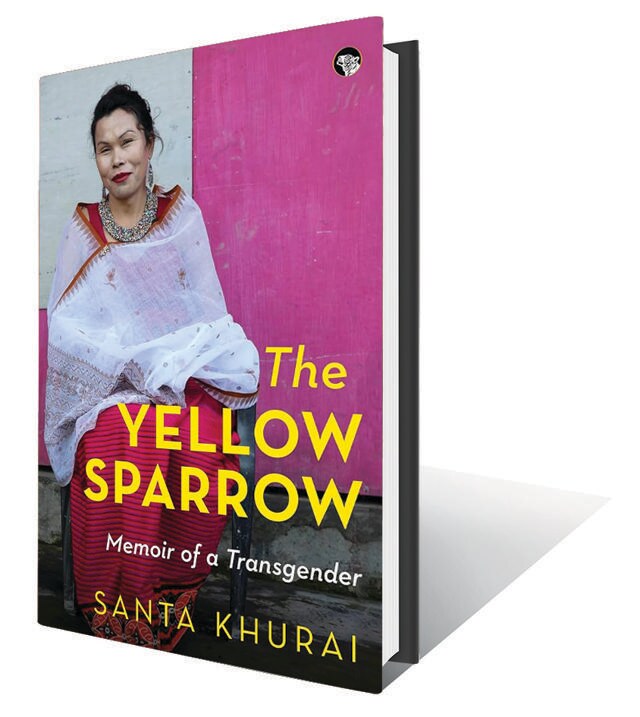
Santa Khurai was 17 when she decided to start dressing like a woman. Born male, she had always believed herself to be female, and she claimed her feminine identity fiercely and openly. Her bold act of wearing dresses and make-up in public brought down upon her the wrath of her father, insults and ridicule wherever she went. The humiliation and physical attacks did not deter her. “My desire to be a woman, a beautiful, fashionable woman, was so strong that I was not afraid of challenging anything that came in the way… I felt that I could bear anything but I could not live like a man.”The price she has had to pay is high. Knocking on doors for a job, she found that most times, no one would employ her because of the way she looked. When she eventually found success as a make-up artist, with her own beauty parlour, the stress of her struggles sent her spiralling into drug abuse and penury. Fighting her way through these troubles, she became involved with the transgender movement, and in 2010, she was appointed Secretary of the All Manipur Nupi Maanbi Association (AMaNA). Since then, she has worked closely with AMaNA and its sister organization, Solidarity and Action Against The HIV Infection in India (SAATHII). Today, she is at the forefront of the LGBTQ movement in Manipur, travelling the world to speak for her community.Santa Khurai has known the heartbreak of an abusive marriage with a heterosexual man, and the joy of adopting a son; the highs and lows of international recognition and disownment by her own family. Through it all, she has remained true to herself, and refused to be broken. Her story is an inspiration for all humanity.*
*All copy from book flap.


