
 E-Paper



Kittel and Kannada; a match made in linguistic heaven
Prashant Pandit’s documentary The Word and the Teacher shows that, even after a century, Ferdinand Kittel lives on in the hearts of Kannada lovers

 Prefer HTon Google


After facing turbulent waters and sea sickness, a 21-year-old German missionary finally stepped on Indian shores in 1853, anchored in his intent to preach the gospel. “I want to work unknown and die unknown but in a state of blessedness,” young Ferdinand Kittel wrote. Little did he know that on the path of spreading love for his God, he would fall in love with a language in that culturally and geographically distant country. Over the next 24 years, Kittel created the first Kannada-English dictionary that could be “read like a novel,” holds 70,000 words and spans 1752 pages. For this, he stands memorialized in a stately statue on MG road, Bangalore, has a locality renamed after him as Kittel Nagara, and has schools and colleges in his name across Karnataka.
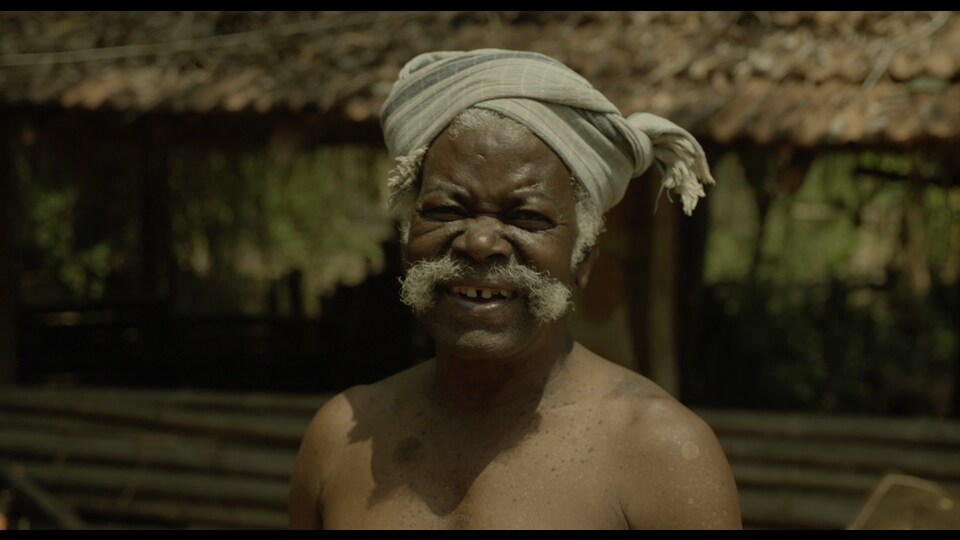
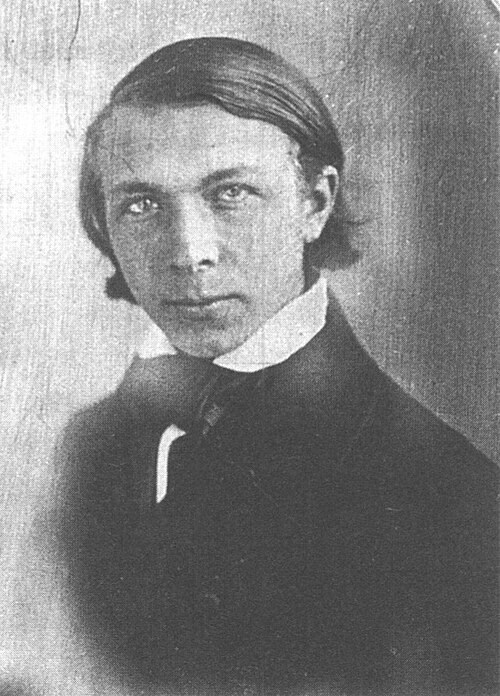
During a screening of Prashant Pandit’s ‘The Word and the Teacher’ at Bangalore International Centre, it emerged that, despite the passing of well over 100 years, Kittel remains enshrined in the hearts of those who love Kannada. Some viewers at the screening had brought Kittel’s voluminous dictionary along. Some said they never left home without its digital version in their pockets. Others described how the painstakingly created tome formed a precious part of their memories of learning Kannada.
It is well documented that missionaries of Kittel’s time went beyond mission work, diving into the development of vernacular languages, paving the way for modern lexicography in India. Hermann Gundert, also a German missionary, compiled the first Malayalam-English dictionary; Reverend A Manner a Tulu-English dictionary and Miron Winslow an extensive Tamil-English dictionary. English missionary William Carey is considered a pioneer in the field of linguistics in India. He created a three-part Bengali-English dictionary that established the etymological roots of Bengali words in the Sanskrit language.
What makes Kittel’s Kannada English dictionary or the Kittel Nighantu stand out among all is its readability and versatility. The stories behind words often run into pages. The dictionary also serves as a thesaurus and self-teaching language aid.
Prashant Pandit’s first-person documentary on Kittel is packed with poetic images suggestive of the inner life of a spiritualist who functioned outside the structured confines of his evangelistic role.
We see Kittel listening deeply to the locals and conversing with them. He accords them respect, even expressing admiration for their wisdom and evolved spirituality. “I would be robbing the person of something, and not sure what would I have given in return, if I force him to follow my path,” Kittel says after a conversation with a farmer, who, he writes, “has a vague idea of his religion” and seems to “know nothing about hell or heaven.” Though he acutely misses home and fears getting news of his parents’ death, Kittel seeks to find “a second homeland” in India, adding that “the Hindus would then be my fellow-countrymen.”
Kittel designed his work with the Basel Mission in a way that his afternoons could be spent working as a translator, proof reader and editor of manuscripts at the Basel Mission Press. “This work is closer to my heart,” he says. It is this work that draws him deeper into the folds of Canarese, a name used interchangeably in those days with Kannada (as shared by the filmmaker). He published Biblical stories using a Kannada poetic meter, set in the local musical style. His work at the Basel Mission Press led to “lesser time on preaching excursions.” He was curious about the gods of locals, their traditions and ways of living. He supported “a secular education that would spread knowledge about subjects.” He believed that “religious aspects should not be at the centre of education.” He immersed himself in finding out and recording not just the meaning but also the origin stories of words.
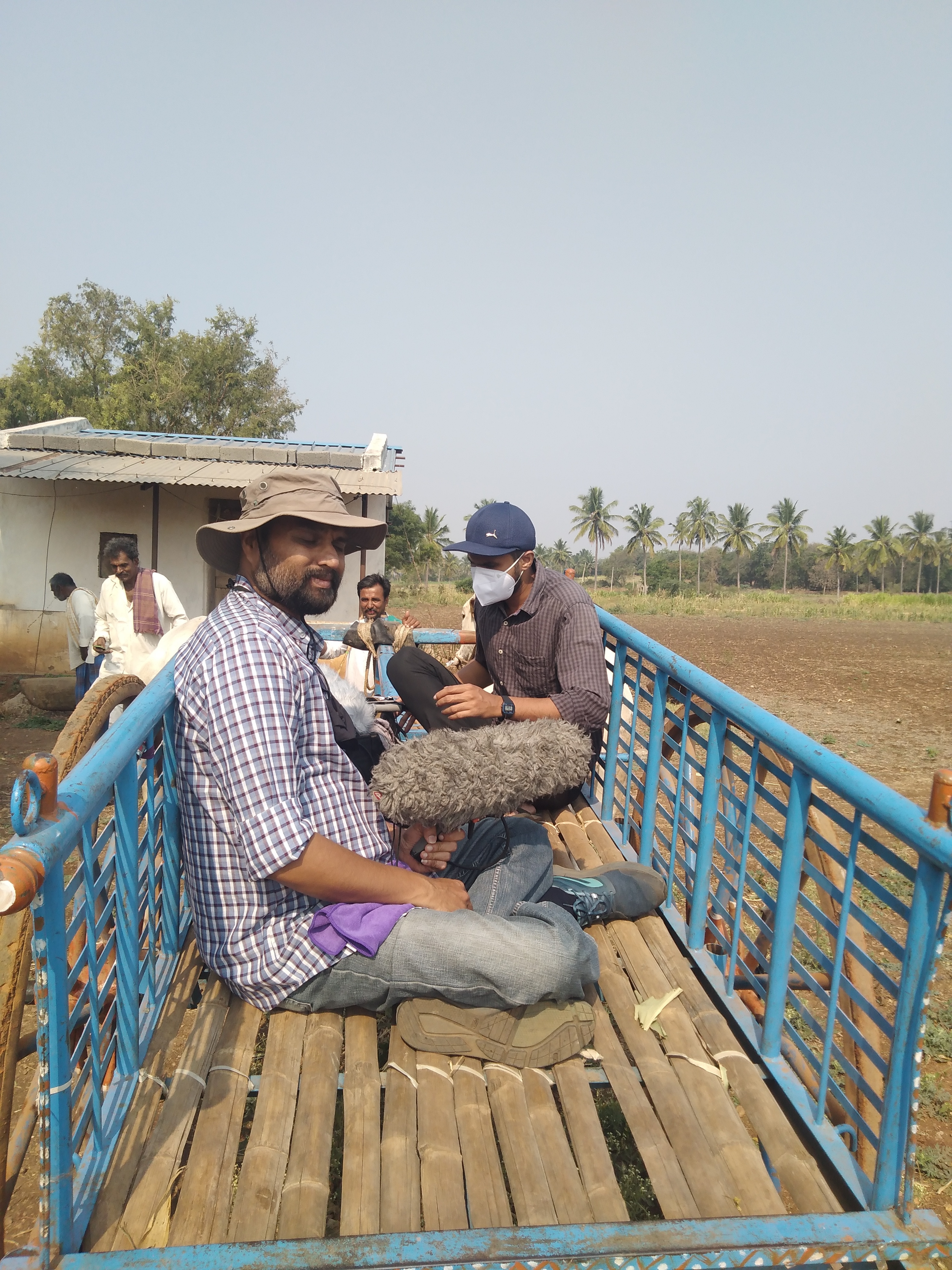
In the film, we see Kittel travelling by bullock cart to “Maisur” to receive Kannada manuscripts. “The Rajah,” he reports, “is about eight years old and is being raised by a British Officer. I took a small treasure-trove of lexicographical texts from Maisur to Mercara.” Finding himself at the centre of a work he did not consciously set out to create, Kittel knows there is no turning back even when he is removed from mission work for focusing too much on the dictionary. “Nobody can be more eager than I am to complete this difficult work that needs so much patience,” he wrote. He received grants and stipends to complete the work. “I shall promise to keep distance from any and every aspect of missionary work, and only work on the dictionary,” Kittel wrote when it became clear that the dictionary was his life’s work.
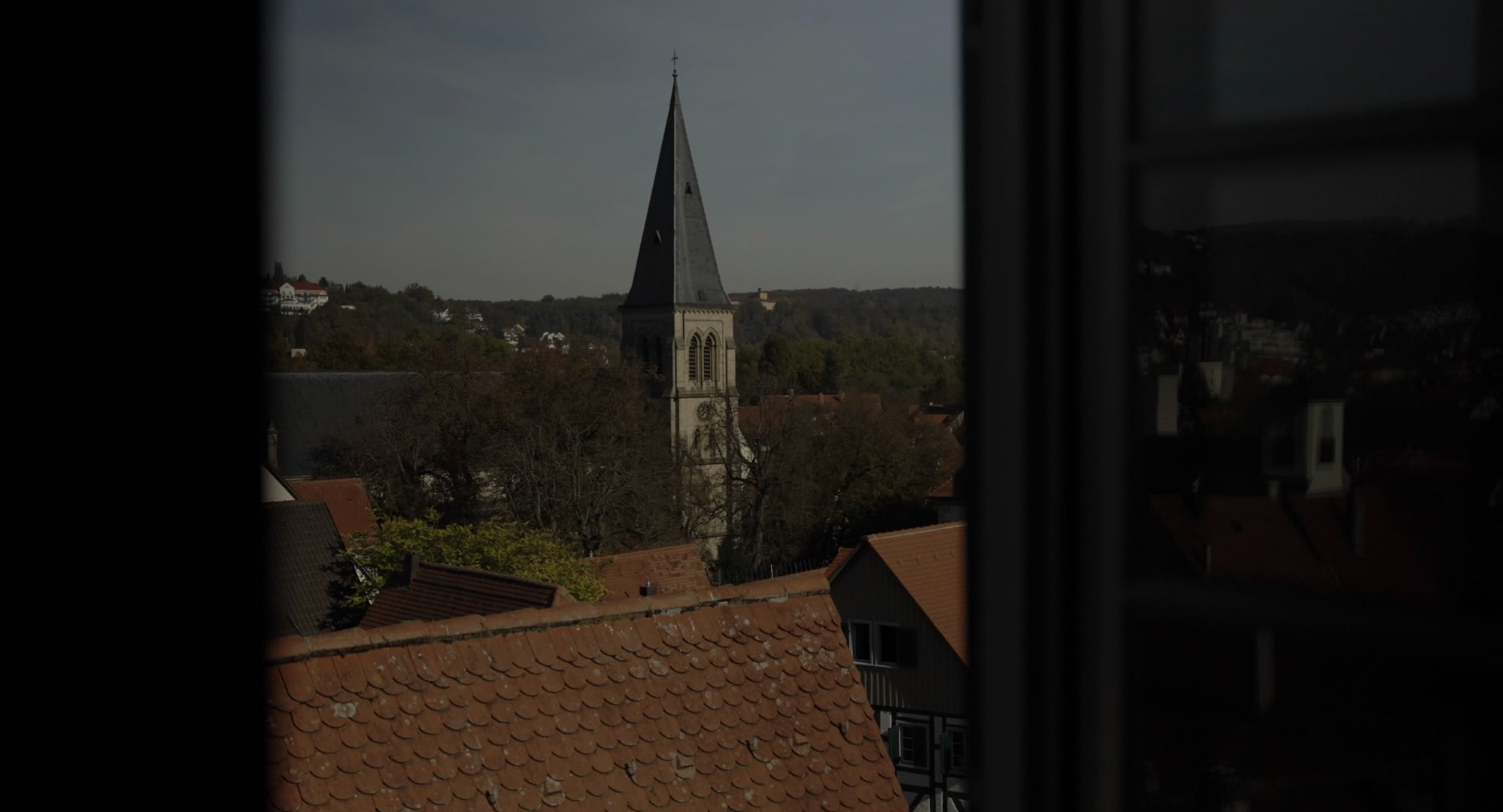
He built an empathetic relationship with land and language, noting that the rains were not showing up properly. He wonders in the film “if the glory of India is over by now” and wrote that the “railways destroy forests and endanger the income of the ox carter,” not to mention how they aid the plundering of Indian resources to build wealth for the British empire. He spent 50 years of his life between Germany and India, focused on the Kananda-English dictionary because, for him, reverence for god and for words were not separate. “The word that goes out from the mouth - it will not return empty but it will accomplish the desire and achieve the purpose for it was sent,” Kittel wrote. Undeterred by challenges in his personal and professional life, his ‘mission’ of serving the ‘Word of God’ culminated in the Kittel Nighantu.
Speaking about the challenges in creating this film, Pandit says, “Being a self-funded pandemic era film with no institutional support, it was very challenging. Thanks to the generosity of friends and their financial support, the project took off. Lack of research material and limited access to the archives in India was a major hindrance. Archives in Germany and Switzerland helped a great deal. Creatively, it was a different kind of challenge. Initially, I was sure I will make a traditional film with a third-person narration but that posed a big challenge to construct Kittel’s persona in a nuanced manner. So, I decided to make use of first-person narration that would recreate and represent the era, ethos and persona of a scholar who transcended geographical, religious and linguistic boundaries to achieve an unparalleled goal.” The crowd-funded film has been shot in places where Kittel lived and worked in India and Germany with cinematography by Chidanand GL and Florina Steiner. Swati Acharya, the producer and researcher, was also present at the screening.
In an era of language wars and increasing ethnic othering, it is enlightening to learn that many of India’s languages including Kannada were greatly enriched by the contribution of “outsiders”.
Charumathi Supraja is a writer, poet and journalist based in Bengaluru.


