
 E-Paper



On Sai Paranjpye, a key figure in India’s cultural life
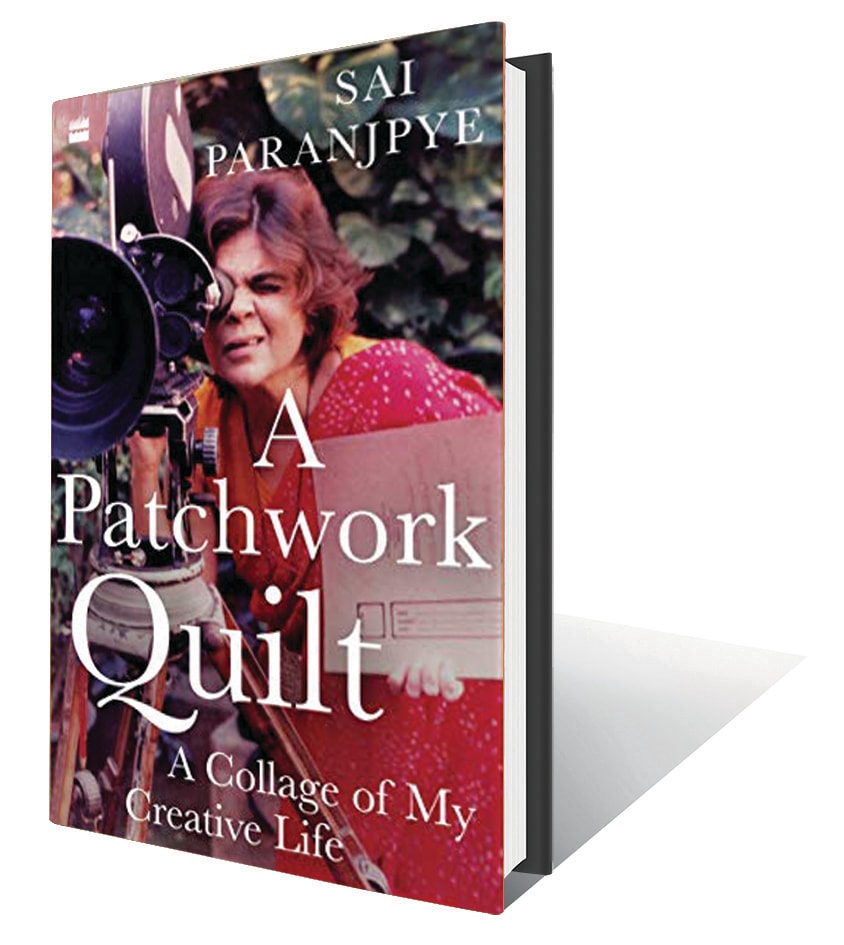
Sai Paranjpye was the only woman creating art cinema in India in its heyday in the 1970s and ’80s. A feminist who rejects being pigeon-holed as a “woman filmmaker”, she stood out for her lack of pretence. A Patchwork Quilt, her memoir of her work, looks back on her remarkable career, spanning theatre, TV, films and writing

 Prefer HTon Google


The very mention of Sai Paranjpye’s name conjures up a smile but one which becomes bittersweet when we remember her wholesome films from our fractured present. The descriptions which fit her films — heart-warming, charming, innocent, bubbling with joy, feminist without stridency, individualistic without bombast — apply also to her memoir. She was the only woman in the galaxy of Indian art cinema in its heyday in the 1980s but she stood out even more for her lack of pretence. This felicitous memoir was first serialised in Marathi at the behest of the editor of Loksatta, the popular Marathi newspaper. She got the courage to render it into English after she won a Sahitya Akademi award for translating Naseeruddin Shah’s acclaimed memoir And Then One Day into Marathi.
Paranjpye joined the National School of Drama soon after it was set up, began to teach at the FTII when it began, was a leading producer of Doordarshan when television first came to India in the 1970s, and was a leading light of the art cinema movement in the 1970s and 1980s. So how did she earn so much fortuitousness?
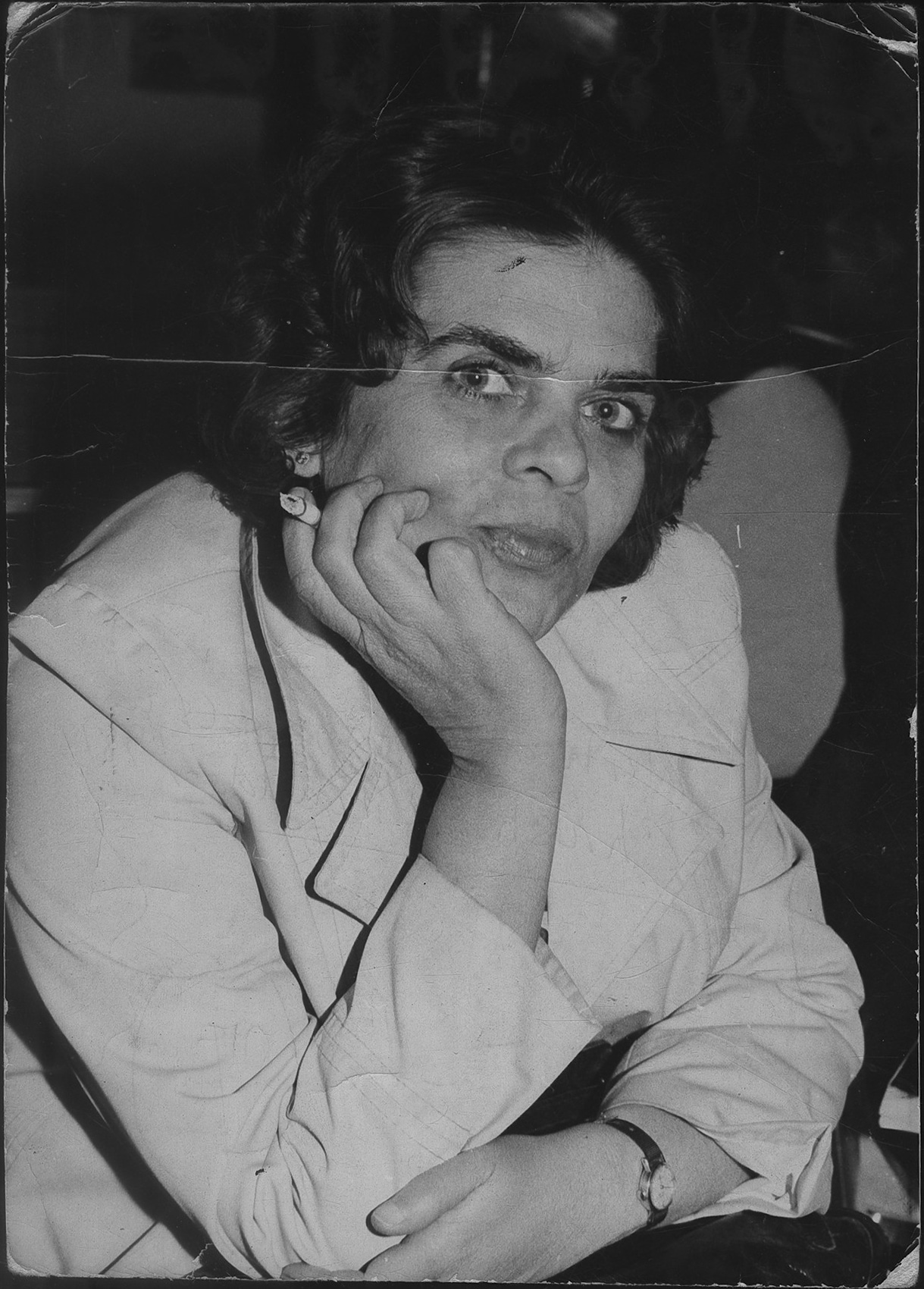
From her family, first. Her grandfather, Sir RP Paranpye, a revered figure in Poona, had topped the Cambridge Tripos in Mathematics, the most prized achievement for an undergraduate, then and now, and had earned the sobriquet of Senior Wrangler. He later served as the High Commissioner to Australia. Her mother, writer, translator, activist and later Member of Parliament, Shakuntala Paranjpye, married a Russian in Geneva, had Sai — which gave Sai her bluer-than-Chitpavan-blue eyes — left him and returned to live in Poona as single mother. For this, and for her several other traits of singlemindedness, her eccentricity became famous in the city. As a child, Sai memorised innumerable Sanskrit verses, English poems and frequently read aloud to her grandfather who was a stickler for correct enunciation. She also inherited a fair amount of unorthodoxy and an interest in theatre since her mother had dabbled in it too; an interest that bloomed in college. That Pune was, and remains, the standard bearer of Marathi theatre, one of the most advanced in the country, most certainly was fortuitous. Soon after college Sai began to work in radio, which was then the country’s most vibrant and popular medium. Radio nudged her to focus on children, and also cemented her interest in theatre as the city’s Annual Radio festival included live performances. This is how she began her pioneering work with children’s theatre, which even attracted Pandit Nehru to one of her shows. She founded a theatre group and got married to fellow theatre person Arun Joglekar. Her mother did not approve and therefore did not attend the function. She applied and got through to NSD. While she is full of admiration for Alkazi as a teacher she is one of his few students who stops short of worshipping him. She then taught at FTII where her grounding in theatre was ably supplemented by an initiation into world cinema. Simultaneously, she continued to write and direct plays.
This training proved useful when she joined the nascent Doordarshan along with such stalwarts as Habib Tanvir and Shama Zaidi. Sai writes with empathy about her fellow artists, many of whom remain unsung and have long bitten the dust. Television provided a crucible for her later flowering. It did not come without struggle. She writes with humour about her attempts to rid herself of the Grade B Artist tag, and to get the moribund staff of the Children’s Film Society of India into action. But the most unusual part of this phase is her visit to Paris where she was sent by the government to acquire first-hand experience of French television and theatre. En route she stopped at Geneva where she was finally reunited with her Russian father and his warm, extended family. The family’s attempts to bond without language, and then, as Sai learns it, through pidgin French, are movingly recounted.
She literally had a free pass to all the theatre shows in Paris and writes of the magical quality of the work she saw, which makes one truly envious. Along the way, she also sold tea at such ultra-luxurious hotels as Le Negresco in Nice. There is much the French theatre teaches her, including the parallels between street-side improvised revues and the Marathi folk form tamasha.
Through much of the 1970s Sai kept up with her theatre and became a name to reckon with for her plays in Marathi, and their Hindustani versions that she presented in Delhi. She was writing, directing, designing sets and sometimes producing too. There is a dense history of Delhi theatre here with descriptions of elegant tea parties at Yatrik founder Joy Michael’s house, with people like Roshan and Aftab Seth, Rati Bartholomew, Sushma Seth, Kusum Haider and others. It is also an ode to the Marathi diaspora and their commitment to theatre, spread out not just in the Marathi Mandala of Delhi but also in faraway places such as Hong Kong, Europe and the US. It is a genteel time, there is a defined bourgeoisie which prizes theatre and houseful boards compensate for the lack of big pay checks. Some of her plays were sometimes simultaneously performed in Marathi, Gujarati and Hindi, and in more than one city at a time. She continued to produce telefilms and documentaries for Doordarshan, where some of her film ideas germinated too. It is also a tribute to the acumen of the government-run channel that it promoted high quality programming. One such telefilms, Raina Beeti Jaaye, produced for the Blind Relief Associaton, elicited a tremendous response but Sai felt she had done justice to the amazing children of the Blind School where it was set. So she turned it into a film script, but herein lies the tale. For the lead role, she approached Amol Palekar, who gave her short shrift. Then she managed to get Sanjeev Kumar and Tanuja interested but wouldn’t find a producer. Finally she found the mercurial, charismatic and gifted Basu Bhattacharya, himself an established name in middle-of-the-road cinema. But Basu Bhattacharya proved so slippery and nightmarish as a producer — he refused to pay the cast and crew, or even to put them up, despite the hefty cheques that Sai managed with her contacts — that the film was eventually not released for four years. Farooque Shaikh’s fraudulent character in Katha was actually named after Basu Bhattacharya! Sai recounts the full story of the making of Sparsh in vivid and gripping detail. The scripting, the stolen shot at Golf Links, the training with children, the production and the marvellous performances by the unpaid stars, and technicians makes one’s heart ache for the dedication of the cast and zeitgeist which valorised it.
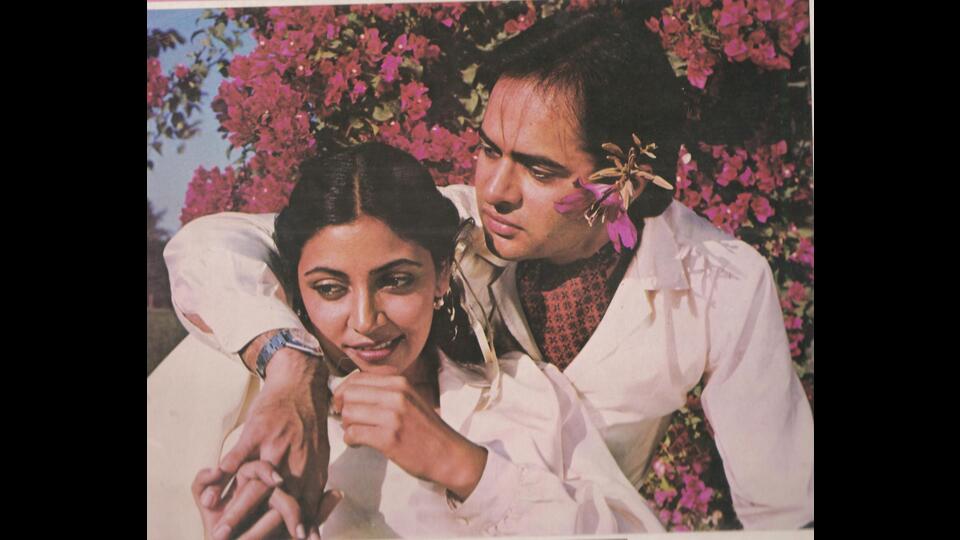
Chashme Buddoor was actually her second film, but the first to be released because Basu Bhattacharya simply sat on Sparsh. The idea of Chashme Buddoor also emerged from one of her prior plays, which she developed along with her producer Gul Anand. It is a love letter to Delhi and as I rewatched it while reading Sai’s account of it I felt immensely nostalgic for a Delhi I never saw, especially that wonderful open air restaurant at Talkatora stadium where the romance between Farooque Shaikh and Deepti Nawal takes place. Saeed Jaffrey, an alumni of Allahabad University, who had made a name for himself on the London stage was just getting into Hindi films at the time and spent an inordinate amount of time with the panwallas of Old Delhi in honing his character, the famous Lallan Miyan. The remarkable thing about Chashme Buddoor was how little it was about anything, justifying the epithet “breezy” that has come to be forever associated with Sai, and reminded me of Seinfeld, another show about “nothing”. But Sai acknowledges that many key features of the story such as the character of Farooque Shaikh, his romance, the elderly personae, were all additions made at the behest of the producer. Chashme Buddoor was a box office hit, incredulous at it seems to us, but it was not an anomaly if one remembers films such as Kalyug and Ardhsatya and Bazar which were all ‘hits.’
The 1970s was possibly the greatest decade in Hindi cinema with three distinct kinds of eco-systems for films. On the one hand there was Yash Chopra, Ramesh Sippy, Manomohan Desai and Prakash Mehra who produced outstanding commercial films. Then there were marvellous middle-of-the-road directors such as Hrishikesh Mukherji, Gulzar, Basu Chatterji and Basu Bhattacharya who created middle class stories and dramas with popular appeal. Then there were the art film directors proper whose films such as Manthan, Junoon or Aakrosh sometimes brought fairly respectable returns at the box office. The fact that this was the era when the film society movement was at its peak, the FTII and NSD provided a ready supply of idealistic young talent, and the audience was relatively more mature, before the big demographic surge of the 1980s and the 1990s, were all factors that must have played some role in the films that were then made and their success ratio.
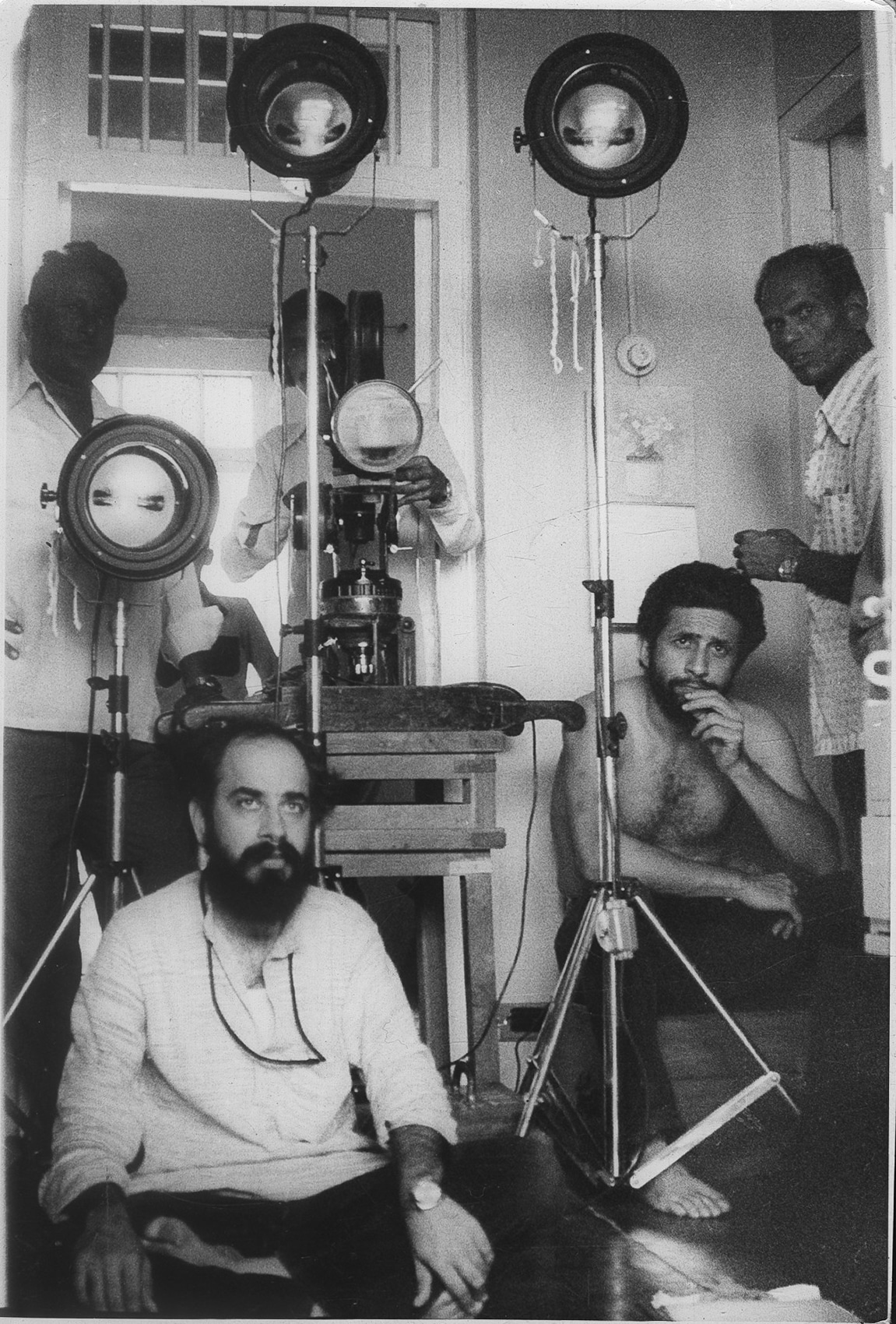
Be that as it may, Sai never made any money from any of the films she made including Katha, which again did fairly well commercially. Both Farooque Shaikh and Naseeruddin Shah were initially reluctant to play the roles allotted to them, each preferring the other, which were more true to character. Farooque Shaikh was very genteel, very sharif and seedha sadha in real life, and even prayed regularly, and Naseer reminded Sai of his “dashing personality” when she sought to cast him as the demure Rajaram. However, Sai persuaded them both and the result is a remarkable film, again adapted from a play. Sai made a few more remarkable films after that. Papeeha was inspired by the Chipko movement, and is one of India’s few films to keep the forests and environment so central to its theme. Saaz, loosely inspired by the Mangeshkar sisters, is a film loved by many. There were other films for children, such as Chakachak. Sai doesn’t write about her later stint at television during the sponsored programming phase in the Rajiv Gandhi years when she made such loveable shows as Ados Pados and Chhote Bade. Altogether then, she has had a remarkable career spanning theatre, both artistic and commercial, television, films, writing and the belles lettres.
She separated from her husband when she moved to Mumbai in the late 1970s, but they remained remarkably good friends, and continued to work with each other, itself a radical state of affairs. The only thing that exasperates Sai, a true-blue feminist, is being pigeon holed as a “woman filmmaker”. She asserted her rights and was successful. At least three of her films bear watching again, nearly 40 years later and that is an impressive achievement.
Sai Paranjpye has had an exceptional career and a remarkable life and one cannot help but envy the cheeriness of both, but here certainly was a case of good things coming to the deserving.
Mahmood Farooqui, credited with reviving Dastangoi, is the author of A Requiem for Pakistan: The World of Intizar Husain.


