
 E-Paper



R Sukumar picks his favourite read of 2025
An empathetic portrait of a pioneering forensic ornithologist whose work made flying safer by prompting improvements in aircraft engines and in runway management plans that factored in the possibility of bird hits

 Prefer HTon Google


The Feather Detective: Mystery, Mayhem and the Magnificent Life of Roxie Laybourne by Chris Sweeney is my best book of 2025 for two reasons. One is that it is the most recent book I read. Before I come to the second, here’s a quick list of some of the books I enjoyed this year: All the Water in the World by Eiren Caffall, The End of the World as we Know it; New Tales of Stephen King’s The Stand edited by Christopher Golden and Brian Keene, Keanu Reeves: Most Triumphant: The Movies and Meaning of an Irrepressible Icon by Alex Pappademas, Rakesfall by Vajra Chandrasekara, Isola by Allegra Goodman, Moderation by Elaine Castillo, What we Can Know by Ian McEwan, Beartooth by Callan Wink, and Burn by Peter Heller. Not all of these were published in 2025 (but the Reeves book, which dates back to 2023, is the oldest).
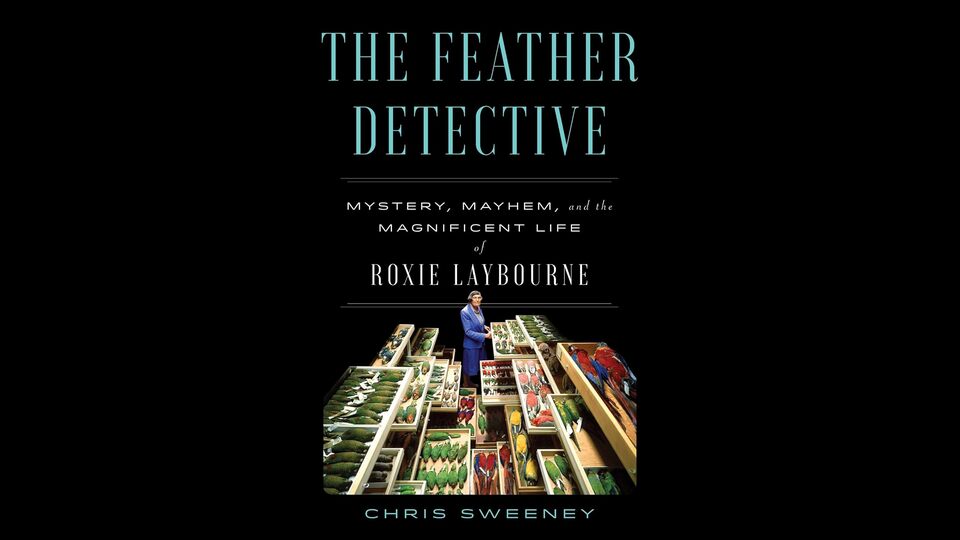
The second reason I liked The Feather Detective (for those who were wondering, it is a work of non-fiction) is because it is about a bird nerd, and my son is one too (indeed, nerdy enough to be irritated by a scene set in a Sri Lankan forest in PS2 featuring a call by bird not found in that country, in the background). Laybourne’s thing is feathers, and she is what Sweeney terms a forensic ornithologist. From tiny pieces of feathers, Laybourne, starting from the 1960s, provided the missing piece of accident and criminal investigations, including an air crash in Boston that killed more than 60 people, helping the Federal Aviation Authority, the Federal Bureau of Investigation, and police departments and prosecutors across the US. A trained taxidetermist, Laybourne, who died in 2003, pretty much defined the science on how birds can be identified from a microscopic study of their feathers (or feather fragments). Her work also made flying safer – prompting modifications and improvements in aircraft engines, and runway management plans that factored in birds and the possibility of bird hits. Sweeney writes engagingly about the birds, and the science behind Laybourne’s work, but he is also a faithful biographer who paints an empathetic and human portrait of a pioneering scientist whom most people had not heard of – until now.


