
 E-Paper



Review: Baldwin; A Love Story by Nicholas Boggs
About American author and civil rights activist James Baldwin’s gifts, his suffering, his writing, and the men in his life, this book covers it all

 Prefer HTon Google


I first heard of James Baldwin when I was in the twelfth standard and knew nothing about LGBTQIA+ literature or even modern literature of any kind. The name was totally new to me and yet, as I read the synopsis of Giovanni’s Room in the college library, a sudden rush went down my spine. It was that of shame and joy. I had chanced upon a book where a man was in love with another man. It seemed unbelievable to me. Since that first brush with same-sex love in literature, I have been a Baldwinite. But Baldwin, the person, has always been a mystery to me in most aspects, especially his personal life. I didn’t know much about his role as an activist-author who put the spotlight on racism in contemporary America through his writing either. I did know, though, that he was a gay man – a proud and out one at that – and a black one who was struggling with his identity, but not much beyond that. And that’s how it was, u-til I read Baldwin: A Love Story by Nicholas Boggs.

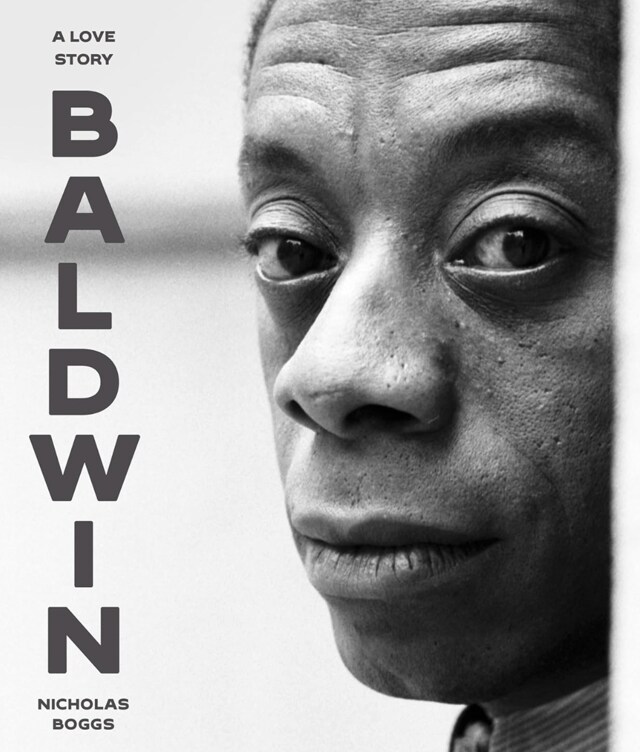
The book is about the author’s gifts, his anxiety while writing, the suffering he faced as he fell in love, his writing life, of course (which is covered in detail), and the men who would come and go from his life, in turn impacting what he wrote.
Boggs covers it all – Baldwin’s lovers from the streets of Paris, the lecherous one-night stands he had in Greenwich Village, the men he claimed were the “loves of his life” and the ones he didn’t look at. What struck me as most poignant was the love Baldwin harboured for white straight men – the kind who would never be his, who would probably only use him, who would always be with their wives – the unattainable, which made him so sad and lonely. These parts resonated the most with me – being a gay man living in India, not loving myself enough, and always falling for the elusive straight man.
Baldwin’s story starts in Harlem – a boy who had an emotionally abusive relationship with his stepfather, who was told so often that he was ugly that he eventually felt the same about himself, but whose intellect was huge and striking. In time, he would collect all these experiences, take all this sadness and just write. Boggs introduces us to that Baldwin; the one from whom emerged such early works as Giovanni’s Room, Go Tell it on the Mountain, and Notes of a Native Son.
What drew me in the most was Baldwin’s sense of alienation at almost every step of his life – from where he was raised (though Harlem would always be home, it never was in a sense), growing up as a Pentecostal Christian and what that meant to him, his giving up of that particular faith (though religion would always haunt him, and is reflected in most of his works), the moving from one place to another, and with that from men to men: Happersberger, Cazac, he Black gay painter Beauford Delaney, who became his lifelong mentor and whose heart would always beat for him, and the famed Turkish actor Engin Cezzar, whom he followed to Istanbul in the early 1960s, where he wrote Another Country (1962).
Boggs who was instrumental in publishing the new edition of Little Man, Little Man in 2018, first read that book in 1996, which led him to meeting Yoran Cazac – one of Baldwin’s lovers for a brief period who could even be described as one of his “greatest last loves”. Fascinatingly, Boggs has categorized Baldwin’s loves, insecurities from each relationship, and how eventually all of it had this daunting and mostly fruitful impact on each of the works produced as a result (directly or indirectly) of being with those men (or sometimes not).

Love is at the centre of all Baldwin’s works, fiction and non-fiction alike. It pervades everything he wrote, including If Beale Street Could Talk – the one I found most romantic, the one dedicated to Cazac.
Nicholas Boggs’ book is not just a biography of a great American writer, but of what love meant to him; how love would become James Baldwin, the man, the writer, and the greatest influencer for all those struggling to be free to live and love the way they want.
Vivek Tejuja is the author of ‘So Now You Know: Growing up Gay in India’. Besides men, he loves books, food, and cats, and in no particular order of preference.


