
 E-Paper



Review: Bandi Jeevan by Sachindra Nath Sanyal
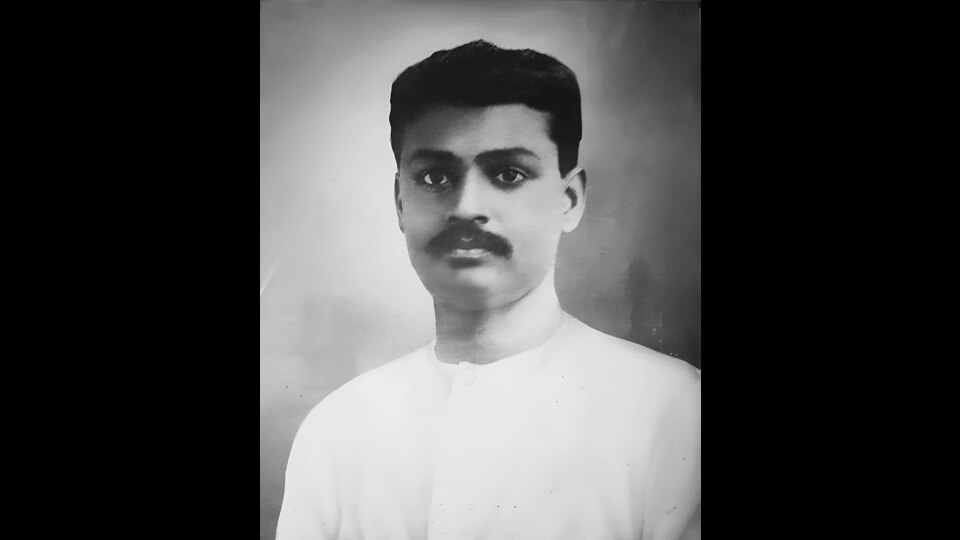
A co-founder of the Hindustan Republican Army, Sachindra Nath Sanyal led an underground revolutionary struggle in Bengal and built solidarities with similar struggles in Punjab and other parts of the country during the British Raj. Bandi Jeevan is a chronicle of these groups and a record of the author’s own past

 Prefer HTon Google


The Indian freedom struggle included people with a diverse understanding of resistance but who simultaneously fought for the same cause. While some thought that non-violence and civil disobedience was the path to take, others believed that only a revolutionary path could lead them to absolute freedom. Even within these two factions, there were those who insisted that their specific way was correct. Sachindra Nath Sanyal believed in the revolutionary option. A co-founder of the Hindustan Republican Army, Sanyal, who was born in Varanasi, went on to build an underground revolutionary struggle in Bengal and built solidarities with similar struggles in Punjab and other parts of the country. Bandi Jeevan is a chronicle of the plans and shortcomings of these groups and the hurdles they faced apart from also being a record of the author’s own past.
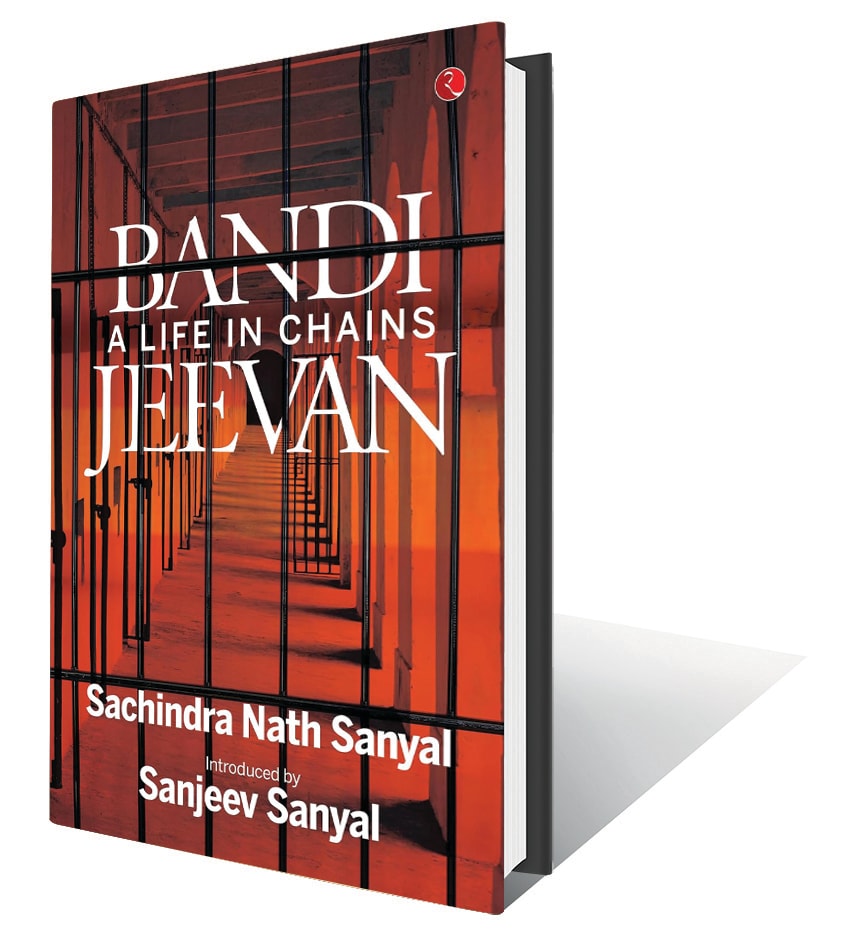
Originally written in Bangla but translated into Hindi under the guidance of the Sanyal himself, the book has been translated into English by Maneesha Taneja. Divided into three parts, it includes events that happened at different points of the author’s life. The beginning deals with Sanyal’s intimate connection with God and the role of yoga in his life. Next, he focuses on how the Sikh community, especially its members who worked in foreign countries, were relentlessly targeted by the British for fuelling the resistance, eventually leading them to leave their own homes. He also writes about what went wrong with the movement and how the revolutionaries persevered irrespective of failure. The second chapter, written against the backdrop of the collapse of the Lahore Conspiracy, looks at how the nationwide revolutionary network was affected. Sanyal also reflects on the impact of politics and ego tussles between revolutionary groups. Differences of opinion are common amongst those working towards the same goal. This occasionally leads to uncertainty and a lack of cohesion between different groups.
The third and last chapter covers the post-1920 era of the revolutionary movement and shows how the author worked on different fronts after being released from the Cellular jail in the Andamans.
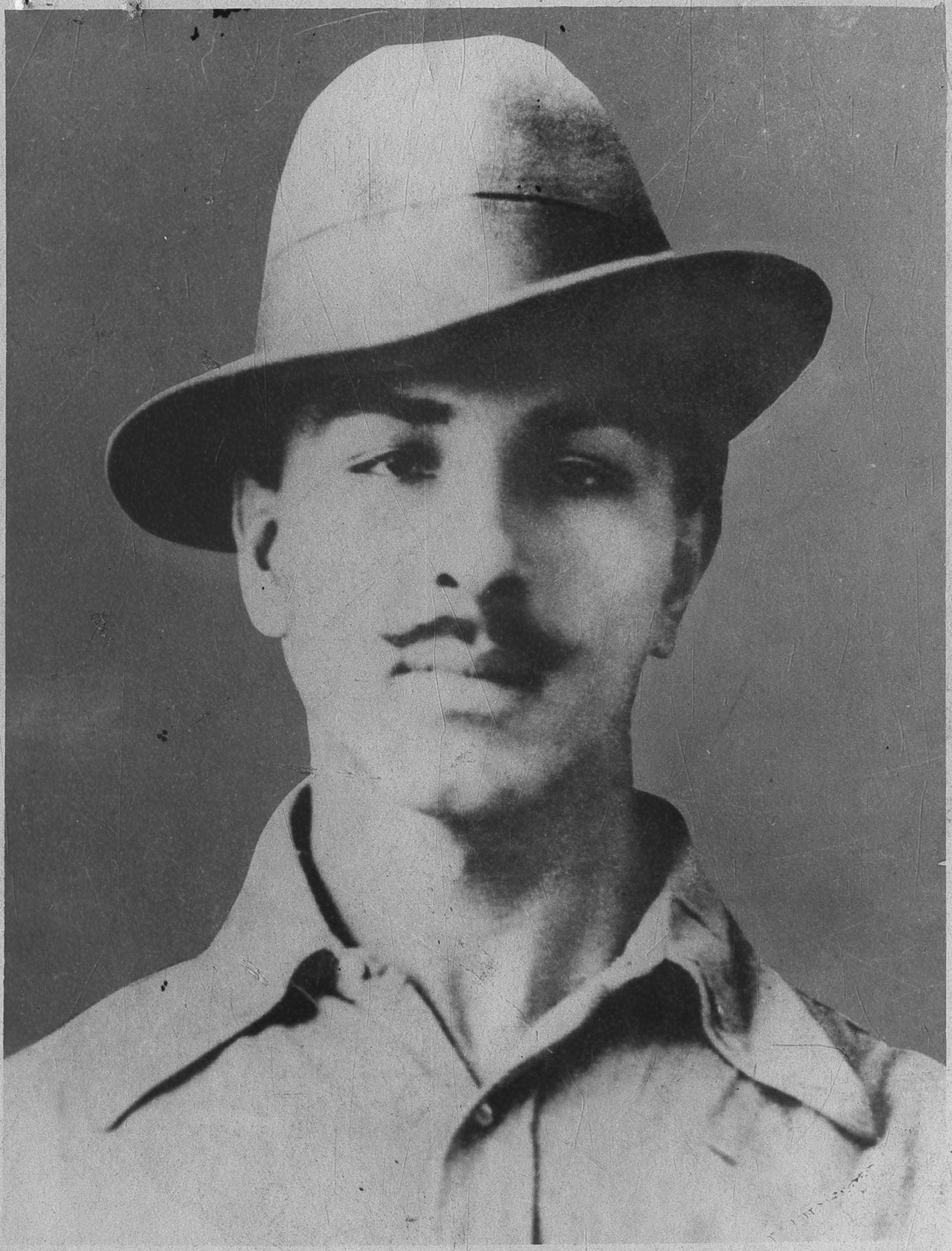
Bandi Jeevan was an effort to give Indians an idea of what was happening at a time when only the narrative of the colonial power was being propagated. As a Bengali from Varanasi, Sanyal took it upon himself to get his original work translated and published in Hindi as well. The effort is yet another example of how translations have helped oppressed groups to speak their truth and form solidarities with others. Sanyal’s work led to the creation of a distinct revolutionary mindset and inspired Bhagat Singh, Ashfaqulla Khan and many others.
His description of his time in the cellular jail at Andamans reveals the savagery inflicted on political prisoners by the British colonial state. Unlike some others who chose to side with the colonizers and later practised communal politics, furthering the policy of divide and rule, Sanyal stayed true to his beliefs and continued to work towards achieving his revolutionary ideals. In sum, Bandi Jeevan is an important piece of literature that is of immense historical value.
Chittajit Mitra (he/him) is a queer writer, translator and editor from Allahabad. He is co-founder of RAQS, an organization working on gender, sexuality and mental health.


