
 E-Paper



Review: Dear Alyne by Alyne Tamir
A young woman’s memoir about being brought up in a cult like environment that leads her to repress her sexual self

 Prefer HTon Google


Alyne Tamir’s tongue-in-cheek memoir shines most when the author gives readers a peek into how faith shaped her ideas of sex and sexuality while she was coming of age. It also shows how the regressive and outdated ideas of sexual morality that she was raised with played a key role in her divorce. “I’d been raised with the message that bodies were to be hidden, that sex, and anything close to it, were absolutely forbidden till you were married,” she writes. The secrecy around the act didn’t make her excited about the sex she will eventually be ‘allowed’ to have.

More importantly, for Tamir, it felt as if her body wasn’t her own. “It was almost as if my body was on loan to me, gifted with a complicated set of rules and conditions that if broken would release a torrent of shame and repercussions that could mar the rest of my life”. She had internalized that any sexuality, even in marriage, was something to be suppressed.

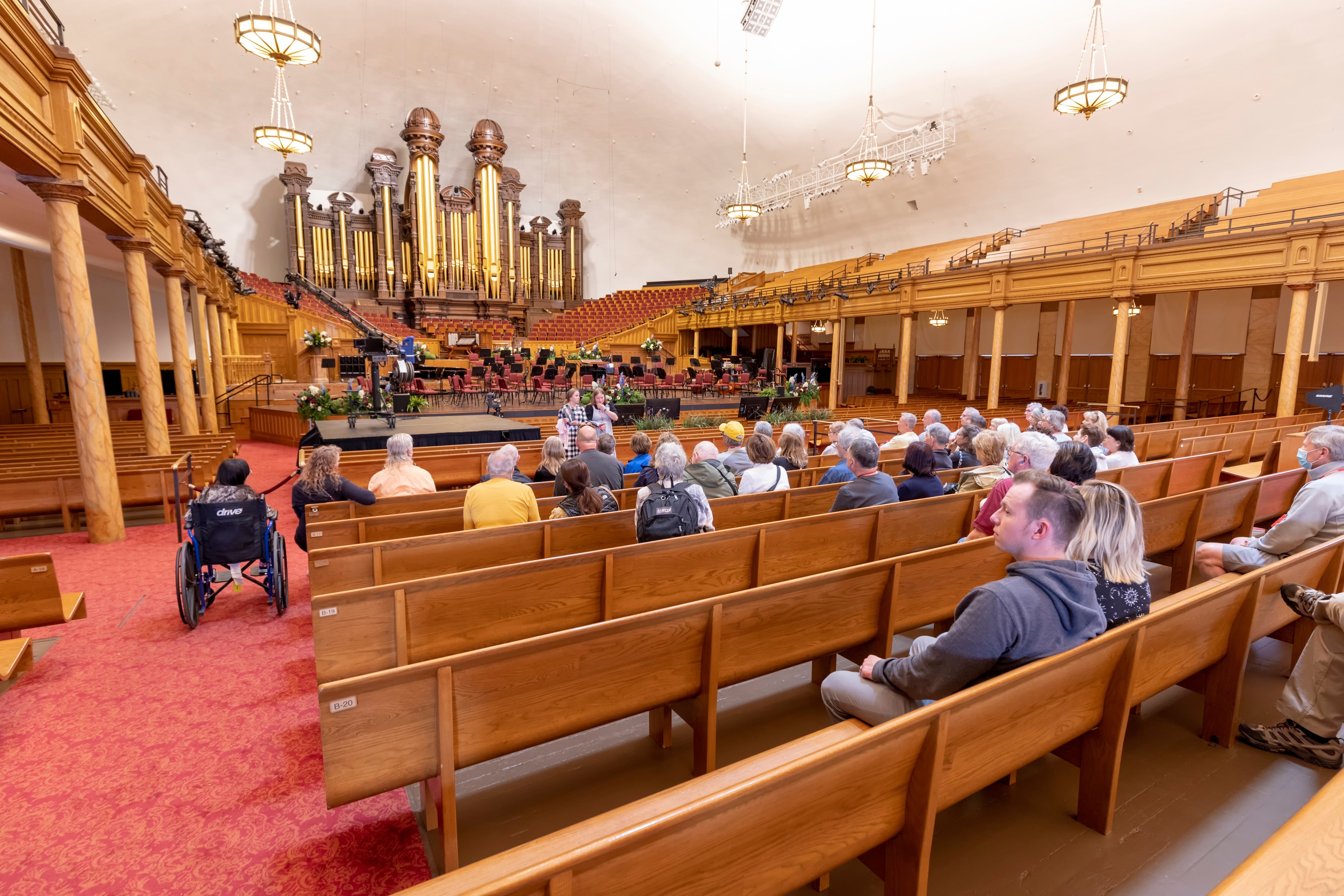
It was therefore no surprise that on her wedding night, she kept turning down the sexual advances of her now ex-husband, Max. Alyne simply didn’t feel comfortable with the idea that she was denying him something that was owed to him. The memoir’s initial chapters take us through the tumultuous relationship between Alyne’s Mormon mother and Jewish father. The unlikely duo met in Israel and got hitched. Eventually, they divorced. Alyne’s mother brought her up as a Mormon. At Brigham Young University too, Alyne was subjected to strict dress codes and stigma around interaction with the opposite sex.
As a result of all this, the author internalized the stigma around sex. “I couldn’t have sex on the wedding night. Or the night after. Or the night after,” she writes. Her husband said, “We’ll take all the time you need”. She had a sinking feeling that time couldn’t solve this problem. Eventually, she cheats on Max.
The description of the incident has Alyne rationalizing some of her problematic behaviour. It explains her actions but doesn’t justify them and the reader feels equally heartbroken for Max, even if Alyne feels her entire relationship was about “giving, giving and giving” and not receiving anything in return. She feels the pangs of her conscience in the chapter titled Betrayal when she tries to tell Max about the incident. “I may have cheated but I am not a liar,” she writes. Max and Alyne separate and she decides to move to LA with her friend Tom and live life as a single woman.
She has a ‘Tinder Bonfire’ at a beach in LA where she invites all her ‘devastatingly handsome’ Tinder dates and girlfriends to celebrate her newly-divorced status. She then joins a travel agency and takes on remote work to become a Digital Nomad working from the beaches of Europe. But in this happily-ever-after, there are unresolved issues that Alyne struggles with, particularly around sex: “I am a 33-year-old divorced woman and I still feel ashamed and embarrassed about people knowing my intimate life”.
The hush-hush attitude around all-things-sex can be traced to the strict Mormonism of Alyne’s childhood that encouraged the suppression of all sexual impulses.
On a heartbreaking note, Alyne writes: “Just like Christianity divides life into Before Christ (BC) and After Christ/Anno Domini (AD), I divide my childhood into BD and AD: Before Divorce and After Divorce”. Her adulthood is also divided into two parts. When her husband Max asks her if she cheated, she responds with a sad “yes”. Life before “yes”/Life after “yes”. Later, as a Digital Nomad in Bali, she learns about open relationships and polygamy and also realizes that much of life is actually about ‘figuring out’ things.
This memoir isn’t about how the author grew millions of followers on Instagram and fought for social change but about the coming-of-age of a young woman who was brought up in a cult-like environment; about someone who heals and finds her place in the world. Now, after exploring 98 countries, Alyne Tamir believes the most important world to explore is the one within. “See you on the inside,” she says on a parting note.
Deepansh Duggal writes on art and culture. He tweets at Deepansh75.


