
 E-Paper



Review: Indian Literature’s issue on Trans Writing
The Sahitya Akademi’s journal’s issue devoted to trans writing includes excerpts from longer works, poetry, short fiction, essays and book reviews written in English and in major regional languages including Manipuri, Tamil, Kannada, Hindi, Bengali, Malyalam and Marathi

 Prefer HTon Google


Trans writers rarely find space in mainstream publishing and their writing about their own struggles often appears only in parochial publications. However, the Sahitya Akademi’s journal, Indian Literature, edited by Sukrita Paul Kumar dedicated the March-April 2024 issue entirely to trans writing. In her editorial note, Kumar states that “the current issue of Indian Literature has endeavoured to create a space for trans writing by trans writers, from different Indian languages, that call for a sincere reckoning with a world usually dismissed by most people as inconsequential”.
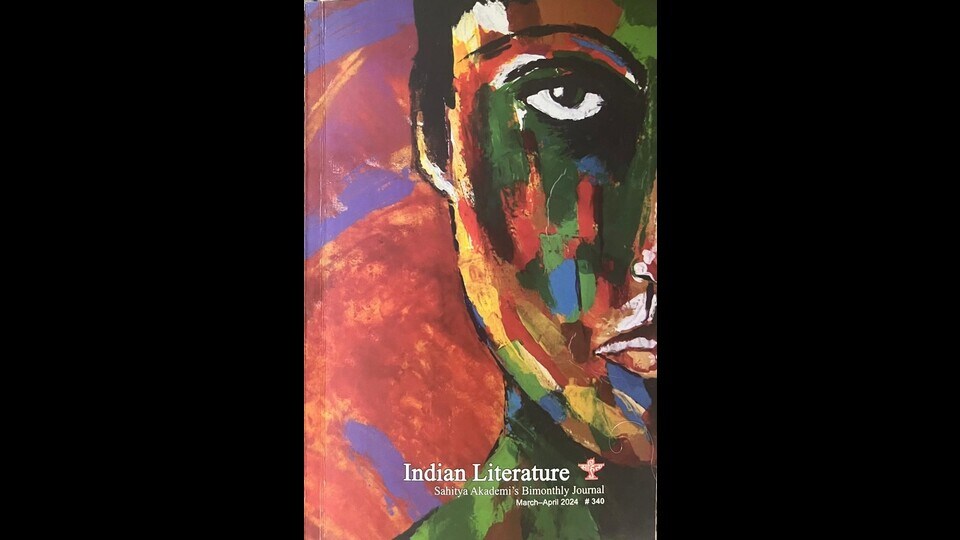
Divided into two sections, the issue includes excerpts from longer works, poetry, short fiction, essays and book reviews written in English and in the major regional languages of India including Manipuri, Tamil, Kannada, Hindi, Bengali, Malyalam and Marathi. Much of the work deals with the experience of being stigmatised with varied personal divulgences and snippets of conversations with trans writers reflecting an undertow of despair. Dissecting their trauma and sense of loss while also offering some hope, the issue shows that trans people first experience disappointment and alienation within their own homes. With time, as their freedom is curtailed, they confront increasing disrespect. Translated from Manipuri by Rubani Yumkhaibam, the prologue of Santa Khurai’s The Yellow Sparrow: Memoir of a Transgender reverberates with feelings of loss and alienation that begins at home. Its wailing mother tells The Yellow Sparrow:
You are different from the other sparrowsYour innocent body is spewing a host of Yellow feathers, increasingly, alarmingly.They will ostracise you from the rest of the flock You will live friendliness and lonely for the rest of your life. The yellow sparrow fell in loveWith his own molten loveliness
READ MORE: Indian sci-fi: Weird and WonderfulSuch is the general predicament that ossifies their anguish. However, resistance and hope also emerge in trans lives along with an illuminating sense of resilience. In their article, We Are Not Others: Reflections of A Transgender Activist, Kalki Subramaniam envisages a hopeful future: “2050 will begin the light years for the transgender community, there will be transgender people who will own massive corporations, will be influential leaders and politicians, will speed the world with charm and art, will lead in education, science, and research”. Clearly, these are not just stories of bruised individuals, they are also narratives of unalloyed courage and confidence.
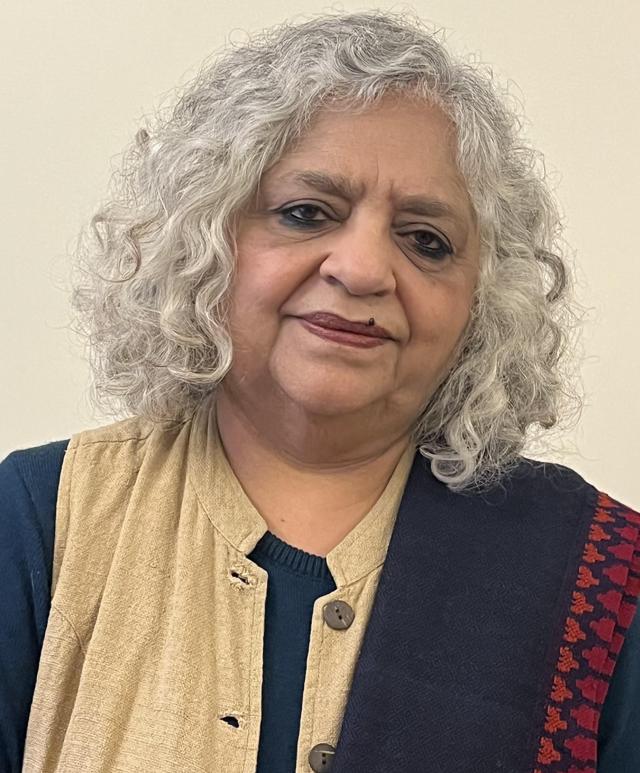
Some of the authors featured here are trailblazers attempting to broaden the path to freedom for other transgenders. Their personal explorations are imbued with joy.
The critical essays in this issue offer various strands of understanding of the intricacies surrounding the idea of the transgender. The shortcoming of language to express queer diversity is a concern dealt with in Language Disparity: A Threat to Queer Diversity. In another essay, Ghar Kab J(aoge): A Reading of Intergenerational Trauma Using Parallels from Transgender Partition, the author defines the idea of home in the context of gender identity. Such essays are likely to pique the interest of researchers of gender studies making this issue a significant contribution to the field. In sum, this volume of Indian Literature is an excellent collection of contemporary Indian transgender writing.
Mohd. Farhan teaches English at Jamia Millia Islamia.


