
 E-Paper



Polymorphism book review: These short stories aren’t just dystopic science fiction
Though Polymorphism is a slim volume, its short stories range over wide terrain

 Prefer HTon Google


In just 176 pages, Polymorphism disrupts. It’s the striking sound of a cricket on a silent night; it’s the whine of a dog in pain; it is an open gash on smooth skin. But perhaps more than any other metaphor, it’s the ticking of a clock that keeps you up at night. Even though you’re certain every tick will be followed by a tock, it leaves you unsettled like a feather caught wavering in the wind, a constant reminder of time you haven’t yet utilized and dreams you haven’t achieved.
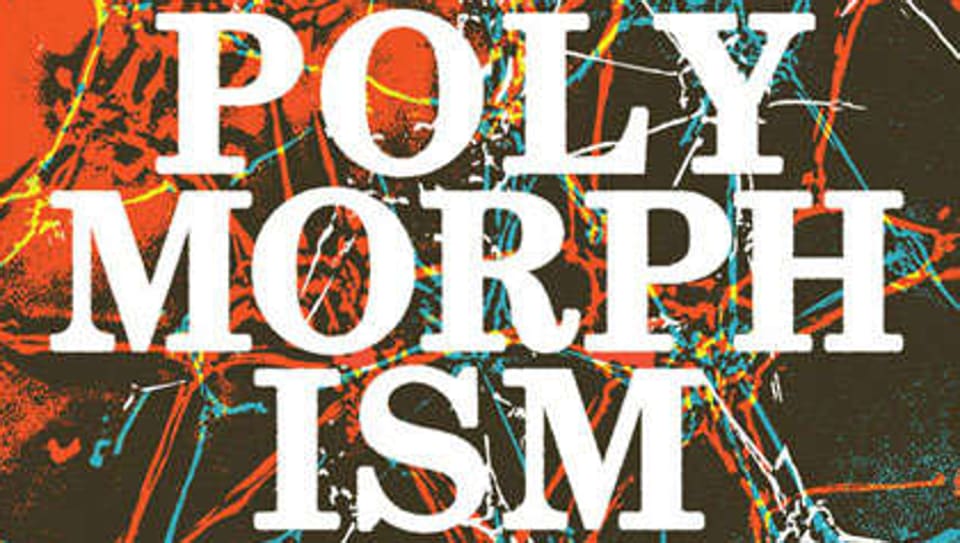
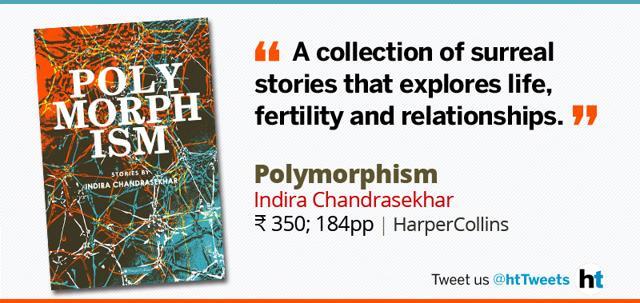
This series of short stories by Indira Chandrasekhar opens with the titular ‘Polymorphism’, diving into the mind of woman who is tethered by her familial ties but simply can’t halt the pleasure of transforming into a destructive creature. “Ma,” her son shouts to bring her back to sanity but the tempted narrator relinquishes control, becoming the nameless force that she is in her most primitive form. It’s the tug of war between the civilized and the savage, in many ways reminiscent of Frankenstein. Chandrasekhar seems to be posing the same question as Mary Shelley’s 1818 novel: Who really is the monster - the brutal world or the ugly beast?
Other stories meld science fiction into the emotions that define humanity. In ‘Intensive Care’, the author invokes Robin Cook’s medical thrillers with a tale of abuse by people empowered to save lives. It is alarming to hear yourself read in the soft voice of a child who detachedly chronicles the hospital nurses’ cruelty towards her ailing mother. Disturbingly, while reading the story, you recall that only a few months ago, a baby was mistakenly declared dead by a Delhi hospital. The narrative – this is one of the most moving stories in the book – becomes even more real when the all-seeing child notices the husband putting Sarasa (her mother) through sadistic torture in the minutest ways.
Many of these stories have delirious endings. In ‘Adoration’, for instance, the devoted fan of a movie star is startled to find the heroine of his dreams – aptly named Devipriya to authenticate the setting – made of fake silicon attachments and a body suit. Still, her sagging and wrinkled skin doesn’t dilute his ode to her eyes.

On a more sombre note, ‘The Insert’ is telling of a modern city and its robotic but life-like clones, and the urge to define a place called home. Relationships are merely parched remnants of forgotten affection. Houses are constructed or sucked (quite literally) into the land without any premonition. And fertility is the only value a woman has to offer. This alternate reality – that, if we’re honest, resonates and will continue to in every era of human existence -- seems to be a version of the Orwellian dystopia executed to near perfection in the Netflix series Black Mirror and in Margaret Atwood’s The Handmaid’s Tale.
Read more: 6 best short and scary stories
But despite some genuine pieces that befuddle, there’s incoherence in the order of these stories. Like their subjects, the characters aren’t fully rounded into individuals with recall value. Short stories are a tricky medium, especially since Twitter has, consciously or not, kicked off a competitive commentary on ‘who is the wittiest of them all?’ While Chandrasekhar’s stories don’t lack imagination, they fall short on expertise. The good news is, that can always be remedied.


