
 E-Paper



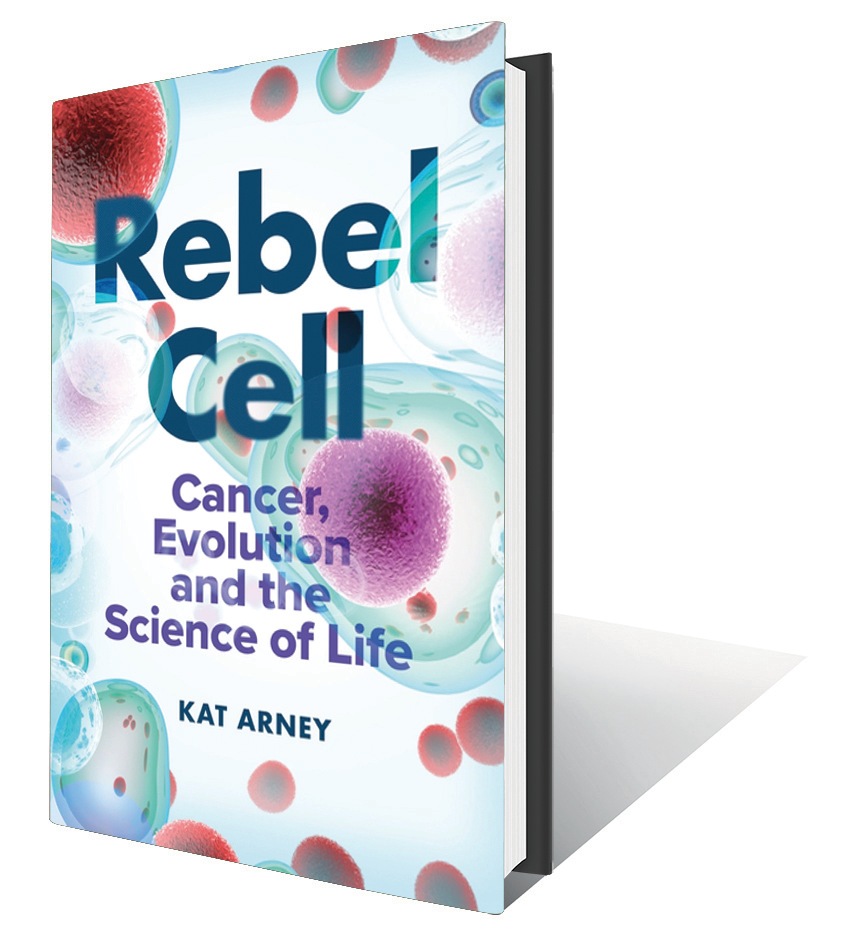
Review: Two books on cancer - Rebel Cell by Kat Arney and The First Cell by Azra Raza
The story of cancer is a story about treatment and mutation, hope and despair, life and death. While Arney argues that everything we know about the disease may be wrong, Raza, who lost her husband to cancer, laments the pharma industry’s dogged insistence on surgery, chemo, and radiation therapies

 Prefer HTon Google


Five decades since Anand hit the screen, cancer has become the emperor of all maladies with an estimated 18 million new cases diagnosed each year. A decade from now, the global burden is projected to grow to 21 million new cancer cases with no less than 13 million succumbing to it. Tragically, Anand’s inspiring tale of celebrating life amidst brutal certainty remains perhaps the only mantra for all those who may have to traverse their own journeys through the dreaded illness.
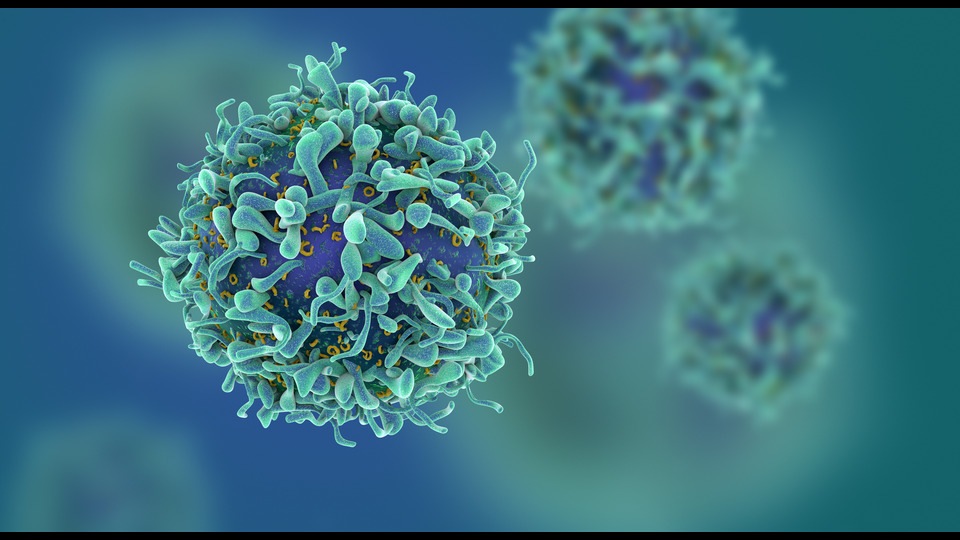
The subject matter is grim, as Rebel Cell unravels the evolutionary inevitability and The First Cell highlights our brutal stalemate with the Big C. Cancer has come to rule over the host with despotic autocracy, and the fatal aspect is that a patient with cancer is as likely to die of it today as she would have been 50 years ago. Unlike other human ailments, when it comes to cancer we are literally in a relationship with death. “We get cancer because we can’t avoid it,” writes award-winning science journalist Kat Arney, “because there is bug in the system of life itself.” Noted oncologist Azra Raza agrees that cancer isn’t anybody’s fault; it exists because multicellularity exists. The cancer cell is not a foreign invader but a double agent, hardwired into the fundamental processes of life to outsmart our existence. Literally, it is one cell that wants to live longer than the entire human body. Why is this so; and how can this be changed?
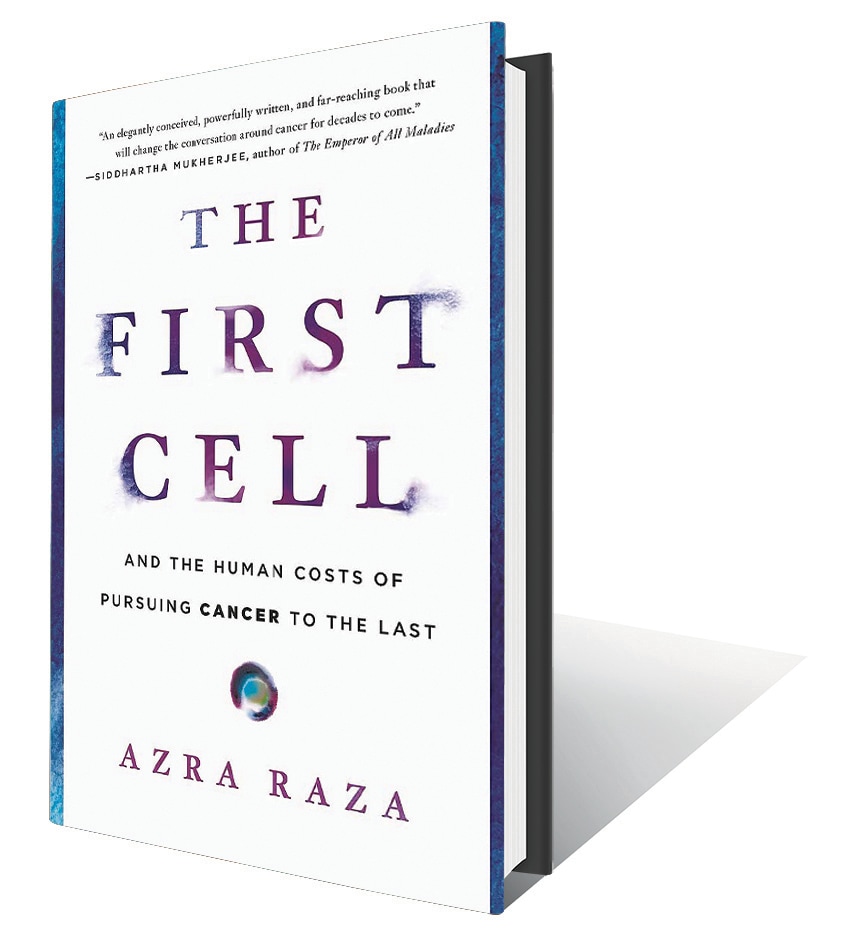
These two books ask the same question. There are no easy answers. The authors pack in an awful lot: there’s a heart-wrenching portrayal of the loss of loved ones, exquisitely detailed descriptions of failed prescriptions, and gloomy narratives on excruciating side effects that leave patients dangling between life and death. The story of cancer is a story about treatment and mutation, hope and despair, life and death. With cancer too often evolving its way out of trouble, Arney argues that everything we know about cancer may be wrong. Having lost her husband to cancer, Raza laments the pharma industry’s dogged insistence on slash, poison, and burn (surgery, chemo, and radiation therapies) as the magic strategies.
Rebel Cell offers insights on a new way of thinking about what cancer really is, where it came from, where it’s heading, and how we can stop it. Though mortality is ever-present, this is a book that investigates life in its messy glory. The First Cell takes a step further, by exploring cancer through medical, scientific, and cultural lenses. Told through the disoriented lives of those whom the treatment failed, the book questions the unshakable hubris of modern science which proclaims its ability to cure as complex a disease as cancer. The cancer landscape is much worse in reality. Only 5 per cent of successful drugs extend the lives of patients by a few months at the cost of millions of dollars. Die from the disease or die from the treatment, the choice is indeed limited.
With exquisite subtlety and insight, Raza navigates the twin poles of failed treatment and unfathomable grief with poetic resilience. As a clinical researcher, a treating oncologist and a cancer widow, Raza indicts the cancer industry and fellow oncologists for underreporting failure with treatment therapies. Why are both shying away from telling the stories of the majority who die? With failures outnumbering the success, cancer stories need no exaggeration to depict the drama of pain and gruelling decisions. Knowing well that every bit of criticism applies as much to her as it does to her colleagues, Raza minces no words to conclude that unless there is more research on identifying the earlier markers of the first cancer cells, the cancer paradigm will soon reach a grotesque, unrecognizable, and destabilized end point.
Science journal Nature considers The First Cell an incisive critique-cum-memoir. Indeed, it is. Written with empathy and anguish and including deeply personalized interactions with patients and families, this is a must-read treatise on a disease that every one of us has a fifty-fifty chance of getting. While there has been an improvement in cancer mortality due to early detection, there haven’t been significant advances in the treatment of metastatic cancers. A Columbia University professor of medicine and practising oncologist, Raza gives voice to our collective anxieties as a species as well as to our growing vulnerabilities. This is responsible writing at its best.
There is no denying that we need to be smarter to defeat such a wily foe. The traditional strategy of treating cancer has already reached its maximum potential, as every cancer evolves in unique ways. According to British advocacy group Dying for a Cure, “At the current rate of progress, it would take 1,778 years at least before we saw a 20-year survival improvement for all 200 types of known cancer.” It is imperative for cancer research to shift from studying animals to studying humans, and also to shift from chasing after the last cancer cell to developing the means to detect the first one.
The First Cell is no ordinary book of science and medicine. Written with the sensibilities of a poet (Raza’s first book was Ghalib: Epistemologies of Elegance) and a deep compassion for fellow beings, Raza questions the profiteering that has come to rule our lives by first flooding our environment with carcinogens and then making money from treating it. The world needs to escape this vicious cycle. Only prioritizing prevention and early detection can help us outsmart this dreaded enigma. The writing on the wall is clear.
Sudhirendar Sharma is an independent writer, researcher and academic.


