
 E-Paper



Six books to read about Venezuela
These books explain Venezuela’s slide to dictatorship. Readers will have to wait for accounts of the Delta Force raid that seized Mr Maduro on January 3rd.


 Prefer HTon Google


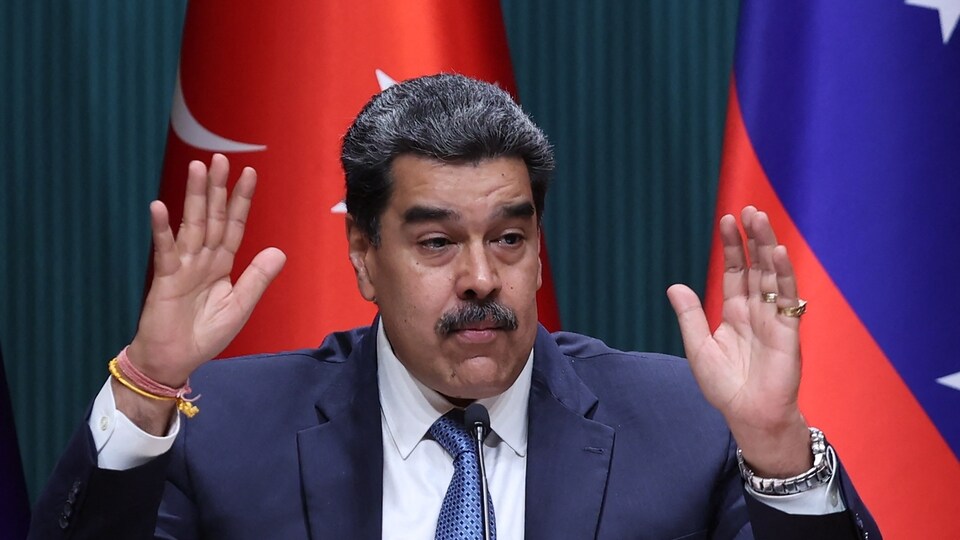
IT MAY BE hard to imagine today, but in the 1960s and 1970s Venezuela was hailed as a model democracy. Then the oil price crashed—and Venezuela’s democracy fell with it. Economic growth slowed and Hugo Chávez, an army officer (pictured above), exploited the discontent, staging a failed coup before being elected president in 1998. Charismatic, with the popular touch, he launched a nationalist and socialist revolution. After he died in 2013 his chosen successor, Nicolás Maduro (pictured below), inherited a rotting system and made it worse. His regime jailed, tortured and killed opponents. Its spectacular corruption and dotty economic policies led to empty shelves, power cuts and inflation that peaked at 130,000%. These books explain Venezuela’s slide to dictatorship. Readers will have to wait for accounts of the Delta Force raid that seized Mr Maduro on January 3rd.
Authoritarian Consolidation in Times of Crisis. Edited by John Polga-Hecimovich and Raul Sanchez Urribarri. Routledge; 344 pages; $190 and £145
Mr Maduro has inspired much less ink than his predecessor. This volume of essays looks at how he turned a “hybrid regime” which was losing public support into a full dictatorship. It thus brings the story nearly up to date. Another chapter will be added to that tale when María Corina Machado, the opposition leader who inspired the defeat of Mr Maduro in an election in 2024 and was awarded the Nobel peace prize, publishes “The Freedom Manifesto” next month.
Comandante. By Rory Carroll. Penguin; 336 pages; $24. Canongate; £10.99
A compelling portrait of Chávez the showman, rich in telling details, by the Guardian’s correspondent in Caracas for much of his rule. He highlights the importance of the president’s hours-long live television broadcasts—social media were then in their infancy—in forging an emotional bond with millions of poor Venezuelans, even as essential services were falling apart and the constitution was bent against the opposition.
Hugo Chávez and the Bolivarian Revolution. By Richard Gott. Verso; 380 pages; $39.95 and £23.99
The British author of this readable biography was an avowed sympathiser of Chávez, whom he interviewed, and of Cuba’s communist regime. The book is representative of the enthusiasm that Chávez aroused among paternalist observers safely ensconced in their democracies in Europe who were largely blind to the authoritarianism, corruption and mismanagement of his governments.
Paper Tigers and Minotaurs. By Moisés Naím. Carnegie Endowment for International Peace; 180 pages; $24.95
The author was a minister in the second government of Carlos Andrés Pérez, a social democrat, who on being elected in 1988 inherited a bankrupt country and was obliged to impose austerity. This triggered rioting—known as the caracazo—in which some 400 people were killed, mainly by the police. In this lucid monograph Mr Naím explains how a technically sound economic programme was vitiated by Pérez’s poor political salesmanship. The caracazo inspired Chavéz to prepare his coup attempt of 1992.
The Silence and the Scorpion. By Brian Nelson. Bold Type Books; 384 pages; $12.99
A crucial turning-point in the consolidation of Chávez’s rule was a popular uprising against him in 2002 which turned into what he would claim was an attempted coup. In this account of the events—described by The Economist’s reviewer as “superbly researched”—Mr Nelson shows that the army refused to repress the opposition, prompting Chávez’s brief resignation. He returned to power less than 72 hours later, after an opportunist conservative attempted to exploit the power vacuum.
The Unravelling of Representative Democracy in Venezuela. Edited by Jennifer McCoy and David Myers. Johns Hopkins University Press; 376 pages; $57.95
This volume of essays by American and Venezuelan experts analyses in detail why a seemingly solid democracy gave way to Chávez’s autocracy. Two failings stand out. First, although much money was assigned to social provision, corruption and patronage meant that public services were poor. Second, the armed forces were bought off with perks and privileges and left to run their own affairs.
For more on the latest books, films, TV shows, albums and controversies, sign up to Plot Twist, our weekly subscriber-only newsletter


