
 E-Paper



The shawl as a storytelling tool
The sight of beautifully embroidered mantons in Spain leads to an enquiry into a famous performance art, its connections to Indian dance forms, and to earlier waves of migration from India

 Prefer HTon Google


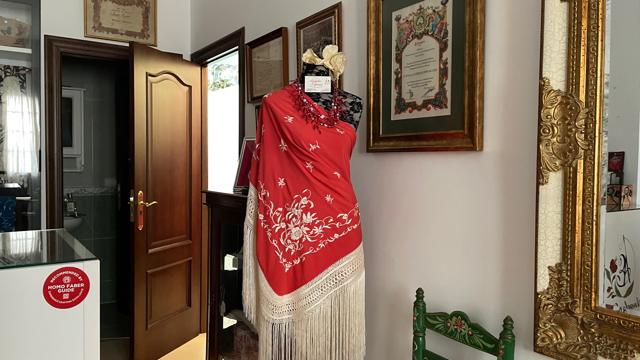
From picking a flamenco-themed room at Finca Kukutana, a country house in Doñana National Park to following the owners’ suggestion to explore Villamanrique de la Condesa, my Andalusian adventure unexpectedly unveiled an intriguing Indian-Spanish link. But before we get to that, let me tell you about the tradition of the mantón de Manila, preserved in this quaint town by designer Ángeles Espinar Díaz, who collaborates with renowned labels such as Christian Dior. A stroll down streets lined with whitewashed houses and gold-bordered historic buildings led me to Diaz’s atelier that is filled with exquisite silk shawls rooted in Filipino traditions and 19th-century Chinese embroidery. My guide, Trinidad Blanco, traced trade routes on a map, explaining how the mantón originated in Canton, China, and reached Spain through the Manila galleons that linked the Philippines with the Spanish empire in the 16th century.
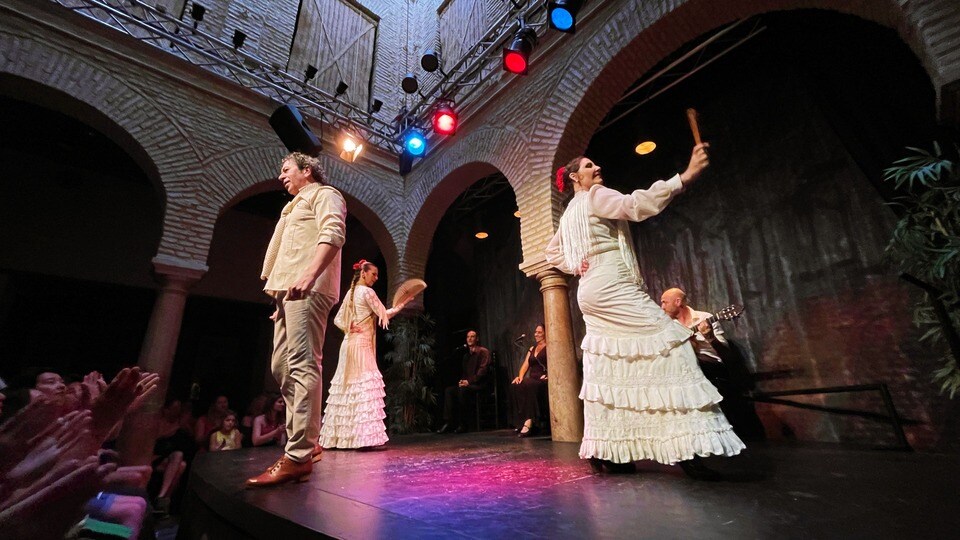
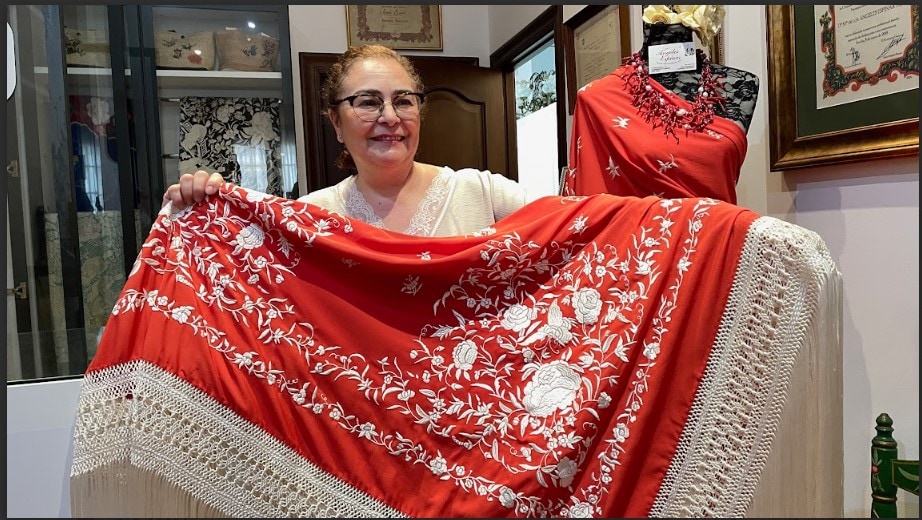
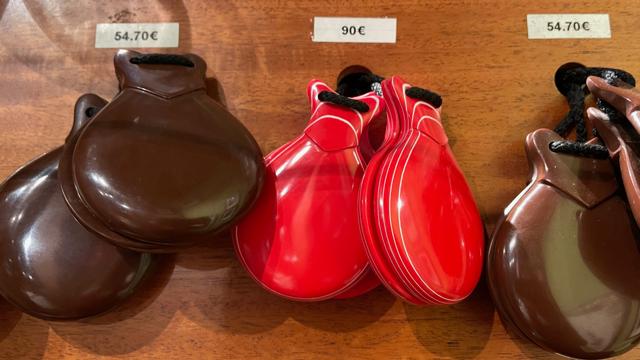
These shawls are more than just a dramatic prop; they are cultural icons, deeply intertwined with the passion for the flamenco, an art form that includes singing, dancing, clapping, the clacking of castanets and the strumming of the guitar. For Spanish women, a mantón is a symbol of heritage, pride, and identity. Ángeles and her team tenaciously apply multiple layers of embroidery on the fabric. Draped over the shoulders or wrapped around the body, it enhances a woman’s figure and transforms her movements. In the hands of a skilled dancer, the shawl becomes a powerful storytelling tool, emphasising the rhythm and intensity of her steps, creating a mesmerising choreography. Particularly in Andalusia, where flamenco was born, the shawl represents regional pride.
“To truly appreciate the mantón and its Asian origins, one must first understand flamenco’s roots. In the 15th century, Spain was a land in flux. As the Islamic era drew to a close, the region faced profound change. The Catholic monarchs, in their pursuit of dominance, reshaped the cultural landscape with sweeping reforms. The people, forced to renounce cherished traditions, abandon their native languages, and even forsake their faith, stood at the crossroads of history. It was against this backdrop that flamenco emerged, a resilient expression of identity, defiance, and survival,” says Díaz.
By the time Spain’s Islamic period was nearing its end in the 15th century, Jewish, Moors, enslaved Africans and the Romani or the gypsies – a term now considered pejorative – had all made the Iberian Peninsula their home. Many trace the origins of flamenco to a blend of these influences.
In Gipsies - Forgotten Children of India (1962), author Chaman Lal writes, “Most of you may have heard of the wandering gipsies of Europe and America but I wonder how many of you know that they are our own kith and kin. They are descended from the Aryan stock of Punjab, Sindh, Saurashtra, Rajputana and Malwa.” Dismissing the claim that the group came from Egypt, he states: “One and all they have Indian blood. They continue to use Indian words. In greeting me they said: “Tu main, ek rakt”, ie, ‘You and I have the same blood’.” Most scholars agree that the “gipsy” language of Romany is rooted in Sanskrit, he states.
It is here that we come to the mantón’s rather tenuous connection to India. The flamenco is generally traced back to the Roma migration from Rajasthan to Spain between the 9th and 14th centuries. These migrants introduced musical instruments like tambourines, bells, and wooden castanets, and had a diverse repertoire of songs and dances. In Spain, they encountered the resonant cultures of the Sephardic Jews and Moors. The centuries-long cultural fusion that followed ultimately gave rise to the unique art form now known as Flamenco.
The exact timeline of the Romani migration remains unclear. According to Martin Block’s Gypsies; Their Life and Customs (1939), the earliest record of the group dates back to a Georgian monk’s account from Mt Athos around the year 1100CE. However, it is generally believed that the group reached Spain nearly 50 years before the expulsion of the Jews from Spain in 1492, their distinctive music and dance resonated with the locals, and they came to be called the “gitano”. Lal notes that although cante gitano (original songs of flamenco) wasn’t directly brought from India, it reflects the group’s tendency to revert to their roots. He highlights the fundamental similarities between their music and dance and that of contemporary Indians, something that is evident even in something as simple as hand-clapping during performances. Legendary Spanish dancer Vicente Escudero who visited India around 1910 noticed the similarities between flamenco and Indian classical dance forms like Bharatanatyam and Kathak. In his book Mi Baile (My Dance)*, published in Barcelona in 1947, he pointed out the resemblance between the taal in Indian dance and the rhythmic footwork, hand clapping (palmas), and heel-tapping techniques in flamenco. In contemporary Spain, a new generation of flamenco singers are experimenting with various genres including pop, reggaeton, hip-hop and rock.
But whatever the mix, the beautifully embroidered mantón continues to be a part of flamenco performances and of Spanish culture.
Veidehi Gite is an independent journalist.


