
 E-Paper



Gourmet Secrets: For the love of the oyster

 Prefer HTon Google


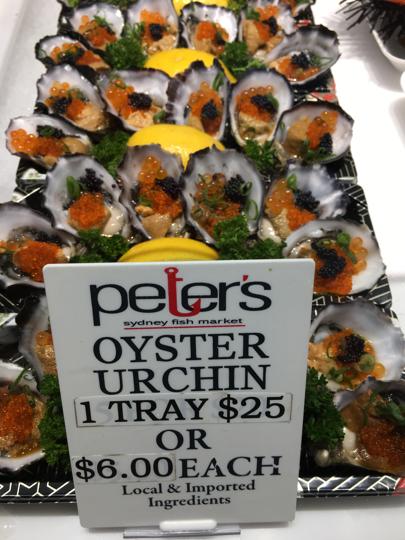
Did you know that this luxurious seafood didn’t always have its exalted status...
I love oysters – preferably raw with a squeeze of lemon and sometimes a dash of Tabasco. I also love them with a dressing of red wine vinegar and shallots. Whether you slurp them slide them down your throat or bite into a fried one, if you love seafood, you will love an oyster. I guarantee that. They should be slightly salty and smell and taste of the sea. If they taste “fishy”, they’re off. Throw them out at once!
You’ll find oysters almost anywhere there is sea, even in India off the coast of Kochi! However generally they thrive in cool temperatures and pristine clean sea waters. The French have made an art of eating oysters. Belon from Brittany and Fine de Claire from Marennes have been around for years but Gillardeau are considered the best - large, firm chewy oysters served in France’s top restaurants. The oysters are raised in Normandy or County Cork, Ireland for their first two years, then finished in the salt ponds of Marenne-Oleron in the south west of France. They are so prized that the Gillardeaus recently began laser-engraving their shells to prevent rampant worldwide counterfeiting.
Out of their shell
I have eaten marvellous wild oysters in Southern Ireland where there is even a yearly festival to celebrate them in Galway. During the three days of the festival, over 40,000 oysters are consumed. The festival is sponsored by Guinness. Contrary to the belief that only a dry white wine can accompany this creature of the sea (with the exception of champagne of course), the Irish actually eat their oysters with Guinness. I try but am not convinced about the pairing. However, while in that neck of the woods, I try local native oysters which are flat (Ostrea edulis) and are to the oyster world what Krug is to champagne – once you taste it, you’ll never drink anything else with as much pleasure.
I am reminded of the great British writer and epicure, Clement Freud who wrote in his very witty book Freud on Food…”I have no great faith in the advertised aphrodisiac qualities of certain foodstuffs, because given the right atmosphere you can become very passionate on sago pudding - just as you can remain frigid to a degree on a diet of peppercorns. In spite of this, it is sensible to remember that such foods as shellfish, ginger and oysters have a reputation on which all sorts of un-English behaviour can be blamed. For myself I think oysters are much overrated as a sexual stimulant. The last time I went to Wheeler’s and ordered half a dozen Whitstables only four of them worked.”
“Is there a typical first course for Christmas lunch or dinner? In Paris, the answer would be oui; oysters, smoked salmon or foie gras; and many French families will lash out on one or all three of these luxuries”, says British food writer and the person who coined the term in the 70s “foodie”, Paul Levy. ..”The same is true in Britain. After all, Scottish smoked salmon is certainly the best in the whole world and I would make the same claim for English native oysters if only they were more easily available”.
Reality check
According to Levy, the oyster didn’t always have its exalted status. In the southern states of the US, they are crumbed and deep fried and put into sandwiches (po’boy). And in Victorian England British grandmothers used to add oysters to steak and kidney pie not so much for their flavour, but to increase the bulk because they were so much cheaper than beef. This was borne out by Dickens in The Pickwick Papers when Sam Weller says “it’s a very remarkable circumstance sir, that poverty and oysters always seem to go together”
I have just returned from Down Under where I am almost ashamed to say, I ate rock oysters or ‘gigas’, small, plump, deliciously briny and metallic creatures and Pacific oysters from Tasmania, almost every day. One of the most marvellous ways they were served was in a restaurant called Polperro on the Mornington Peninsula, a weekend getaway from Melbourne where olive groves and vineyards thrive and therefore some exceedingly good food and wine.
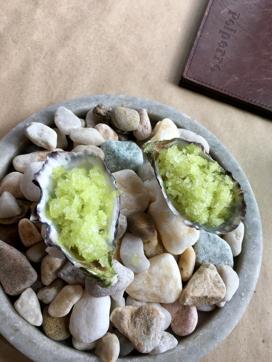
What began as a wine brand and long-life dream of owner/wine maker Sam Coverdale eventually came into full fruition four years ago when Polperro was born. With Sam attracted to the surf and the wine making opportunities on the Mornington Peninsula, he and his wife stumbled across a stunning 25-acre property surrounded by magnificent trees and six acres of vines with an existing restaurant on-site. It was the perfect location for them to develop the business they had always dreamt about featuring seasonal and local and supporting local businesses and growers. Their vineyards and gardens are sustainable, using biodynamic and organic principles. The Polperro Bistro offers a seasonal menu with as much as possible coming from their very own kitchen garden right next to the restaurant. The star dish for me was the oysters with wakame, ginger and mirin granita.
Seaweed Granita
Ingredients:
25g dried green seaweed (with crinkly fronds)
5g dried wakame (dried seaweed)
500ml rice wine vinegar
40g pink salt
750ml water
250g caster sugar
25ml ginger juice
50ml mirin
25ml soy
1 long red chilli, finely sliced
Oysters
Method:
In a sauce pan mix together the vinegar, salt, water, sugar ginger juice, mirin, soy and long red chilli and bring to the boil. Cool the mix. Put both the dry seaweeds in a large bowl and fill it with cold water, soak it for five minutes. Drain the seaweed and use your hands to squeeze out excess water. Wipe out any excess water in the bowl, and then return the seaweed along with the pickling juice, let it sit for two hours and then in a high-power blender blend on high speed for one minute.
Pass through a fine filter, pour into a flat tray and set in the freezer until frozen. Using a fork scrape granita into flaky crystals and serve on top of freshly shucked oysters.
(Culinary expert and explorer Karen Anand has been writing extensively on the subject of food and wine for 30 years. Apart from having her own brand of gourmet food products, she has anchored top rated TV shows, run a successful chain of food stores, founded the hugely successful Farmers Markets, and worked as restaurant consultant for international projects, among other things. Her latest passion is food tours, a totally curated experience which Karen herself accompanies, the first of which was to Italy.)
From HT Brunch, November 18, 2018
Follow us on twitter.com/HTBrunch
Connect with us on facebook.com/hindustantimesbrunch


