
 E-Paper



Union Budget 2021: Sitharaman projects fiscal deficit in 2021-22 at 6.8%
The figures show the damage to the economy caused by the coronavirus pandemic as the government revenues have dipped severely which has led to sharp rise in deficit and market borrowing.


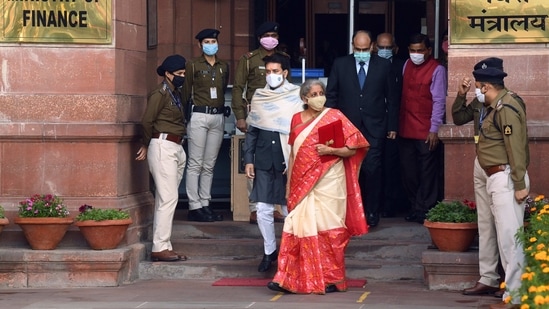
Finance minister Nirmala Sitharaman said on Monday that the fiscal deficit for FY21 has been pegged at 9.5 per cent of the GDP and will come down to 6.8 per cent in FY22. She added that the fiscal deficit will reach below 4.5 per cent by FY26 while presenting the Revised Estimates as per the Union Budget 2021.
This is sharply higher than 3.5 per cent of GDP that was projected in the Budget Estimates last year. The government plans to borrow another ₹80,000 crore to fund the deficit this year. Gross market borrowings for next year have been pegged at ₹12 lakh crore. Gross expenditure is seen at ₹34.5 lakh crore and the capital expenditure is expected to be ₹4.39 lakh crore in FY21.
The figures show the damage to the economy caused by the coronavirus pandemic as the government revenues have dipped severely which has led to sharp rise in deficit and market borrowing.
Fiscal deficit is the difference between total revenue and total expenditure of the government and it is an indication of the total borrowings that are needed by the government. The more the fiscal deficit, the more market borrowings the government needs, which means lower funds available for the private sector to borrow.
When the government runs a fiscal deficit, it borrows money to meet the difference by raising funds from the market through securities and treasury bills. Net borrowing is the amount borrowed during the fiscal year and gross borrowing includes net borrowing for the year and the repayment of past loans. This number is watched because it helps to understand the way the government plans to balance the fiscal deficit.


