
 E-Paper



Oil drops below $38 on surging Covid-19 and fraught US election
US crude futures dropped 2.2% Friday, but are still up around 6% for the week. Joe Biden appeared to be on the brink of claiming a victory in the presidential race, but he will probably have to deal with a split Congress.

 Prefer HTon Google


Oil fell below $38 a barrel amid a surging virus, dollar strength and a lack of clarity from the US election, but was still headed for a weekly gain on signs the OPEC+ alliance will delay easing production cuts.
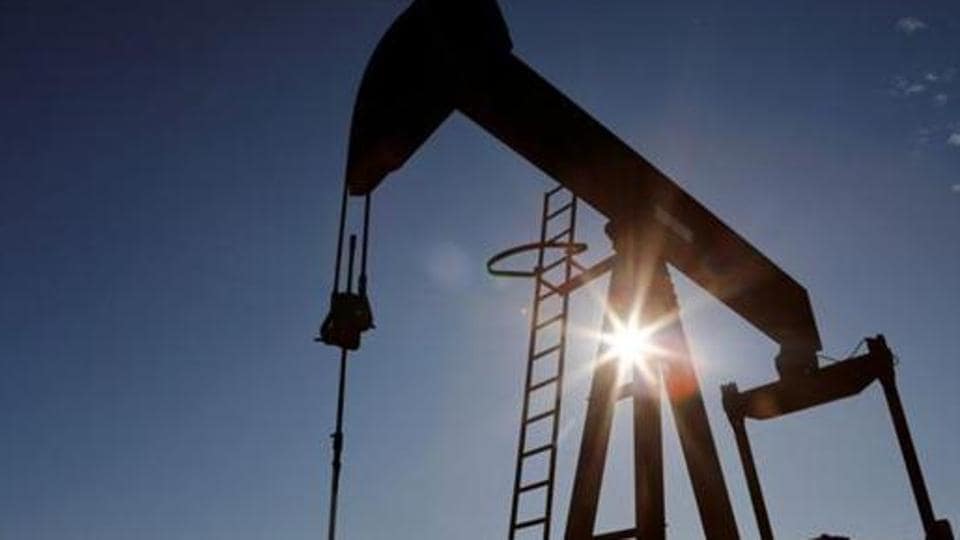
US crude futures dropped 2.2% Friday, but are still up around 6% for the week. Joe Biden appeared to be on the brink of claiming a victory in the presidential race, but he will probably have to deal with a split Congress. That will make it more difficult to pass a big anti-virus spending package or enact an agenda aimed at moving the US away from fossil fuels. Recounts and legal challenges may also lead to a prolonged period of uncertainty.
Saudi Arabia and Russia, the leading OPEC+ countries, are pressing other members to extend current supply cuts into next year, instead of the current plan to ease in January. That, along with a surprisingly large drop in American inventories, has underpinned the market this week. OPEC+ will decide on supply levels for next year at a meeting at the end of the month.
The demand outlook is looking increasingly grim, however, as virus cases surge. Greece became the latest European country to declare a national lockdown as road traffic falls across the continent, while there’s a risk of more restrictions in the US Saudi Arabia cut most of its oil pricing for Asia on Thursday, even as the region remains a relative demand bright spot.
“The market is firmly anticipating the US and Europe will go through more restrictive measures to deal with the virus,” said Ed Moya, a senior market analyst at Oanda Corp. “It’s going to be a difficult winter. Expectations are pretty high that we’re going to see lockdowns in the US”
Brent’s futures curve shows there’s still some nervousness about a supply glut, but it’s eased this week. The global crude benchmark’s three-month timespread was $1.11 a barrel in contango, where prompt prices are cheaper than later-dated ones, compared with $1.42 on Monday.
Despite the tepid demand backdrop, Libya is adding supply as its oil industry ramps back up following a truce in the country’s civil war. The North African nation expects to export at least 805,000 barrels a day in November.
Asia looks set to again act as a support for shaky oil markets. China will guarantee a minimum fuel price for its oil refineries in the face of weak global demand, after a similar move earlier this year helped drive a surge in the country’s crude buying. Germany’s usage of heating oil, meanwhile, is expected to rise ahead of a carbon levy on fuels that will be applied from the start of next year.


