
 E-Paper



₹2,000 currency note exchange window closes in 4 days: What if you miss the deadline?
The deadline for returning ₹2,000 currency notes is Monday; notes remain legal tender but some shops may refuse them.

 Prefer HTon Google


The deadline for returning ₹2,000 currency notes is on Monday. The Reserve Bank of India (RBI) issued a directive on May 19, removing ₹2,000 banknotes from circulation and advising the public to exchange or deposit them.
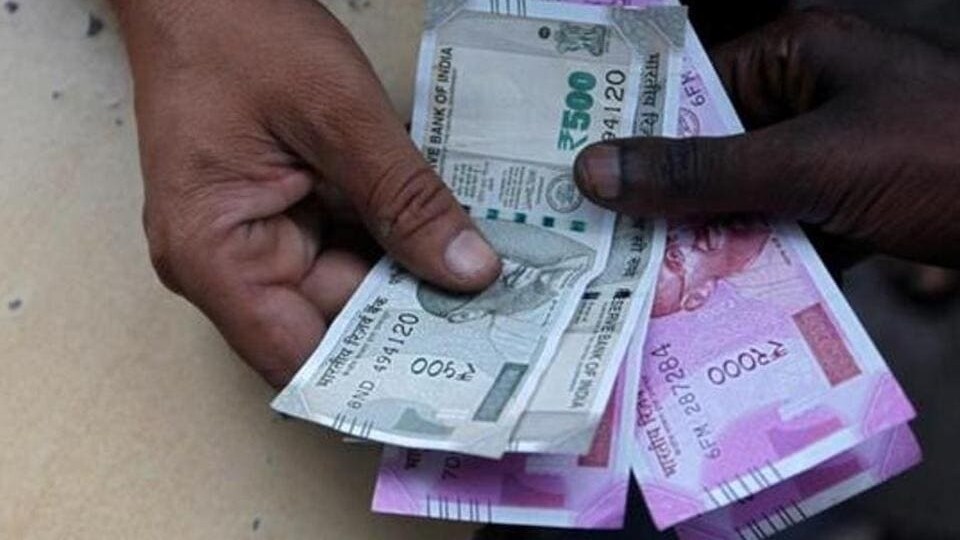
Can you use ₹2,000 notes after September 30 deadline?
Yes, ₹2,000 currency notes will remain legal tender even after September 30. According to the RBI's Frequently Asked Questions (FAQs), the public can continue to use ₹2,000 banknotes for regular transactions. Individuals can accept them as payment or use them for their own transactions without any restrictions.
However, it's advisable to deposit or exchange the high-denomination banknotes on or before September 30, as some shops may refuse to accept them. E-commerce giant Amazon has already stopped accepting ₹2,000 currency notes as cash.
How to exchange scrapped ₹2,000 notes
₹2,000 notes with a limit of amount ₹20,000 can be exchanged or deposited in banks and RBI facilities. When depositing the discontinued ₹2,000 notes in your bank accounts, you must follow Know Your Customer (KYC) norms and other statutory requirements.
Even if you don't have an account with the bank, you can avail of the exchange facility for ₹2,000 banknotes at any bank branch.
Additionally, business correspondents (BC), or bank agents who provide services to customers at locations other than a bank branch/ATM, can be utilised for the exchange of ₹2000 banknotes up to ₹4000/- per day.
93% of ₹2,000 notes returned to banks
As of August 31, 2023, the RBI reported that 93% of ₹2,000 currency notes in circulation on May 19 have been returned to banks. The total value of ₹2,000 banknotes returned from circulation is ₹3.32 lakh crore.
Consequently, as of August 31, ₹2,000 banknotes in circulation stood at ₹.24 lakh crore.
Why did RBI withdraw ₹2,000 notes?
"The ₹2000 denomination banknotes were introduced on November 10, 2016, under Section 24(1) of the Reserve Bank of India (RBI) Act, 1934, to expeditiously meet the currency requirement of the economy post-withdrawal of the legal tender status of all ₹500 and ₹1000 banknotes in circulation at that time," MoS Pankaj Chaudhary said in his in a written reply to the Rajya Sabha in July.
Chaudhary further stated in his written reply that the stock of banknotes in other denominations continues to be adequate to meet the currency requirement of the public. In view of the above and in pursuance of RBI’s “Clean Note Policy”, it was decided by RBI to withdraw the ₹2000 denomination banknotes from circulation.


