E-Paper



‘Diversify, Don’t Retaliate’: The Raghuram Rajan Playbook To Counter US Tariffs On India
Raghuram Rajan’s warning on impact of US tariffs on India is not just about today’s trade shock but preparing for a world where geopolitics shapes markets.

 Prefer HTon Google


India’s best response to US tariffs would be to derisk its exports from its largest trading partner, Raghuram Rajan said, because “we cannot remain vulnerable to the whims of others”.
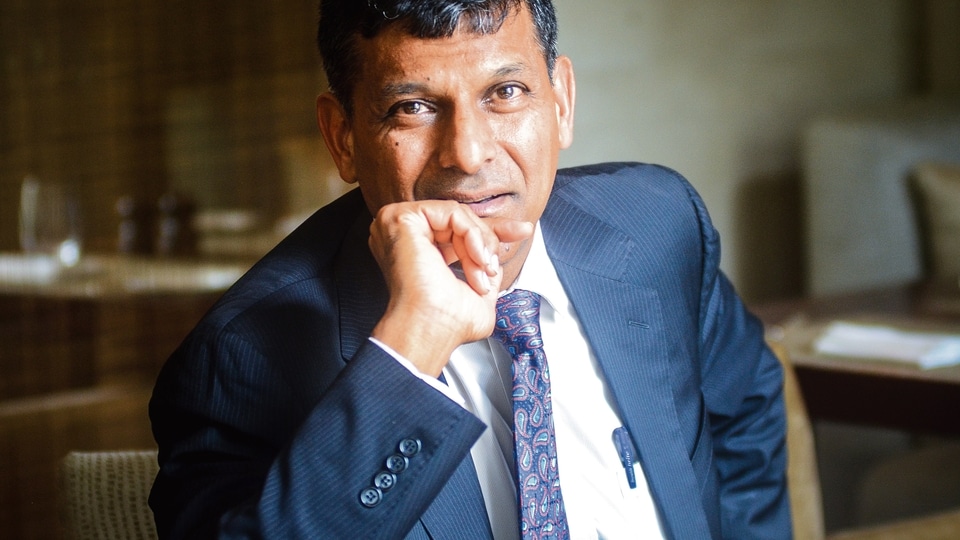
The 50% US tariffs on Indian goods is “unfortunate” and “deeply distressing”, the former RBI governor told India Today during an interview on 27 August, warning that they were a serious blow to India-US relations.
“It is certainly very very harmful for small Indian exporters—lots of workers will be sort of hurt by this. Their livelihoods will be in jeopardy,” Rajan said. “This is an event which should not have happened. Unfortunately it has.”
He also cautioned that trade is now being used as a weapon, and that India should treat this as a wake-up call: “Let us look east. Let us look to Europe. Let us look to Africa. We shouldn’t put all our eggs in one basket.”
Rajan’s Prescription: Diversify, Don’t Retaliate
According to the former IMF chief economist, the idea is not to respond with counter-tariffs, which could escalate tensions, but strengthen long-term resilience.
- Diversify export markets: Reduce over-dependence on the US by expanding into Europe, East Asia, Africa and Latin America. “We should look beyond one partner,” Rajan said.
- Integrate into global supply chains: India lags in trade openness compared to peers like Vietnam. Rajan urged reforms in logistics, tariffs, and compliance so India can become indispensable to global value chains.
- Climb the value chain: Move away from raw commodity exports (shrimp, cotton) towards value-added products like processed foods, technical textiles and specialty chemicals.
- Invest in competitiveness: Stronger infrastructure, faster clearances, and productivity gains will make Indian exports resilient even under higher tariff regimes.
- Strategic patience: India shouldn’t overreact. Instead, use this as an opportunity to double down on reforms and build long-term trade partnerships.
To be sure, New Delhi has so far taken a cautious line, saying that any US trade deal must respect India’s red lines. Officials with India’s commerce ministry have indicated that while negotiations are open, India will not compromise on sensitive areas like agriculture, dairy and date sovereignty.
At the same time, India is pushing for a free trade agreement with the European Union to open a new export channel for textiles, engineering goods and IT services. The UAE Comprehensive Economic Partnership Agreement is already in place to tap into the Middle East. Additionally, India is in talks with Japan and ASEAN countries for supply-chain agreements in electronics and EV components.
ALSO READ | Raghuram Rajan wants Russia-fuelled refiners to offset India’s US tariff hit
Why Rajan’s Tariff Playbook Matters
Rajan wants India to play the long game in economic policy—tariffs are only about today’s trade shock, but also about India preparing for a world where geopolitics shapes markets.
“This is not the time to be complacent,” he told India Today. “We need to strengthen our competitiveness and broaden our partnerships. Otherwise, we will remain vulnerable to the whims of others.”
Sure, the US tariffs may sting now but if India responds by diversifying trade, climbing the value chain, and reinforcing competitiveness, it could emerge stronger. The tariff shock, as Rajan said, is not just a blow but a wake-up call.