
 E-Paper



Govt to double onion stockpiles to stem price spirals
The Union Budget 2021-22 has allocated ₹2,700 crore, up 38%, for the government’s price stabilisation fund, which is used to intervene in markets by supplying stored onion and pulses from state-held stocks when prices of essential commodities go up


The Centre plans to double its onion buffer stock, or stockpiles built by the government, to 200,000 tonnes, eyeing a bigger winter crop and aiming to stave off price spirals during seasonal shortages, such as the one during summer last year.
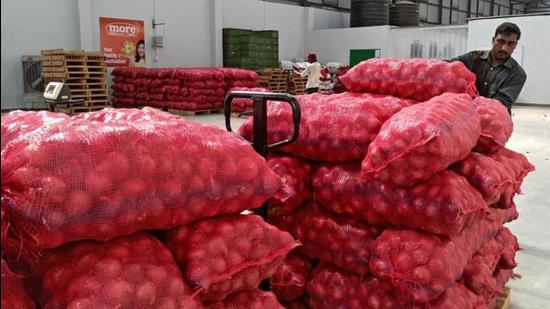
The Union Budget 2021-22 has allocated ₹2,700 crore, up 38%, for the government’s price stabilisation fund, which is used to intervene in markets by supplying stored onion and pulses from state-held stocks when prices of essential commodities go up.
“In 2019-20, the government bought around 57,000 tonnes. That went up to 100,000 tonne in 2020-21. In the next fiscal, we will buy 200,000 tonnes to prevent price rise,” consumer affairs secretary Leena Nandan said on Monday.
Since onions are a common base ingredient of most Indian dishes and therefore widely consumed, consumers behaviourally are quite sensitive to a rise in onion prices, relative to many other commodities.
Market watchers, however, point to a familiar pattern in India’s onion-price spirals. Retail rates soar every alternate year or so especially during the lean monsoon months when stocks from stored onions dwindle and fresh harvests are still to reach markets. It is not uncommon for prices to crash either.
Last year, the government banned the export of onions as prices crossed the psychological ₹100 to a kg mark after extreme weather destroyed crops and harvests.
“There are three onion crops in a year. We can only store onions from the rabi [winter] crop. For this, we need investments in storage facilities and warehouses. That was the intent behind the amendment to the Essential Commodities Act,” the top bureaucrat told HT.
Onion trade in the country suffers from classic price volatility, a term used for regular patterns of wild swings in prices. It is caused mainly because of supply-disrupting factors like extreme weather, high losses from inadequate or improper storage, or frequent shifting of production levels.
The consumer affairs secretary also said her ministry had undertaken a major campaign throughout the country to publicise rules under the amended Consumer Protection Act, especially to rural consumers by utilising Panchayati raj institutions, Krishi Vigyan Kendras, post offices and common service centres, including e-filing of consumer complaints.


