
 E-Paper



Low customs duty, iron ore costs may melt steel prices
Domestic prices of hot-rolled (HR) coil, a flat steel product that is further processed and used in transport, construction, shipbuilding and capital goods surged 54% from a year ago in the December quarter amid a robust recovery in domestic demand and mirroring higher global steel prices.


Steel prices are expected to fall by as much as 10% from their January highs over the next few months, industry analysts said, retreating from a runaway rise that led end-consumers to seek government intervention.
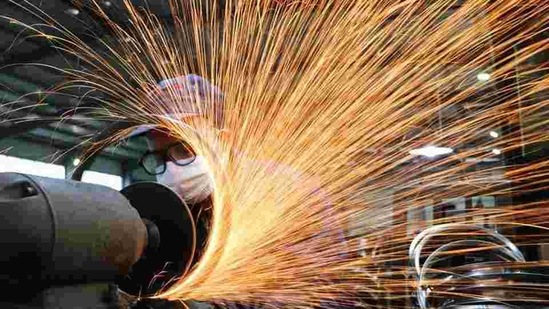
Softening of inputs costs, especially of iron ore, and increased competition from cheaper imports with India cutting customs duty on steel will likely drive down steel prices.
Domestic prices of hot-rolled (HR) coil, a flat steel product that is further processed and used in transport, construction, shipbuilding and capital goods surged 54% from a year ago in the December quarter amid a robust recovery in domestic demand and mirroring higher global steel prices.
Prices of HR coil climbed to ₹58,000 a tonne this January from ₹36,250 a tonne last June, prompting an outcry from the associations of builders and construction firms and even Union minister Nitin Gadkari.
In the budget, finance minister Nirmala Sitharaman announced a reduction in customs duty on flat steel products to 7.5% from 12.5%, and on long products to 7.5% from 10% earlier, making imports cheaper.
With HR coil prices currently settling below ₹56,000 a tonne, analysts at credit rating firm Icra predict a 10% decline in domestic prices from the highs of January as the duty cut would make imports more competitive and, in turn, exert near-term pricing pressures on domestic steelmakers. “The reduction in duties will not affect imports from countries like South Korea and Japan, with which India has a free trade agreement (FTA),” said Jayanta Roy, senior vice-president and group head, corporate sector ratings, Icra. “However, imports from China and other non-FTA countries will become more cost-competitive.”
“Chinese export HRC prices have seen a 10% drop in January on lower domestic demand. Considering the lead time of about two months for imports to arrive, domestic HRC prices could correct by up to 10% by end-March to align with global prices and stay competitive in the domestic market,” Roy said.
Another factor contributing to lower HR coil prices is the cost of iron ore, a key input in steel production. State-run miner NMDC Ltd cut iron ore prices by ₹600 per tonne or about 10–12% in January, the first price cut in nine months, according to a report by brokerage Motilal Oswal.
Merchant mines are expected to take the cue from NMDC and cut prices. Lower input costs will take the pressure off domestic steel mills, allowing room for further lowering of HR coil prices. About 1.6 tonnes of iron ore is used to produce 1 tonne of steel.
Meanwhile, domestic demand for steel may stay robust in the near term and is set to receive a boost from the government’s promised thrust on infrastructure next fiscal, which has received a 26% higher capital outlay.
India’s steel imports are already rising. They rose 9% from a year ago in January to 520 kilotonnes (kt) while exports fell 16% to 580 kt in the same period. Month on month, steel imports rose 2% in December and may keep rising once the cut in customs duties take effect. “Budget’s focus on infrastructure, road development and affordable housing will boost demand for steel,” said Pankaj Malhan, CEO and whole-time director- ESL Steel Ltd. “The standardization of customs duty at 7.5% on semi, flat and long products of non-alloy, alloy, and stainless steel will bring down prices of steel products.”


