
 E-Paper



‘Can say very clearly that…’: RBI governor Das on withdrawal of ₹2000 notes
On May 19, the Reserve Bank of India announced the withdrawal from circulation of the note, though it stays a legal tender.

 Prefer HTon Google


The withdrawal of the ₹2000 currency note, announced last month by the Reserve Bank of India (RBI), will not have any negative impact on the economy, RBI governor Shaktikanta Das stressed on Monday.
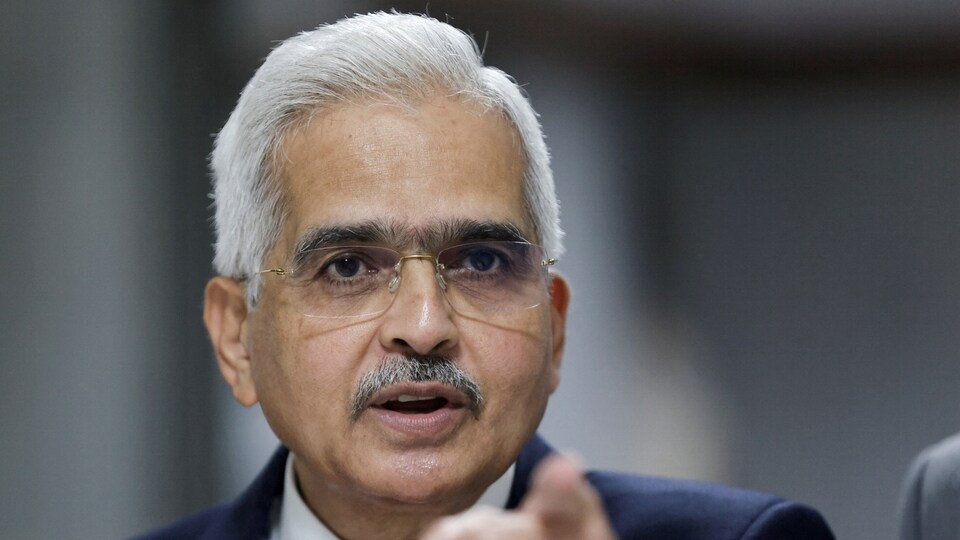
“I can tell you very clearly that the ₹2000 currency note, that is being withdrawn from circulation, will not have any negative impact on the economy,” Das told PTI in an exclusive interview.
The RBI governor, however, pointed to challenges such as ‘uncertainties’ that the Indian economy must deal with.
Also Read | Will strive to get inflation down to 4%; El Nino a challenge for food inflation: RBI Governor Shaktikanta Das
“There are two or three challenges. The first is international uncertainty, the second is the El Nino forecast, and others are mainly weather-related events,” he remarked.
Also, the central bank has taken several measures, including raising policy rates in a ‘calibrated’ manner, and brought inflation down to less than 5%, the ex-bureaucrat further stated.
Withdrawal of ₹2,000 denomination notes
On May 19, the RBI announced the withdrawal of the ₹2000 denomination notes, doing so as part of its currency management. The notes, however, continue to be legal tender, and people can exchange or deposit these at their nearest bank branch, with the deadline to do so being September 30. Additionally, a maximum of ten such notes can be exchanged or deposited in one go. There is however, no limit on the number of times these can be exchanged/deposited.
The ₹2000 denomination notes were introduced shortly after the demonetisation of November 8, 2016. The withdrawal, therefore, was described by the media as ‘mini-demonetisation.’


