
 E-Paper



US inflation on expected lines keeps Fed on track for a rate cut
Here are five key takeaways from US inflation data that the US Federal Reserve will watch out for before deciding on an interest rate cut next week.

 Prefer HTon Google


US inflation rose as expected in August, keeping the Federal Reserve on track to cut interest rates next week.
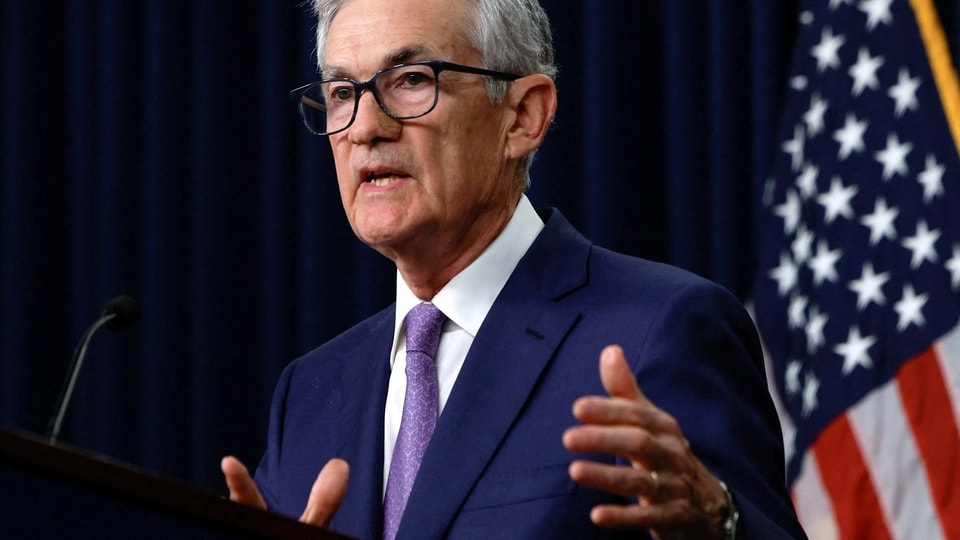
The core consumer price index, excluding food and energy, increased 0.3% from July, according to Bureau of Labor Statistics data out on Thursday. When incorporating those components, the overall CPI rose 0.4%, the most since the start of the year.
Goods prices, excluding food and energy, accelerated 0.3%, matching the biggest climb since May 2023. That reflected increases in new and used cars, apparel and appliances. Within services, airfares surged the most in over three years. Several household expenses also picked up, including groceries, gasoline, electricity and car repairs.
The report suggests inflation continues to linger. President Donald Trump’s global tariffs are impacting prices of some goods, while ongoing increases in services costs may present a more persistent pressure to overall inflation.
Even so, Fed officials are widely expected to cut interest rates for the first time this year at their meeting next week after a series of weak employment data. But firm inflation, if sustained, may complicate the path for additional reductions at subsequent meetings.
Here are five key takeaways from US inflation data:
- Initial applications for US unemployment benefits jumped last week to the highest level in almost four years. Weekly filings can be volatile around holidays, and the week’s figures included Labor Day.
- The S&P 500 opened higher and US Treasuries rallied. Policymakers will see the latest data on consumer sentiment and retail sales before their 16-17 September meeting. Traders expect the Fed to also cut rates two more times this year after that.
- One of the key drivers of inflation in recent years has been housing costs— the largest category within services. Shelter prices picked up 0.4%, the most since the start of the year and reflecting advances in both rents and the largest jump in hotel stays since November.
- Another services gauge, which strips out housing and energy costs, stepped down somewhat, helped by declines in medical care, recreation and car rentals. While central bankers have stressed the importance of looking at such a metric when assessing the overall inflation trajectory, they compute it based on a separate index.
- That measure—known as the personal consumption expenditures price index—doesn’t put as much weight on shelter as the CPI. The PCE draws from the CPI as well as another release on producer prices, which showed categories that feed into the PCE were mixed.
“The CPI suggests the Fed’s concerns about a weakening economy may be overdone, as inflation in airfares and hotels doesn’t typically accelerate in a floundering economy,” Bloomberg economists Anna Wong and Chris G. Collins said in a note. “We see inflation prints marching higher in coming months—especially if the Fed proceeds with a series of rate cuts.”


