
 E-Paper



Water crisis creates risk to India’s credit strength: Moody’s report
Strong economic growth, coupled with rapid industrialization and urbanization, are reducing the availability of water in India.


India’s growing water stress poses a threat to its sovereign credit strength and can erode the economy’s ability to withstand shocks, according to Moody’s Ratings.
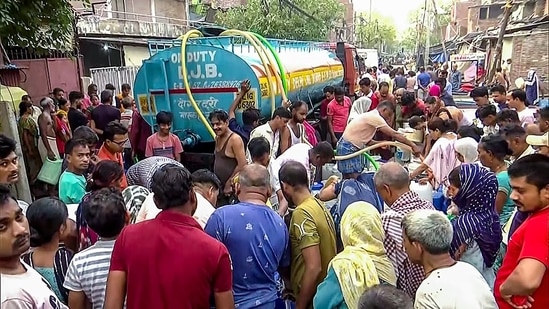
Strong economic growth, coupled with rapid industrialization and urbanization, are reducing the availability of water in the world’s most populous country, Moody’s analysts wrote in a report published Tuesday.
What does India's water crisis lead to?
This is detrimental to sovereign credit health, as well as sectors that are heavy users of water, such as coal power generators and steelmakers, they wrote.
Also Read: Cause and Effect | How Cape Town averted ‘Day Zero’: A lesson for Delhi
Water supply decreases can also disrupt agricultural production and industrial operations, resulting in food inflation and lesser income, potentially leading to social unrest, the report read. "This in turn can exacerbate volatility in India's growth and undermine the economy’s ability to withstand shocks."
Who will be most affected bythe water crisis?
Extreme weather events such as frequent droughts and prolonged heat waves, exacerbated by climate change, are worsening the country’s water crisis, with major cities, such as New Delhi and Bengaluru grappling every year with severe shortages, Bloomberg wrote.
“India is one of the sovereigns that are the most vulnerable to risks associated with water management,” according to the report. India's industrial sector contributed 25.7% to GDP in 2022, lower than the G-20 emerging market median of 32%, the Economic Times wrote, citing the World Bank.
Also Read: Roof of Ram Temple in Ayodhya leaks during rainfall, chief priest urges attention
Additionally, "urban residents accounted for only 36% of the total population in 2022, a figure expected to rise considering the G-20 emerging market median of 76%." Competition for water resources will heighten among businesses and residents, according to the report.
The government of Prime Minister Narendra Modi is making efforts to improve water infrastructure and pushing for the development of renewable energy, while companies are looking at ways to use water more efficiently, according to Bloomberg.
Also Read: Delhi ministers write to PM on water shortage, ask LG to inspect supply


