E-Paper



Private electric cars may soon run as shared taxis in Delhi
Delhi govt plans to allow private electric vehicles to operate as shared taxis, with cab aggregators preparing to roll out shared and women-driven rides soon.

 Prefer HTon Google


The Delhi government is preparing to open the door for privately owned electric vehicles to be used as shared taxis, a move that could significantly expand the city’s app-based mobility ecosystem and push EV adoption at the same time.
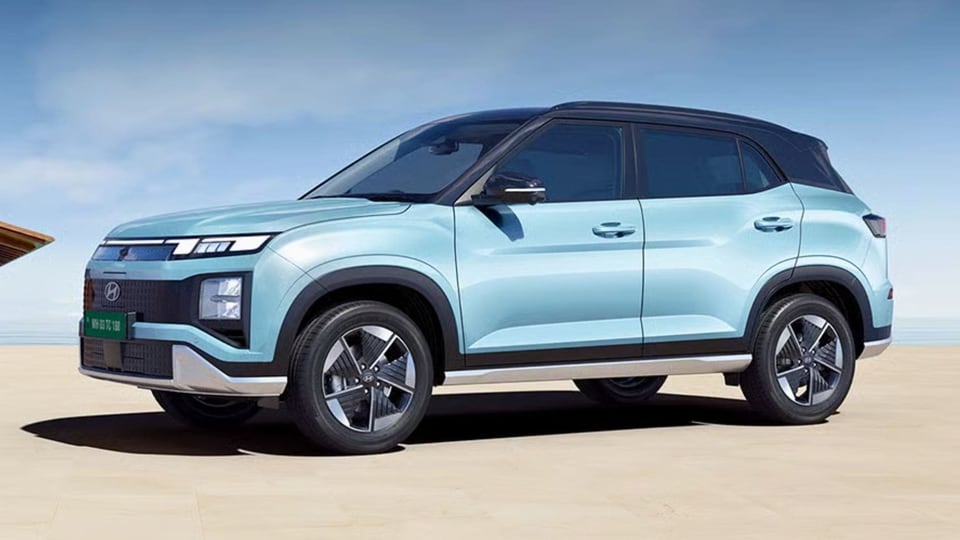
Private EVs set to enter shared taxi space
According to PTI, the proposal was discussed at a meeting chaired by Delhi Chief Minister Rekha Gupta with major cab aggregators and vehicle manufacturers. Companies including Ola, Uber and Rapido indicated that they are ready to roll out shared taxi services in the capital within the next month.
As part of the plan, aggregators also said they intend to introduce shared rides operated by women drivers, positioning the initiative as both a mobility and safety-focused expansion. The companies told the government that they are willing to onboard privately owned electric vehicles, along with BS-VI compliant vehicles, onto their platforms. However, they flagged that existing regulations would need to be amended to allow private EVs to legally operate as taxis.
Gupta assured the companies that the government is open, in principle, to making the necessary rule changes in the coming days, while underlining that passenger safety standards must be strictly enforced. Officials said the aggregators agreed to comply with safety requirements as a precondition for the rollout.
(Also Read: GRAP III restrictions lifted: Can I now drive my BS4 diesel vehicle in Delhi-NCR?)
Focus on shared mobility and congestion reduction
The chief minister also suggested that companies explore shuttle-style services on high-traffic corridors such as the Ring Road, as well as airport-linked routes, to reduce congestion caused by single-occupant vehicles. Integrating e-rickshaws into aggregator platforms was another idea discussed as part of a broader shared mobility push.
The meeting, attended by representatives from automakers including Tata Motors, Mahindra, Maruti Suzuki, Toyota and Honda, focused on reducing the number of private vehicles on Delhi’s roads. Gupta stressed that curbing transport-related pollution would not be possible without a shift toward shared and electric mobility.
Vehicle manufacturers highlighted the need for stronger charging infrastructure and a more people-centric EV policy to support large-scale deployment. In response, the government said it is willing to facilitate land for charging stations, while asking companies to explore renewable energy options and ensure proper battery waste management.
The government has asked companies to submit timelines for meeting demand across the city, signaling that the shared electric taxi model could soon move from proposal to pilot phase.