
 E-Paper



Chandigarh goes slow on Covid-19 testing even as cases reported from new areas
As per data, when more people were being tested, the positivity rate decreased from 7% to 6%.

 Prefer HTon Google


In the last two weeks, the UT health department has gone slow on testing even though the curbs on movement have been removed and fresh cases are being reported from erstwhile uninfected areas, including congested villages.
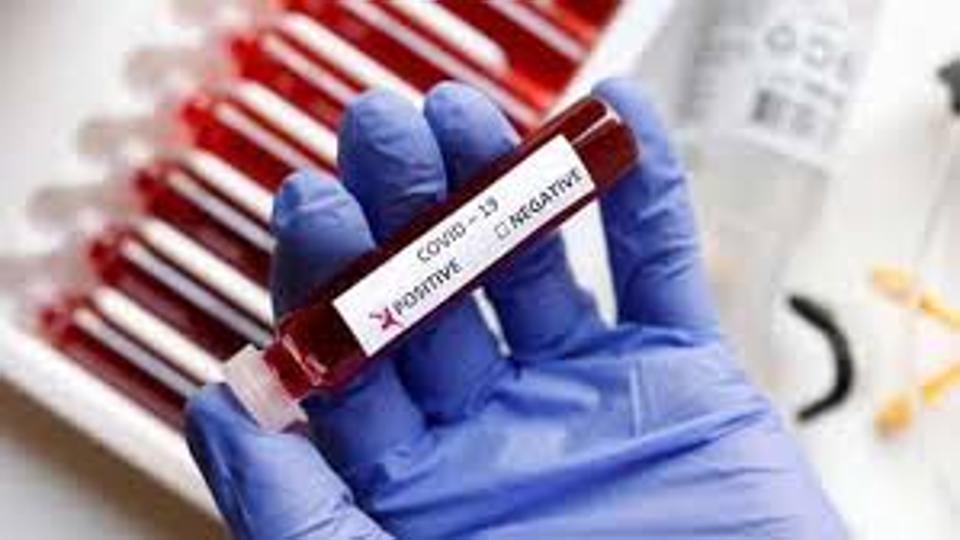
UT has tested just 1,448 people in the last 17 days since June 1. Comparatively, 2,279 samples were tested in the 17 days prior to that, which means that from May 15 to 31, the average number of tests conducted daily were 134. The figure has now fallen to 85 per day for the month of June so far.
As per data, when more people were being tested, the positivity rate decreased from 7% to 6%. The positivity rate tells us how many tests were done in a day, divided by how many people tested positive that day. After May 31, however, the positivity rate has been constant at 6%.
MORE TESTS, MORE CASES IDENTIFIED
In the month of May, UT conducted 58% of the total tests conducted since the outbreak. As a result, in May alone, 55.7% of the total positive cases came to the fore, further corroborating the fact that the more the number of tests are conducted, the more the number of cases are identified.
Chandigarh is also faring low on tests per million population as compared to the neighbouring states. For every 1 million people in Chandigarh, 5,187 people were tested, the lowest among the states of Punjab, Haryana and Himachal Pradesh.
Punjab has conducted 6,638 tests per million population, Haryana, 6,746, and Himachal Pradesh has 7,686 tests per million.
UT health secretary Arun Gupta said testing was being carried out as per the guidelines of Indian Council of Medical Research. “A reason for lesser testing in the first two weeks of June could be due to less number of people qualifying for the [testing] criteria. Also, the doctors use their discretion on a case-to-case basis.”
Meanwhile, fresh cases have been reported from new areas like Khuda Ali Sher, Khudda Jassu and Khudda Lahora and Daria village in Chandigarh. “This calls for stricter measures including testing of high-risk and low-risk contacts. More efficient contact tracing is also required,” said a senior epidemiologist from the Post Graduate Institute of Medical Education and Research.


